
New York, June 2, 2026, 16:02 EDT
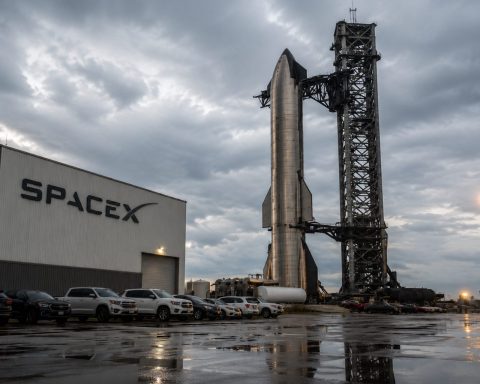
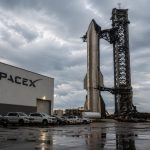
SpaceX is targeting a $1.75 trillion valuation as it prepares for what could become the biggest IPO on record—fueling speculation on Wall Street that Elon Musk might eventually merge the rocket maker with Tesla to form a space-and-AI powerhouse. The company is aiming to pull in at least $75 billion through an all-primary offering, so all proceeds would go directly to SpaceX. A greenshoe option, which allows underwriters to sell additional shares if demand surges, is also reportedly under discussion, according to Reuters.
Boeing’s comeback hangs in the balance, and the numbers tell the story. First-quarter revenue climbed 14% to $22.2 billion. The backlog stands at a record $695 billion. Still, free cash flow came in negative at $1.5 billion, and the company’s commercial airplanes division recorded a 6.1% operating loss margin.
Boeing wants to show it can ramp up production without the quality slip-ups that led to tougher U.S. scrutiny. CEO Kelly Ortberg said last week the planemaker is shifting to 47 737s a month, up from 42, after talks with the Federal Aviation Administration. “The whole world’s watching,” Ortberg said, as Boeing eyes a goal of 52 per month early next year. Reuters
No formal deal between Tesla and SpaceX has surfaced. Still, a 24/7 Wall St. piece—picked up by Yahoo Finance on May 20—highlighted comments from Deepwater Asset Management’s Gene Munster and Musk biographer Walter Isaacson, both of whom speculated a combo could happen within ten years. That analysis put Boeing in the spotlight, describing the company as particularly vulnerable given its reach into commercial aviation, defense, space launch, and satellites.
Speculation has given way to a firmer benchmark: the market now has a harder peg. If SpaceX were public, investors would see daily valuations for its launch business, Starlink’s satellite broadband, and Musk’s AI venture, xAI. Tesla, for its part, told investors the SpaceX partnership is targeting construction of what it described as the largest chip fab ever—aimed at feeding its robotaxi ambitions and Optimus robot program.
SpaceX has long since outgrown its Silicon Valley roots—just look at the Pentagon’s launch awards last year. Of about 54 missions handed out, SpaceX grabbed 28, dwarfing United Launch Alliance’s 19 and Blue Origin’s seven; ULA, a joint venture split evenly between Boeing and Lockheed Martin, trails despite its deep industry ties.
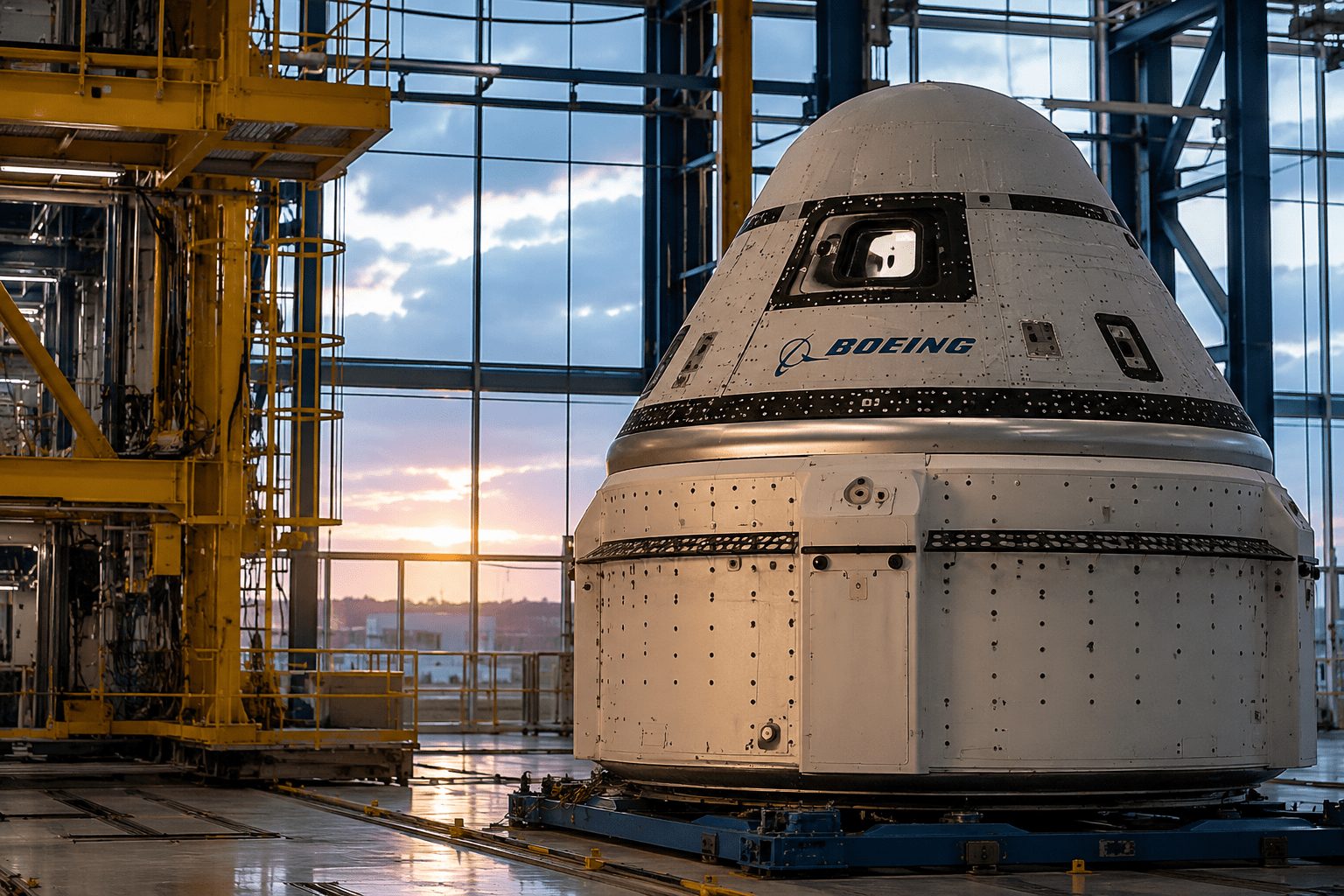
Starliner’s troubles keep piling up. Back in February, NASA revealed Boeing’s 2024 crewed flight test stretched from its original eight-to-14-day window to a whopping 93 days, following propulsion issues that left astronauts Butch Wilmore and Suni Williams grounded—the spacecraft came back without them. On top of that, in May, NASA said the schedule for the uncrewed Starliner-1 cargo run was still undecided, with more technical fixes underway.
Ortberg, for his part, has steered the conversation toward output and incoming orders. After a lengthy pause in Chinese narrowbody orders amid U.S.-China trade friction, China’s promise to purchase 200 Boeing jets is moving forward—this batch is just the “initial tranche,” he said last week, with details set to be finalized later this year. Reuters
The immediate risk isn’t there—the competitive threat stretches out further. SpaceX isn’t making airliners, Tesla isn’t a player in military jets, and Boeing still operates within a tight, highly regulated duopoly in the commercial aircraft world. However, if Musk’s companies were to merge and go public as a single platform, Boeing could start to feel the squeeze in areas like government space contracts, satellites, AI hardware, and the hunt for engineering talent—fields where its longstanding defenses don’t offer as much protection.
Still, there’s a caveat. Morningstar’s Nicolas Owens pegs SpaceX’s value at $780 billion—less than half the rumored IPO figure. “We don’t see Grok as one of the leading AI labs today,” Owens said. He added the margin of safety for investors could actually improve after the IPO. It’s a reminder: a sky-high SpaceX valuation might end up as a liability, not just a flex. Reuters
On Tuesday, Boeing dropped 3.3% to $216.83 as the session wound down. Tesla climbed 1.6%, finishing at $422.47. Lockheed Martin and Northrop Grumman both edged lower, but losses were capped below 1%.
Boeing faces a straightforward challenge right now: get more 737s out the door, clear the certification logjam, maintain safety improvements, and convert orders into cash. The Tesla-SpaceX arrangement hasn’t moved past the speculative stage. Still, the IPO hands investors a new yardstick for valuing a competitor Boeing can’t afford to overlook.