
WASHINGTON, June 2, 2026, 10:05 EDT
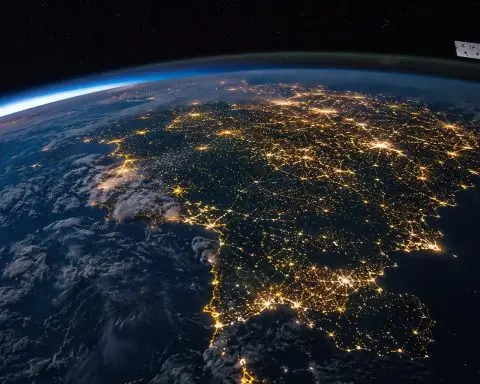
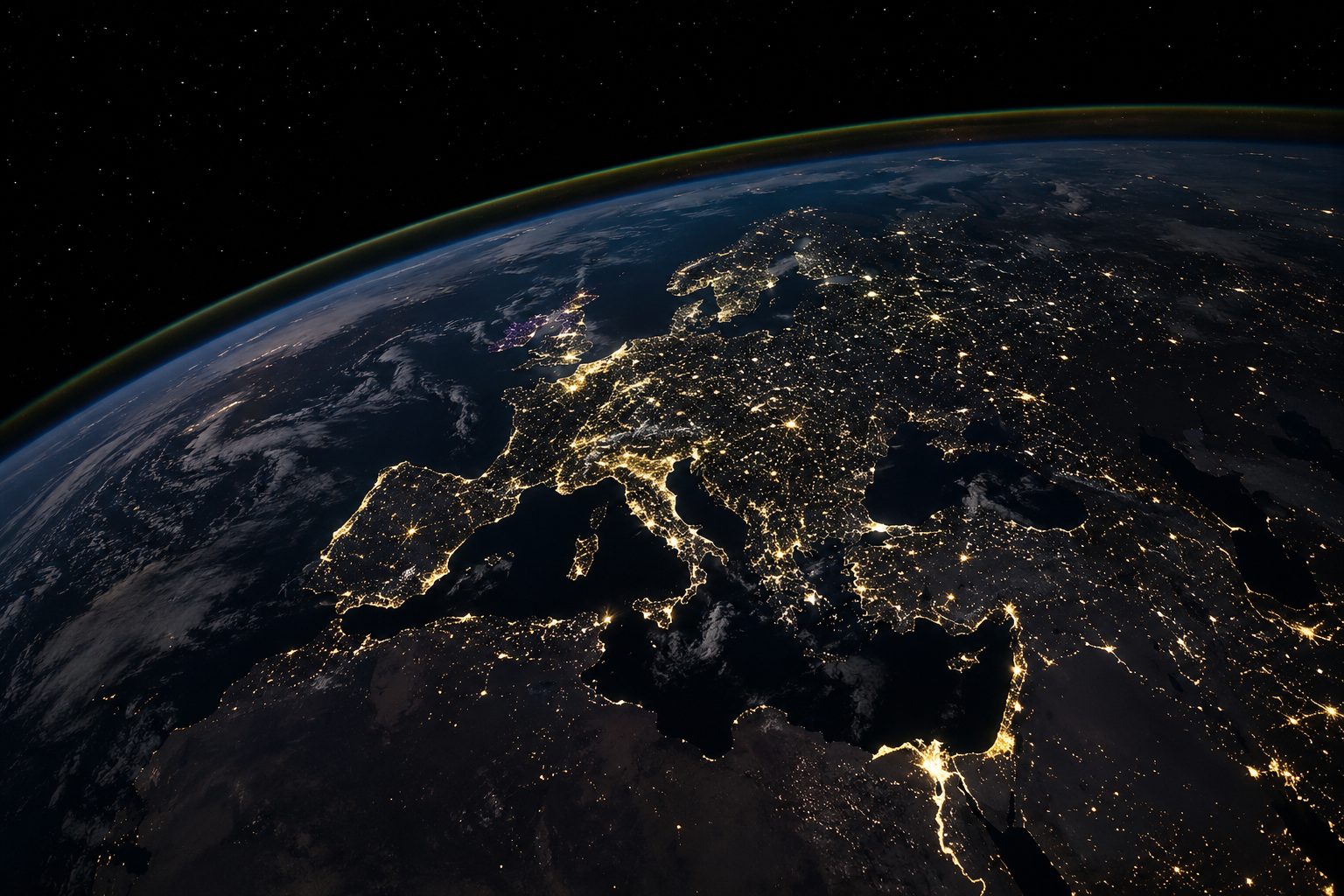
NASA’s satellite images reveal night-time brightness is rising globally, though not everywhere. Urban areas, oil patches, and booming regions stand out, their lights getting stronger. Meanwhile, sections of Europe, the U.S. East Coast, and countries affected by conflict have faded on the map.
Why do these findings count? Artificial light at night now signals more than just expanding cities. NASA’s Black Marble data is being used to monitor everything from electricity distribution and gas flaring to illegal fishing, disasters, and even conflict zones. Products come in daily, monthly, and annual slices, with some data arriving almost in real time.
The findings challenge the idea that development just keeps making Earth brighter. In Nature, researchers reported that night lights now paint a choppier picture of human activity, with areas lighting up and fading—sometimes right next to each other.
Researchers sifted through 1.16 million daily nighttime images from NASA’s Black Marble dataset, tracking lights across most populated regions from 2014 to 2022. NASA pointed to the VIIRS instrument—the Visible Infrared Imaging Radiometer Suite—onboard the Suomi NPP, NOAA-20, and NOAA-21 satellites as the data source.
NASA reported a 34% global jump in radiance—satellite-tracked brightness—over the period. Still, dimming trimmed that gain, resulting in a net 16% uptick in artificial nighttime light, the label researchers give to human-generated outdoor lighting after dark.
Zhe Zhu, professor at the University of Connecticut and co-author, described the daily signal as a “heartbeat of society.” Lead author Tian Li pointed out that the team relied on repeated observations to rule out noise, emphasizing that “most of these changes are caused by human activities.” UConn Today
Urban growth lit up China and northern India, with newer electrification and infrastructure pushing up brightness in parts of sub-Saharan Africa and Southeast Asia as well. Across Europe, though, lights faded: NASA noted a 33% drop in France, 22% in the UK, and 21% in the Netherlands—driven by LEDs, energy efficiency moves and stricter policies on light pollution.
The West Coast lit up as people flocked to its cities, but large swaths of the East Coast faded, which researchers connected to LED adoption and shifting economic tides. In the middle of the country, places like Texas’s Permian Basin and North Dakota’s Bakken Formation saw light levels spike and drop, mirroring the ups and downs of oil drilling and gas flaring.
Flaring, the process of burning off surplus gas at oil wellheads, sends carbon dioxide and soot into the air. “Money burned,” is how Deborah Gordon, a methane specialist at the Rocky Mountain Institute, described the practice—she wasn’t part of the research. She pointed out that public night-light imagery makes it possible for operators, investors, and insurers to identify spots where gas is simply going to waste. NASA Science
Conflict and economic trouble showed up sharply in the numbers. UConn flagged persistent nighttime darkening in Ukraine since the Russian invasion, with Syria and Yemen also registering notable drops. Venezuela’s nighttime brightness, according to the Nature paper, dropped over 26% compared to 2014 levels—a decline tied to the country’s worsening economy and crumbling infrastructure.
A darker map doesn’t always spell trouble. Zhu points out that dimming isn’t necessarily linked to decline or poverty. Researchers also note satellite data can be off—blue-heavy LEDs and fixtures aimed downward can fly under the radar or look distorted.
NASA points out that VIIRS instruments provide more detailed resolution compared to the older Defense Meteorological Satellite Program’s night-light pictures, arming researchers with a more precise way to monitor nighttime activity on Earth. Instead of pretty space snapshots, what they get is a near-daily record—tracking everything from new building projects to conservation efforts, blackouts, and sudden crises.