
PASADENA, California, May 28, 2026, 13:02 PDT
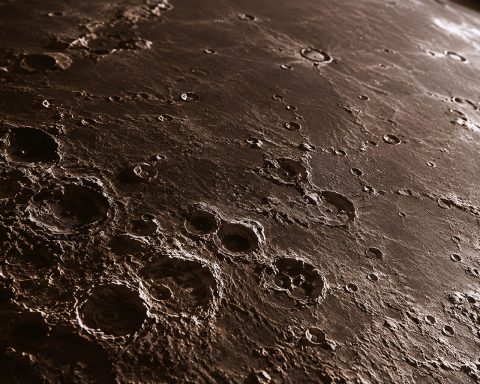
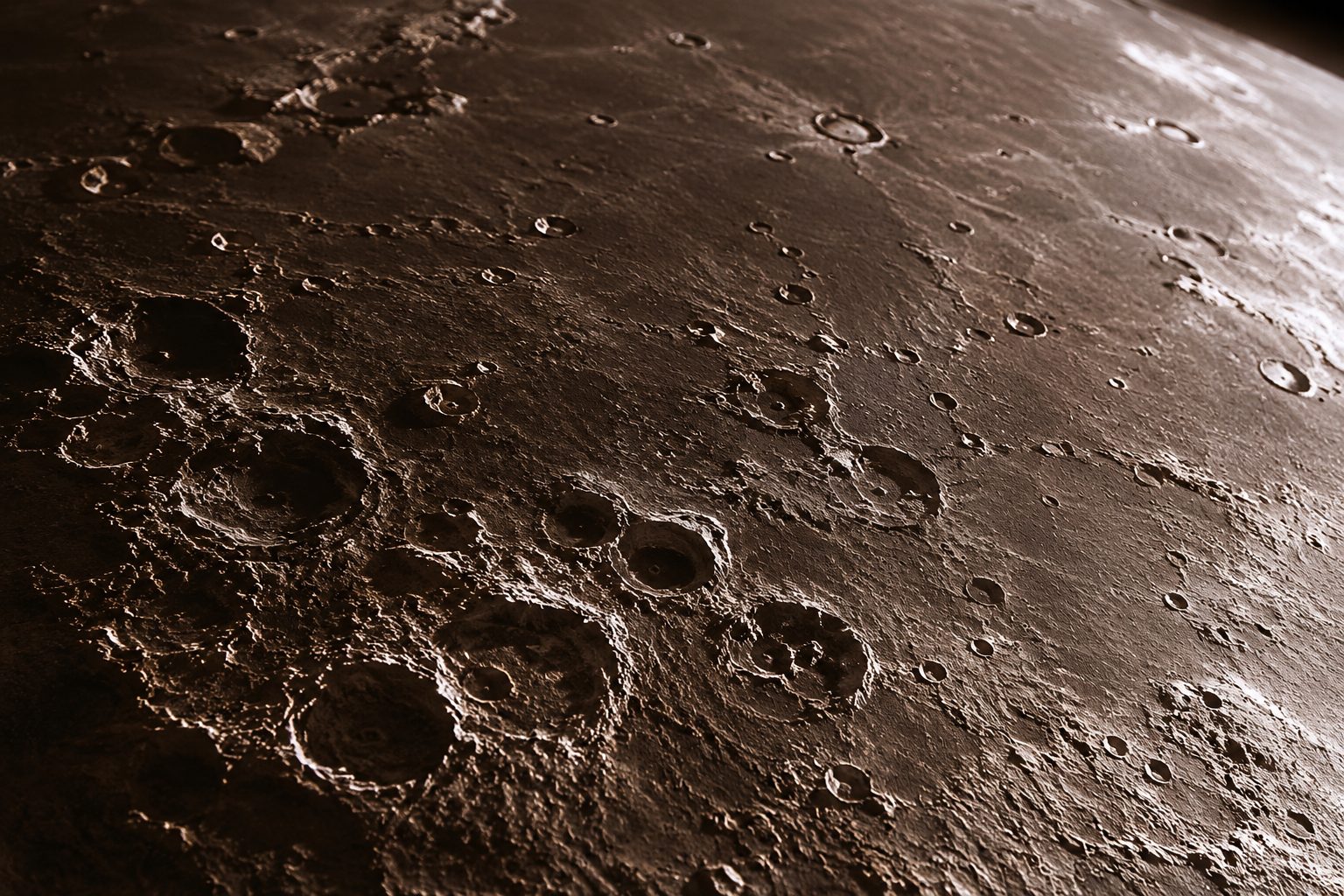
NASA’s Psyche spacecraft, on its way to study a metal-heavy asteroid, snapped an enhanced-color image of Mars’ Huygens Crater—a sprawling 470-kilometer double-ring basin—during a close flyby that set it up for a 2029 rendezvous with its namesake target. The shot came just after closest approach, with Psyche’s multispectral imager capturing variations in surface materials by filtering light through several bands.
This wasn’t just any Mars photo. The image came out of a gravity assist — that fuel-saving move where a spacecraft slingshots around a planet, picking up speed and adjusting course thanks to gravity. Engineers also got a real-time shakedown of the tools slated for work at the asteroid.
Psyche skimmed just 2,864 miles (4,609 km) from Mars on May 15, NASA said. That maneuver kicked the spacecraft’s speed up by roughly 1,000 miles per hour and nudged its orbital plane about one degree compared to the sun, according to Don Han, who leads navigation for Psyche at NASA’s Jet Propulsion Laboratory.
The Huygens image captures the crater and the southern highlands just below 15 degrees south latitude. According to NASA, the color variations probably reveal shifts in dust, sand, and bedrock across this ancient, pockmarked landscape. The image scale: roughly 2,200 feet, or 670 meters, per pixel.
“Although we were confident in our calculations,” Han said, picking up the Doppler signal from NASA’s Deep Space Network during the flyby still brought excitement. That network acts as the agency’s global communication link with distant spacecraft. NASA
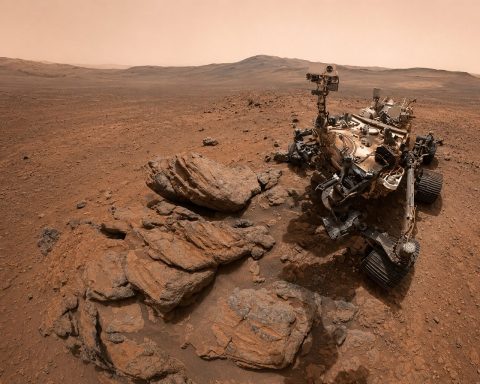
Psyche’s team seized an unusual opportunity to try out its instruments on Mars, a planet with a surface and atmosphere scientists know in detail. Arizona State University’s Jim Bell, who heads imaging, said they’ve collected “thousands of images” of the Red Planet. That trove, he added, should sharpen camera calibration and tune up the mission’s early image-processing tools. NASA
NASA cross-checked Psyche’s data with information from several other Mars missions — among them, the Mars Reconnaissance Orbiter, Perseverance rover, and ESA’s Mars Express. These missions contributed a mix of navigation, atmospheric, and surface data for comparison against Psyche’s measurements.
The biggest question mark remains at Psyche itself. NASA estimates the asteroid could be anywhere from 30% to 60% metal by volume, the rest likely rock. But no one knows what it actually looks like—confirmation will only come once the spacecraft gets a close view.
Here’s the flip side: the main premise behind the mission might get tangled if Psyche turns out not to be the straightforward planetary core scientists have hoped for. Should the asteroid contain less metal, or turn up with a more jumbled geological makeup, instead of a textbook core the team could be facing a patchwork of debris from ancient solar system impacts.
NASA expects the spacecraft to fall under asteroid Psyche’s gravitational pull in late July 2029, kicking off its main mission a month later. Over the following two years, it’ll orbit Psyche, snapping images, charting the terrain, and analyzing what it’s made of.
Psyche marks NASA’s inaugural attempt to target an asteroid boasting a mostly metal surface—not the usual rock or ice. The mission’s broader goal: shed light on iron cores, those building blocks of planets that remain inaccessible deep within Earth.
Arizona State University heads up the mission, and JPL handles mission engineering and runs operations. NASA noted that Intuitive Machines built the high-power solar electric propulsion chassis, while ASU teamed up with Malin Space Science Systems for the cameras.