
NEW YORK, May 29, 2026, 13:02 EDT
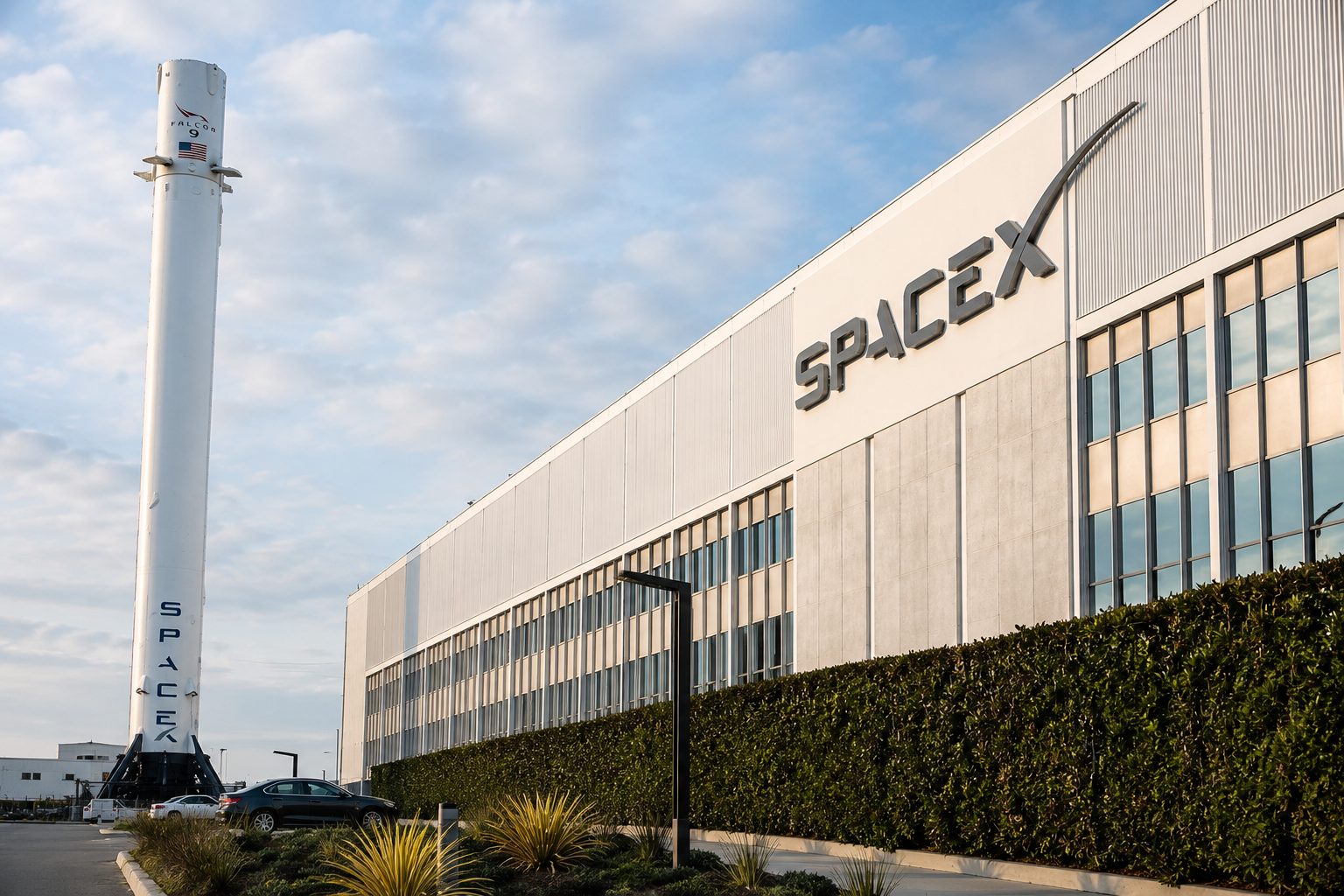
SpaceX’s ambitions for a blockbuster stock-market debut faced more questions Friday as Elon Musk pushed back against claims that the company had trimmed its IPO valuation target. Meanwhile, a Danish pension fund said it plans to steer clear of the shares, citing governance worries and the price tag. An IPO, or initial public offering, is a company’s first sale of shares to public investors.
According to Bloomberg News, SpaceX has set its sights on a valuation of at least $1.8 trillion—lower than the more ambitious figure above $2 trillion floated earlier. The move comes after feedback from advisers and investors ahead of the marketing push. Musk shot back with a “False” on X when an account referenced the report, Investing.com said. Bloomberg Tax
Timing is key here. Sources familiar with the deal say formal investor marketing may kick off as early as June 4, with pricing tentatively eyed for June 11. So, the valuation debate is now at the sharp end—not just early-day talk.
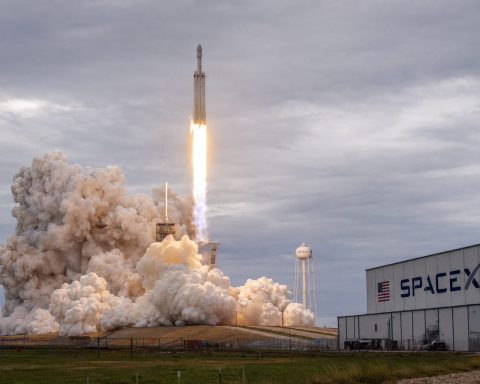
The offering puts a price tag to the test for a company blending launch services, Starlink broadband, and AI infrastructure. SpaceX submitted its S-1 to the Securities and Exchange Commission on May 20, aiming to list Class A shares on both Nasdaq and Nasdaq Texas, trading under the ticker SPCX.
Investors just got their hands on SpaceX’s full financials for the first time. In the filing, the company posted $18.7 billion in revenue for 2025, alongside a net loss hitting $4.9 billion. Starlink pulled in $11.4 billion, making up roughly 61% of that top line. Adjusted EBITDA came in at $6.6 billion — that’s earnings before interest, taxes, depreciation and amortization, minus certain costs.
Starlink stands out as the clearer segment here. According to GeekWire’s read of the filing, the connectivity arm pulled in $4.4 billion in operating income for 2025, and subscriber numbers hit 10.3 million. As is typical in early S-1s, both the share price and the total shares on offer were left unspecified.
Some in the market eye that first trade with suspicion. “Opening bell is the worst time to decide,” Altug Dincturk, CIO at Madison Partners, told Business Insider. Rob Arnott, who started Research Affiliates, said he’d step in to buy due to anticipated index flows, but drew a line: “I don’t buy stocks at 100-times sales.” Anna Rathbun, Grenadilla Advisory’s founder, put it bluntly: “The only stable business is Starlink.” Business Insider
Akademikerpension dropped SpaceX from its investment roster on Friday, putting the Elon Musk-led company on its exclusion list. The Danish pension fund cited market signals suggesting a valuation north of $1.8 trillion—levels it said couldn’t be justified above $1 trillion. Akademikerpension also slammed SpaceX for what it called “extremely deficient” governance, highlighting expectations that Musk will keep more than 80% of voting rights and simultaneously hold the titles of CEO, chief technology officer, and board chair. Reuters
Jeff Bezos, whose Blue Origin faces off with SpaceX in both launch and lunar projects, sounded more conciliatory in a May 20 CNBC interview. When pressed on whether SpaceX might be worth $1.75 trillion to $2 trillion, Bezos admitted he wasn’t familiar with the company’s financial specifics, but didn’t hesitate: “space is going to be a gigantic industry.” Versant Press Room
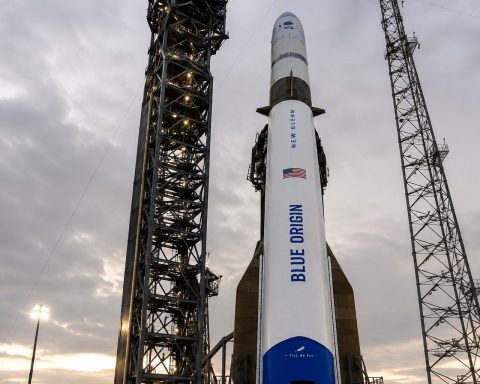
Reality bit this week. Blue Origin’s New Glenn rocket blew up in a hotfire test in Florida on Thursday—no injuries, according to the company. The Guardian noted the mishap is sparking new concerns about NASA’s moon program, and adds pressure on Blue Origin as it tries to catch up to SpaceX.
Competition remains in flux. In its filing, SpaceX identifies Arianespace, United Launch Alliance, and Blue Origin as launch competitors. For broadband, Amazon’s Leo satellite project and Blue Origin’s TeraWave show up as Starlink’s chief challengers.
Investors may be treating SpaceX as if its trio of businesses will all gain traction at the same time—a risky bet. The company’s own filing calls out Starship development setbacks, regulatory hurdles, and its reliance on Musk as notable risks; according to Via Satellite, delays with Starship rank highest among the concerns. The filing also highlights that Musk’s other ventures and his public remarks could sway either the business or its stock price.
At the moment, the deal hinges on a pair of propositions. The first is reflected in Starlink’s current revenue numbers and cash flow. The second pitch is more speculative—investors are being asked to pay upfront for Starship, space computing ambitions, and a broader space economy that could take years to validate.