

WASHINGTON, May 28, 2026, 17:02 EDT
For low-Earth-orbit satellite operators, the real bottleneck might not be congestion in space, but rather on the ground. Ian Clark put it in SpaceNews: operators are slamming into what he calls a “cardinality wall.” The idea? With thousands of satellites pumping out increasingly complex telemetry and status data, old-school ground infrastructure is getting swamped—simply unable to keep up. Copernical
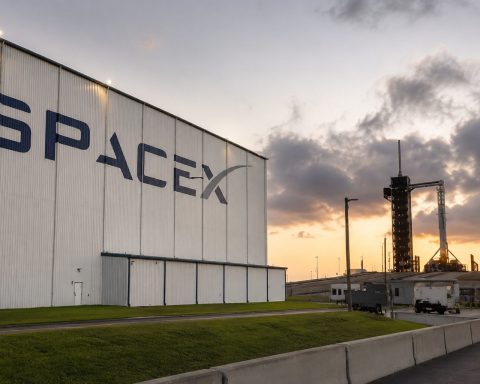
The warning came as the U.S. Space Force ramped up its push into proliferated low Earth orbit, or pLEO—more satellites, lower orbits, reduced latency. Space Systems Command, on May 26, said it had awarded SpaceX a $2.29 billion fixed-price deal for the Space Data Network Backbone. The contract covers an optically connected satellite mesh; a prototype should be ready by the end of 2027.
Constellation scale has moved beyond pitch deck buzzwords. Broadband, imaging, and defense outfits are genuinely scaling up their fleets—adding spacecraft, stacking sensors, rolling out software-defined payloads. Every new satellite cranks out fresh data: power levels, temperatures, attitude, orbital info, payload status, fault reports—the list goes on.
Cardinality, in database-speak, measures the count of unique data series or tag combinations. Basically, every time you break things down by satellite, subsystem, orbit segment, software version, or mission phase, you add another label. That pushes the data series count sharply higher, regardless of how fast the satellite fleet is growing.
Top Space Force officials aren’t mincing words. “The SDN Backbone leverages the best of commercial innovation,” said Col. Ryan Frazier, the interim acquisition executive for space-based sensing and targeting, in a statement from the command. Lt. Col. Fry, who runs the SDN Backbone program, insists the service won’t “trade speed for scale”—they want both, and they’re not backing down. Space Force SSC
Data’s piling up fast for commercial players. InfluxData says Loft Orbital, which operates customer payloads on low-Earth-orbit microsats, records more than 500 million measurements every day. Spikes aren’t uncommon—some bursts push past 10 million measurements in just ten minutes, forcing the company to process nearly all of it on the fly.
Competitors are moving quickly. Amazon says its Amazon Leo constellation—once called Project Kuiper—has surpassed 300 satellites launched over 11 missions, and the company has lined up more than 100 additional launches. Eutelsat, meanwhile, lists over 600 satellites in its OneWeb LEO network, set out across 12 orbital planes at 1,200 kilometers altitude.
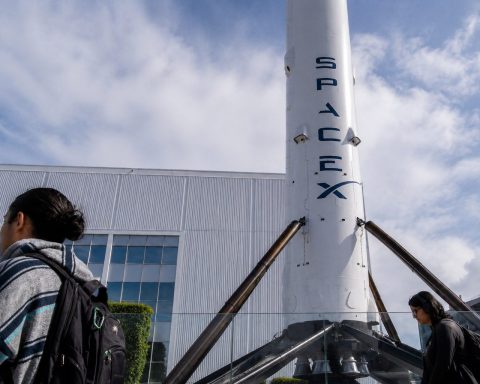
Starlink, SpaceX’s satellite division, remains far out front. According to Reuters, which cited industry insiders in a report from Italy, Starlink’s operational fleet of low-Earth orbit satellites is close to 7,000—no other competitor comes close. Telesat of Canada, on the other hand, is still on the runway, aiming to send up 150 to 200 LEO satellites this year for both defense and commercial use.
Operators won’t all face identical hurdles. For some, data rates get chopped, or metadata gets trimmed. Others pare down stored history or push more triage onto spacecraft and edge systems. Costs come down, but engineers may find themselves short on clues when problems hit.
Loft Orbital’s own internal slide deck spells it out: spacecraft ops depend on long-term trending, limit checks, and alerting. Their previous setup—PostgreSQL without time-series tuning—ran into trouble. Write bottlenecks. Scaling issues.
There’s now a defense element in the mix, thanks to the Space Force deal. Reuters reports the Space Data Network is set up to connect military sensors and weapons systems across the globe, shuttling missile-warning intel to interceptors in near real time. Space Force officials say this backbone will work alongside the Space Development Agency’s Transport Layer.
The story here isn’t just about one provider. The real shift is in where satellite risk is headed. More satellites crowding orbit? Only the beginning. Keeping up with their relentless data flow, constantly updating, may turn out to be the harder task.