
Destin, Florida, May 15, 2026, 06:04 CDT
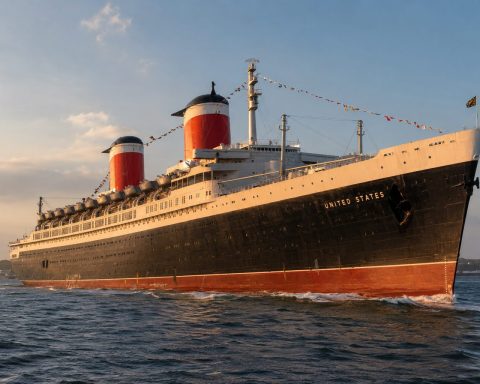
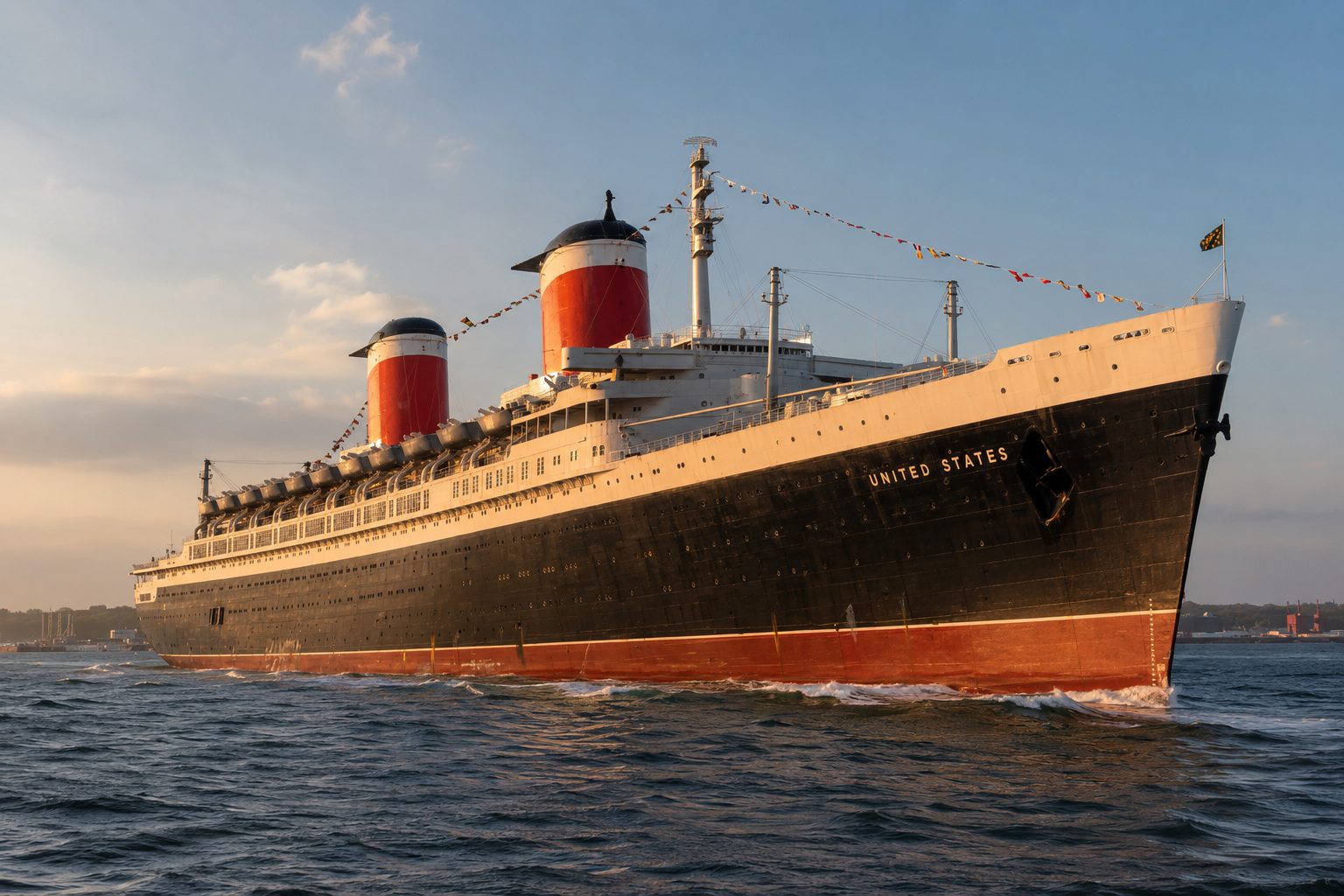
The SS United States, a retired ocean liner that still holds the record for fastest Atlantic crossing by a passenger ship, has wrapped up its mandated environmental cleanup and now sits in limbo, pending last federal clearances. Okaloosa County says there’s still no set date for when the vessel might be sunk off Florida’s Gulf Coast to become an artificial reef.
This snag is key. The project’s shifted from a battle over preservation to whether it even gets done. County officials have their hopes pinned on the nearly 1,000-foot vessel turning into a centerpiece dive spot for Destin-Fort Walton Beach. But nothing happens until the U.S. Army Corps of Engineers and the Environmental Protection Agency sign off on the last batch of paperwork.
Okaloosa is racing to secure a boost to tourism before more delays cut into the summer calendar. According to WEAR News, the vessel—currently docked in Mobile, Alabama—missed its May launch goal and slid to June as federal reviews dragged on. Deputy County Administrator Craig Coffey told the outlet the ship could go into service 30 to 60 days after those reviews wrap up.
An artificial reef is essentially a human-built structure dropped onto the ocean floor—meant to foster marine life and draw fish, divers, anglers. Okaloosa notes the SS United States has spent over a year in prep mode: crews stripped out hazardous materials, wiring, any fuel, and non-metal pieces. Plans call for cutting holes so the vessel sits upright once it’s in place.
This month, Cruise Industry News said the ship is “ready to be sunk,” though federal approval remains pending before it takes its last trip. The plan: a controlled sinking in the Gulf, near Destin-Fort Walton Beach. Cruise Industry News | Cruise News
Destin-Fort Walton Beach is positioning itself head-to-head with the USS Oriskany Reef off Pensacola—a well-known Gulf diving site built around the decommissioned aircraft carrier. Coffey told WEAR the two reefs will sit roughly 12 miles apart. “We are going to take that title,” he said, referring to the claim of largest artificial reef. WEAR
According to the county, tourism bed-tax dollars are footing the bill for the project—not general fund resources. Commissioners have set aside $13 million for the SS United States Conservancy, covering acquisition, towing, remediation, deployment, and support for a land-based museum.
The museum emerged as a compromise after pushback from preservationists who opposed sinking the ship. According to the county, the ship’s funnels and mast will wind up in the museum. The Conservancy says that the Destin-Fort Walton Beach site will be telling the liner’s story to those who’ll never see the wreck themselves.
The ship’s historic designation remains a sticking point. According to Mid Bay News, Okaloosa commissioners went ahead with a memorandum of agreement even though an Army Corps historic-preservation review determined that sinking the vessel would negatively impact its National Register status. Under Section 106, federal agencies have to weigh potential damage to historic sites before signing off.
Nick Tomecek, the public information officer for Okaloosa County, described the vote as “a great next step.” The county still has to send its report to the EPA before any deployment planning starts. The agreement outlines requirements for documentation, 3D scans, and a two-year scientific study by Woods Hole Oceanographic Institution once the ship settles on the seafloor. Mid Bay News
There’s still a chance the schedule slips if approvals stall, weather turns, or fresh pushback crops up. The liner’s fate has drawn opposition from multiple groups before, and just one late-breaking challenge—environmental or historic—could further delay a project that’s already fallen behind on previous deadlines.
The SS United States, launched in the early 1950s, once ferried presidents, celebrities, and immigrants—until jet travel sidelined the ship in 1969. According to AP, Okaloosa’s preferred location lies roughly 22 nautical miles southwest of Destin and 32 nautical miles southeast of Pensacola. Depth at the site: about 180 feet. The plan is for the vessel to become both an artificial reef and a tourism magnet.