
SAN FRANCISCO, May 31, 2026, 10:01 PDT
OpenAI’s anticipated move toward public markets is shaping up as a broader gauge of investor appetite for next-generation AI, especially after Anthropic landed $65 billion at a $965 billion post-money valuation—that’s after the fresh cash. That haul pushes Anthropic’s valuation past OpenAI’s previously reported $852 billion, intensifying the scramble for funding to cover the hefty compute bills powering AI.
Timing is crucial here. Big mutual funds and passive index players are already setting aside cash for possible OpenAI and SpaceX IPOs, according to Reuters. John Flood, who manages global banking and markets at Goldman Sachs, noted that “investors are increasingly focused” on what these hefty IPOs could mean. Analysts at Deutsche Bank pointed out that there’s still plenty of firepower on the equity-buying side. Reuters
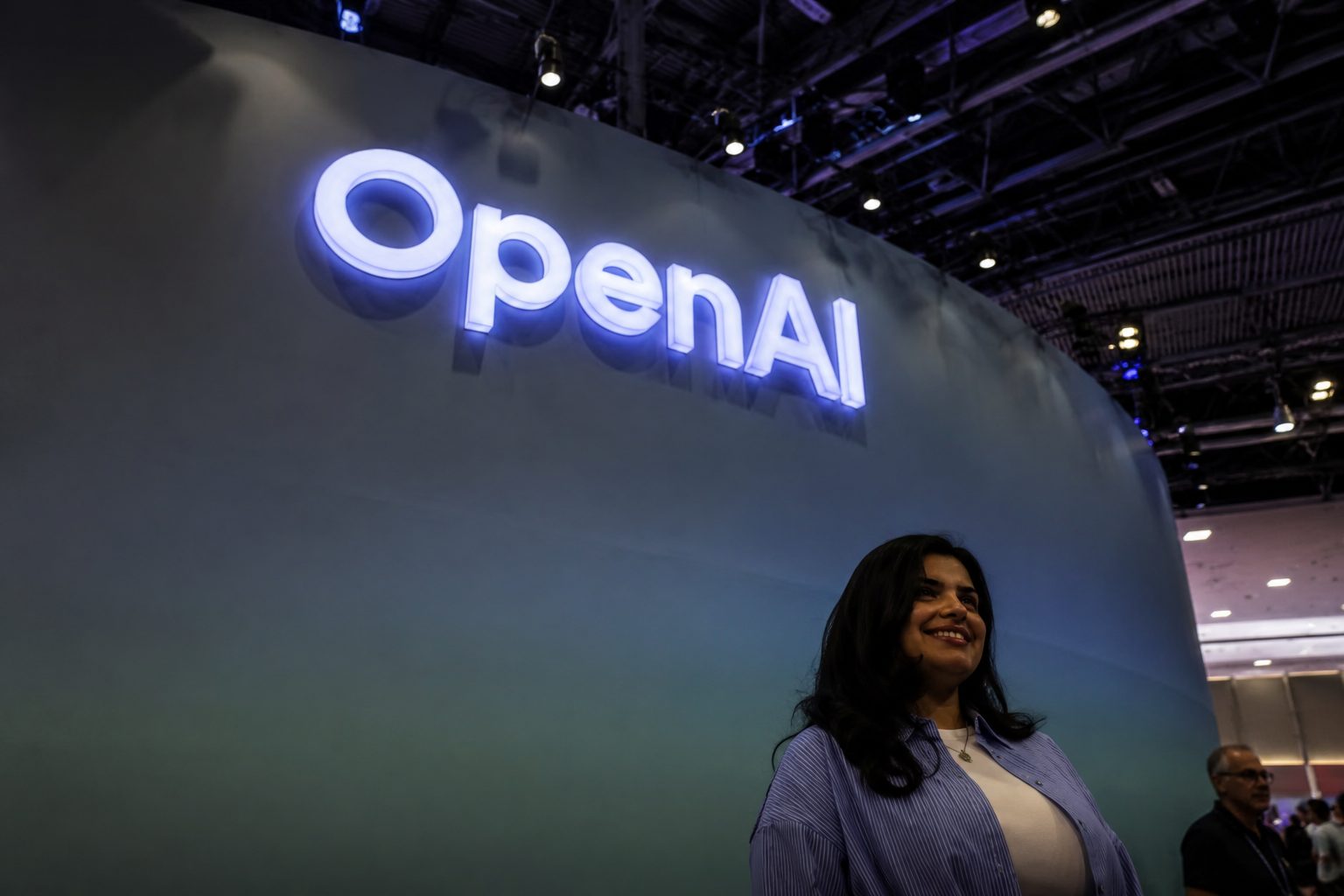
OpenAI is getting ready to confidentially file for a U.S. IPO in the coming weeks, according to a source familiar with the situation who spoke to Reuters on May 20. The ChatGPT developer is targeting a public debut as soon as September, with Goldman Sachs and Morgan Stanley helping craft the draft prospectus, two sources told Reuters. IPOX Vice President Kat Liu noted that Elon Musk’s now-resolved legal dispute had “removed a major obstacle” for the offering. Reuters
A confidential filing differs from a public prospectus. It gives the U.S. Securities and Exchange Commission a chance to review an early draft away from investors’ eyes. According to SEC guidance, companies planning an IPO are required to make their registration statement, along with any previously submitted nonpublic drafts, public at least 15 days ahead of a roadshow—or, if there’s no roadshow, before the effective date.
On May 18, a U.S. jury in Oakland, California, sided against Musk in his lawsuit claiming OpenAI had abandoned its original mission. Wedbush analyst Dan Ives described the outcome as a “huge win for Altman and OpenAI.” Musk, for his part, said he plans to appeal. Reuters
OpenAI is also moving to demonstrate how its nonprofit governance plans to handle the economic aftershocks tied to its technology. On May 27, Divya Siddarth and Wojciech Zaremba announced the OpenAI Foundation’s pledge: $250 million up front for grants, partnerships, and hands-on projects focused on “economic futures.” Their message carried a warning—the “window to get this right” is closing fast. OpenAI Foundation
OpenAI’s setup is still a rarity for a firm eyeing a valuation in the $1 trillion range. Its for-profit arm is structured as a public benefit corporation—meaning it’s required to weigh both its stated mission and the interests of a wider set of stakeholders. The OpenAI Foundation owns 26% of OpenAI Group, Microsoft has close to 27%, with the balance in the hands of employees and investors.
The race isn’t slowing down. Apollo Global Management and Blackstone are putting together roughly $36 billion in debt financing for Anthropic’s AI infrastructure buildout, Bloomberg News said, with the deal centering on custom Google tensor processing units—chips designed specifically for AI tasks.
Growth and scarcity are the main draws for public investors. HSBC analysts see OpenAI’s revenue jumping from $34 billion this year to $64 billion next year. Over at BNP Paribas, analysts predict the company could start producing positive free cash flow by 2031, according to Reuters Breakingviews. But there’s still the tough issue of just how much OpenAI will need to burn on chips, data centers, and hiring before it gets to profit.
The danger? That window could shrink fast. Getting from initial filing to a U.S. IPO debut typically stretches anywhere from three to six months, depending on how the SEC review and market backdrop play out. If appetite fades, companies sometimes trim both share counts and price ranges. Insiders are generally locked out from selling for 90 to 180 days.
Public investors are still waiting for OpenAI’s S-1, the key filing that spells out revenue quality, model expenses, customer concentration, and corporate governance, including shareholder rights. Without it, the IPO remains in draft form: big, high-profile, unpriced.