
PASADENA, California, May 30, 2026, 15:02 PDT
- NASA’s Perseverance rover has logged 26.09 miles on Mars—almost hitting the 26.22-mile marathon distance, but not quite.
- The rover hit this milestone while navigating the ancient landscape just beyond Jezero Crater. Scientists are combing the area for signs of how habitable early Mars may have been.
- The bigger issue now isn’t just how far Perseverance manages to travel—the focus has shifted to whether its sealed rock samples will actually make it back to Earth.
NASA’s Perseverance rover is about to notch a marathon on Mars. The six-wheeled robot has covered 26.09 miles—41.99 kilometers—coming within striking distance of the classic 26.22-mile mark. That’s not just a number; it’s a reminder that the car-sized rover keeps stretching past its original mission. Mission manager Robert Hogg expects Perseverance will hit the milestone in roughly a month, with critical science still riding on the last stretch.
The timing is key here: Perseverance has moved on from simply surviving on Mars. Now it’s operating beyond Jezero Crater, in ground that mission scientists suggest could contain the oldest rocks yet for the rover to study. But as it presses on, NASA’s effort to return those sealed samples to Earth is running into budget and program uncertainties.
Perseverance touched down Feb. 18, 2021, kicking off what NASA billed as a one-Martian-year primary run—roughly 687 days on Earth’s calendar. More than two years later, the agency’s location map shows the rover remains active in Jezero’s old river delta, picking up rock and regolith samples—broken rock and dust—aimed at a possible trip back to Earth.
NASA has repeatedly emphasized that the rover still has plenty of life ahead. Back in December, JPL reported that its engineers ran tests on key systems, confirming operations could continue through at least 2031. Steve Lee, deputy project manager for Perseverance, called the rover’s condition “excellent” after the checks. NASA
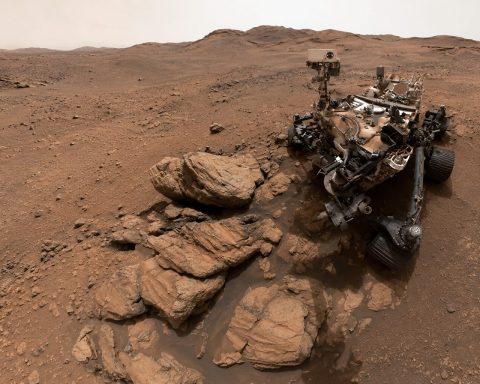
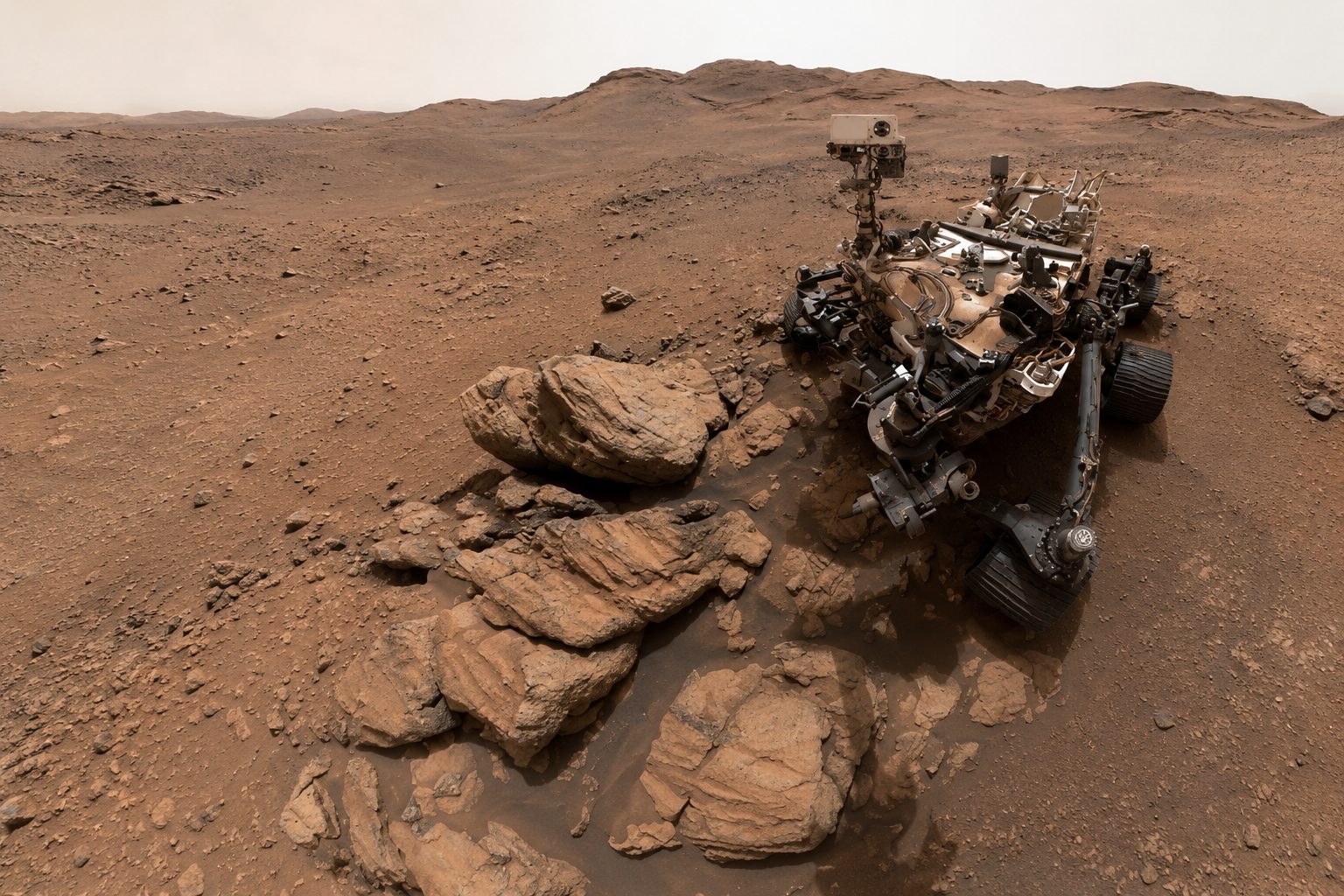
Perseverance’s current science drive has brought the rover out past Jezero’s western edge, into Lac de Charmes. Katie Stack Morgan from JPL, who leads the project, said the March selfie shows the rover at its most westerly point since touchdown. Before snapping the shot, Perseverance scraped into the Arethusa outcrop to check beneath its eroded surface.
The rover’s autonomous driving has improved as well. Back in February, JPL highlighted a system known as Mars Global Localization. It enables Perseverance to line up what its cameras see with orbital maps, pinpointing its own position to within 10 inches—no need to wait for guidance from Earth. “Kind of like giving the rover GPS,” said Vandi Verma, chief engineer of robotics operations for the mission. NASA Jet Propulsion Laboratory (JPL)
Autonomy’s crucial on Mars, where GPS doesn’t exist and any wrong move eats up precious time. JPL robotics engineer Jeremy Nash called the localization work an “open problem in robotics research for decades.” The lab noted it’s using the same faster processor from the Ingenuity helicopter to power the system now. NASA Jet Propulsion Laboratory (JPL)
Jezero stays at the heart of the science push. NASA maintains the crater housed a lake nourished by a river—an environment that might have trapped traces of ancient microbes in its sediments. Perseverance drilled out whole rock cores with Earth-bound lab analysis in mind, since tools back home beat anything that’s ever reached Mars for size and accuracy.
But there’s no guarantee the effort pays off. NASA’s fiscal 2026 budget proposal spells out plans to cut “financially unsustainable programs including Mars Sample Return,”—that’s the main project tasked with getting those sample tubes back—and as Nature reported in January, Congress left out funding for bringing home any material Perseverance has already gathered on Mars. If no return mission goes ahead, Perseverance can still identify sites with possible biosignatures—potential evidence of ancient life—but the most conclusive tests would have to wait, or depend on a future mission framework. NASA
Perseverance still trails its predecessors. Back in 2015, Opportunity broke the marathon barrier after over 11 years on the Martian surface—NASA called it the first human-made machine to run up more than a marathon’s worth of miles anywhere off Earth. Opportunity’s record stands: 28.06 miles, Reuters notes, remains the longest drive on Mars. Curiosity, for its part, has logged 22.93 miles in Gale Crater.
Curiosity’s findings are stirring up a new kind of peer pressure. NASA reported this week that readings from Gale Crater reveal hematite crystals might flag shifts in Mars’ ancient climate. Tanya Peretyazhko at NASA Johnson described “warm and wet conditions” sticking around for long stretches inside the planet’s buried rock layers. NASA Science
For Perseverance, it’s not so much about hitting an endpoint as figuring out the path forward. Ken Farley, deputy project scientist at Caltech, notes the rover’s got “at least a decade” left on its power supply, though the length of the mission hinges on NASA’s calls. The rocks aren’t going anywhere. The real challenge is working out how far to push and what it’ll take to bring the most valuable samples back. Reuters