
Beijing, May 20, 2026, 21:16 (UTC+8)
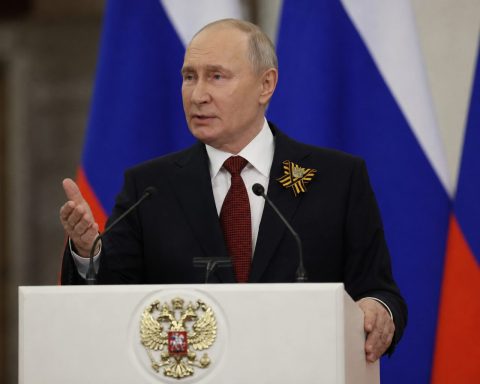
During Vladimir Putin’s Wednesday stop in Beijing, China and Russia took aim at the United States, accusing it of undermining the nuclear balance with President Donald Trump’s Golden Dome missile-defense initiative. Their joint statement claimed the U.S. ground- and space-based shield represents “an obvious threat to strategic stability”—that’s the equilibrium that discourages nuclear states from believing a first strike could be survivable. The coordinated move comes after a week of intense diplomacy in China. Reuters
Timing is key here. The statement arrived after the New START treaty—which since 2010 capped U.S. and Russian strategic nukes—lapsed in February, leaving no successor in place. Just a week earlier, Xi had welcomed Trump to Beijing, an opportunity for China to project it can handle Washington ties while tightening its political bond with Moscow.
Golden Dome, Washington’s answer for a new wave of missile threats, is designed to tackle ballistic, hypersonic, and advanced cruise missiles. It’s also supposed to feature interceptors in space capable of striking missiles during their boost phase—right after they launch. That’s spelled out in the White House directive.
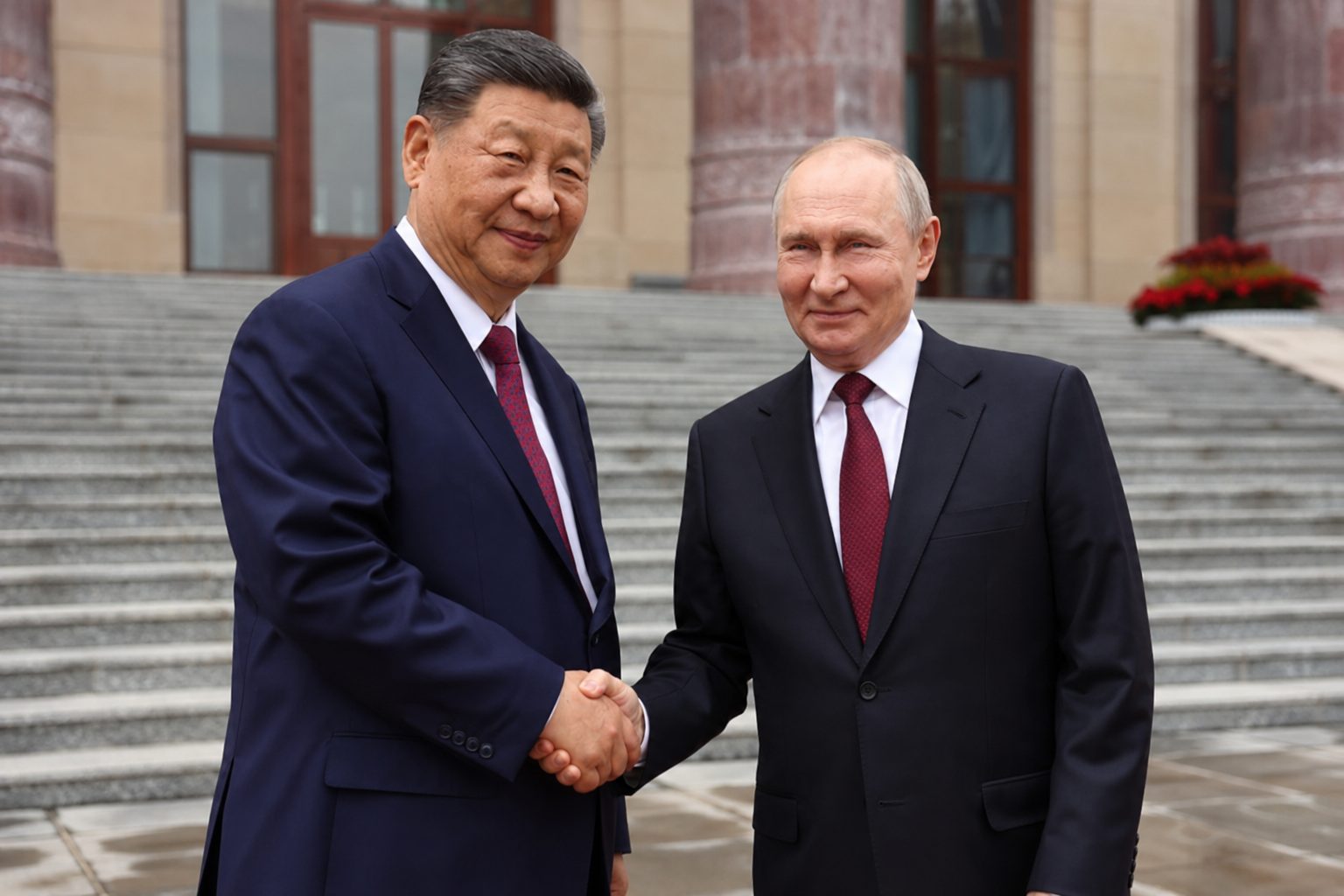
Xi and Putin framed their alliance as extending well beyond missile-related issues. According to Xinhua, both leaders agreed to deepen the China-Russia Treaty of Good-Neighborliness and Friendly Cooperation. They also signed 20 cooperation agreements that span trade, education, and science and technology. Putin called the relationship “unprecedented.” Xi, for his part, urged efforts toward a “more just and reasonable” global governance system. Xinhua News
Steve Tsang, who heads the SOAS China Institute at the University of London, summed it up this way: China signals it will “maintain friendship and strategic partnership with whichever power it likes”—the U.S. included, but not exclusively. That interpretation matches what played out: both Trump and Putin were treated to red carpets, though only Putin heard talk of a deep strategic alliance. AP News
Energy took a central role during Putin’s trip. He described it as the “driving force” behind economic ties. Xi, for his part, referred to energy and resource connections as a “ballast stone” in their partnership—a phrase worth noting, given Russia’s push to reroute gas exports from Europe to Asian buyers. Al Jazeera
Still, unity only went so far. According to the Kremlin, both countries reached a broad understanding on Power of Siberia 2—a planned 2,600-km gas pipeline set to deliver 50 billion cubic metres a year to China via Mongolia—but questions around pricing and timing are unresolved. With those issues hanging, Moscow’s top energy request from Beijing sits as a promise, not a signed agreement.
Golden Dome faces budget and procurement uncertainties. The Congressional Budget Office this month put the system’s price tag at roughly $1.2 trillion over two decades—much higher than the Pentagon’s $185 billion figure. CBO also warned the shield could be swamped by a large-scale Russian or Chinese assault. Lockheed Martin, RTX, and Northrop Grumman are among the anticipated bidders for key parts.
Tom Karako, who heads the Missile Defense Project at the Center for Strategic and International Studies, responded after Trump pegged the cost at $175 billion: “the question remains, over what period of time,” he said. Karako estimated it would likely span “probably 10 years.” Silicon Valley expertise and current missile-defense technology could contribute, according to Karako, but the program’s size and political hurdles are still up in the air. Reuters
The Pentagon insists the project is about protecting the homeland. Gen. Mike Guetlein, they said, will take charge of the Golden Dome effort—a package pitched as a multi-layered defense against everything from ballistic and hypersonic threats to advanced cruise missiles and other aerial attacks, whether from top adversaries or smaller unfriendly states.
There’s a broader risk here: both sides might interpret the other’s missile moves as gearing up for a first strike. Russia and China voiced concerns about preemptive missile-strike doctrines. Meanwhile, Russia shared video showing nuclear warheads being loaded onto mobile Iskander-M launchers during joint exercises in Russia and Belarus.
Xi put the U.S. relationship on level footing with Russia’s, not elevating one over the other. Putin got a clear signal: despite sanctions and the ongoing Ukraine conflict, he’s still welcome in Beijing, and Chinese trade remains critical for Moscow. The sticking points — gas pricing, nuclear arms talks, and the unresolved bill for Golden Dome — stayed unresolved, outside the official agenda.