
NEW YORK, May 20, 2026, 16:04 EDT
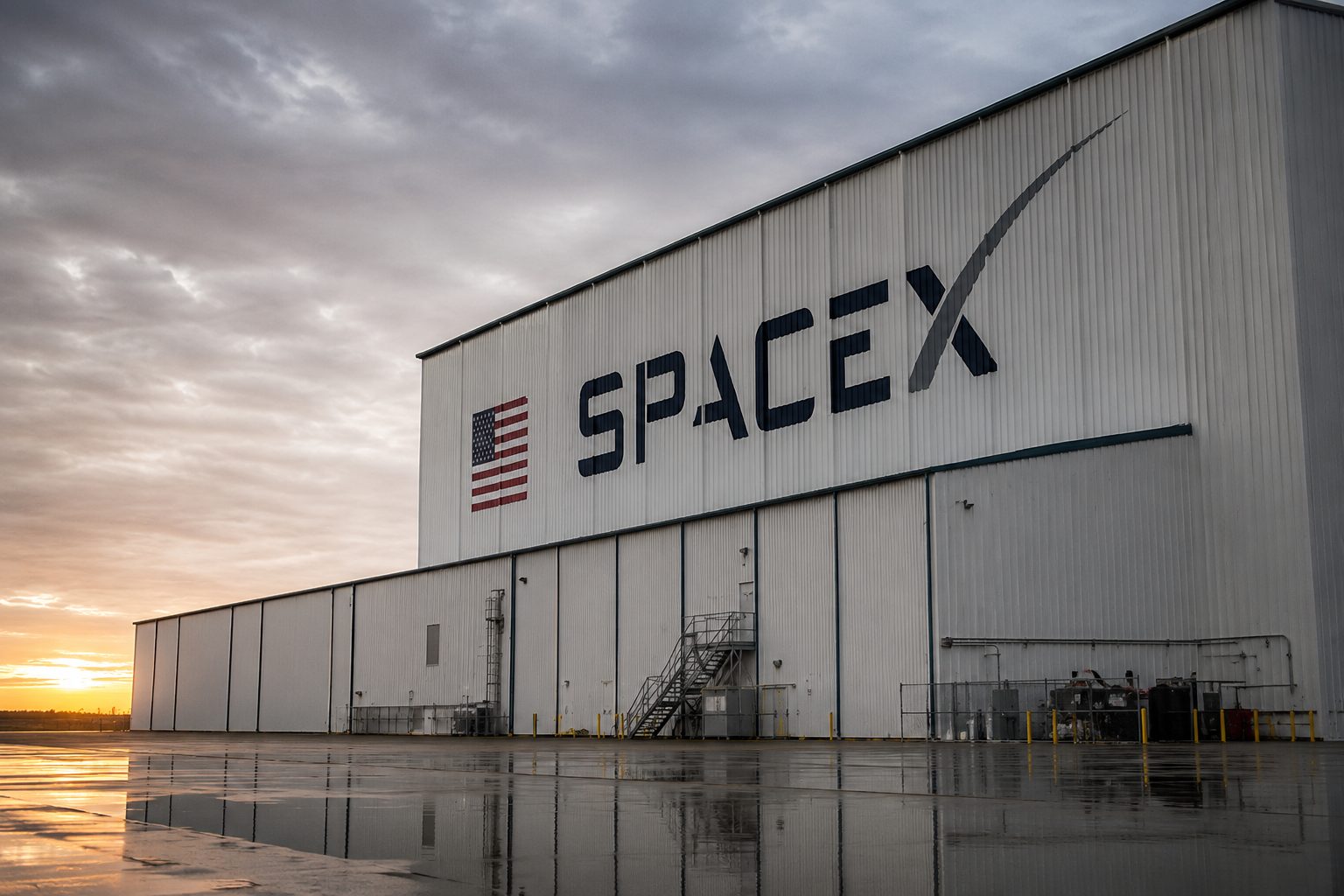
Rohit Kulkarni at Roth Capital tagged Starlink’s growth as the “biggest question” hanging over SpaceX’s valuation Wednesday, zeroing in on the satellite-internet unit as Wall Street’s main battleground ahead of Elon Musk’s planned public offering. SpaceX, still private, operates Falcon, Starship, and of course Starlink. YouTube
Timing looks precise. Reuters said Tuesday that Goldman Sachs is poised to snag the “lead left” — the coveted senior underwriter slot for the IPO — with Morgan Stanley joining as a lead on the filing; SpaceX is targeting around $75 billion on a $1.75 trillion valuation and could hit Nasdaq as soon as June 12. Reuters
Starlink’s role has outgrown “side business” status. For investors, the real question looms: should SpaceX’s value reflect launches, broadband, defense contracts, AI infrastructure—or some cocktail of those pieces?
Morningstar’s analysis, first run by PitchBook, puts SpaceX’s 2025 revenue near $16.0 billion, with EBITDA at $7.5 billion, both figures propelled almost solely by Starlink’s swelling subscriber base. EBITDA, or earnings before interest, taxes, depreciation and amortization, is a standard gauge for operating cash flow.
Sacra figures SpaceX will bring in $18.7 billion in revenue for 2025, with Starlink alone making up $11.4 billion—about 61% of the total—and contributing $4.4 billion in operating profit. The firm also noted SpaceX announced Starlink crossed the 10 million active customer mark as of February 2026. During that stretch, average monthly revenue per subscriber dropped 18%, landing at $81 between 2023 and 2025.
Kulkarni’s question gets at the dilemma: Starlink has room to pick up more users, but public investors are going to press for evidence that growth can continue without slashing prices too aggressively or pouring excessive cash into staying ahead of demand.
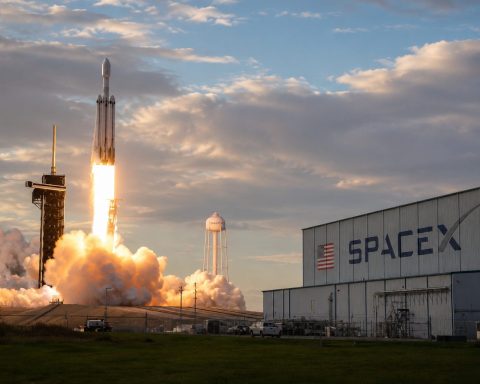
SpaceX’s launch division adds weight to that case. According to Space.com, Starship V3 was stacked at Starbase in Texas and has finished its wet dress rehearsal. Flight 12 is on the books for no earlier than 6:30 p.m. EDT on May 21. The vehicle remains in testing, but SpaceX is counting on reusability to drive down costs for boosting satellite capacity.
The race has tightened. Amazon sent up its first 27 Project Kuiper satellites in April 2025—just the start of a bigger 3,236-bird constellation. Jeff Bezos told Reuters there’s “room for lots of winners” in the satellite internet space. Starlink still leads for now, but Amazon isn’t just showing up; it’s got the cloud, devices, and enterprise reach to push back. Reuters
The valuation, though, doesn’t offer much margin for error. “When a company goes public at such a high valuation, lots of things have to go right,” said Jay Ritter, a University of Florida professor who tracks U.S. IPOs, in comments to Reuters. “Most of the time, things don’t go according to plan.” Reuters
Musk’s push into AI brings its own set of complications. On Wednesday, Benzinga noted that ex-OpenAI employees and multiple AI safety groups are pressing would-be SpaceX investors to consider the risks linked to xAI. Their warning: investors lack enough data to properly gauge the potential downside before the prospectus lands.
Right now, the market’s focused on one thing. Starlink needs to translate extra satellites and lower launch costs into actual user growth—without chopping into monthly revenue. If they pull it off, SpaceX’s IPO pitch looks that much stronger. Flop, and public investors could end up holding shares in a giant story with hardly any room for stumbles.