
KENNEDY SPACE CENTER, Florida, May 20, 2026, 17:07 EDT
NASA has reworked Artemis III into a 2027 Earth-orbit demo, focusing on Orion’s docking maneuvers with commercial lunar landers—a move that brings Blue Origin’s Blue Moon Mark 2 closer to SpaceX’s Starship for a shot at the next milestone. According to the agency, the plan is to put one or both prototypes through their paces before sending astronauts back to the Moon’s surface.
Timing’s key here, since Artemis III isn’t leading the charge anymore. NASA has shifted gears, planning to use Artemis III for a shakedown run near Earth instead, while Artemis IV now lines up as the next U.S. crewed Moon landing, slated for 2028. This adjustment lets NASA run Orion, test docking and lander procedures—all without committing a crew to lunar orbit on the first go.
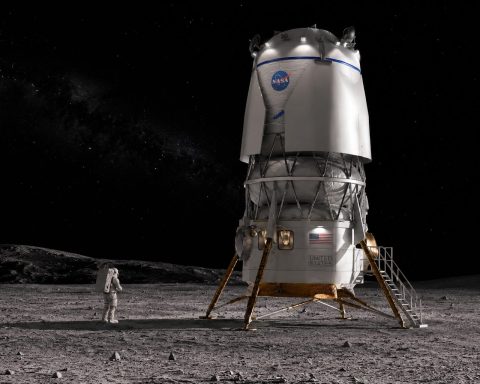
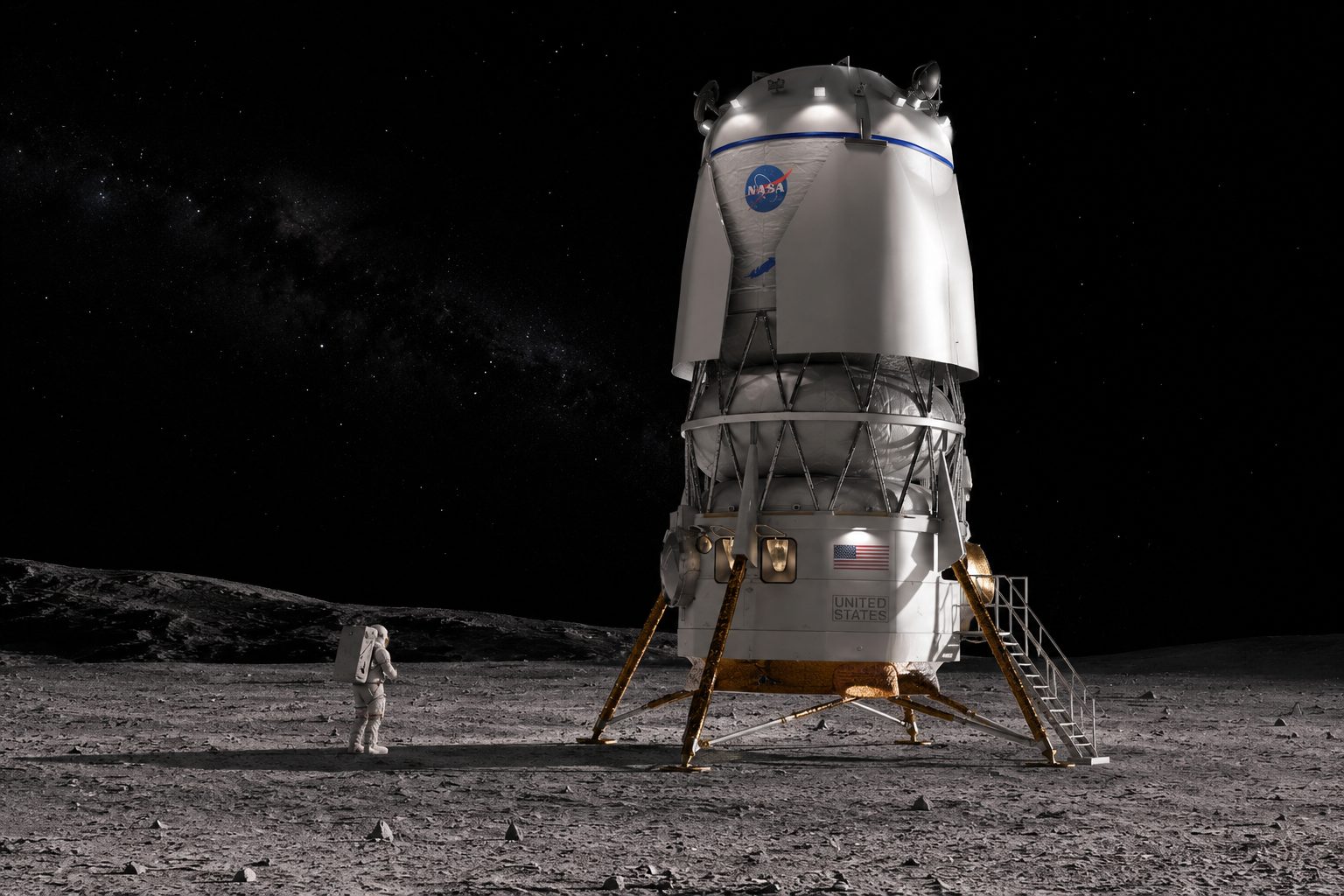
Blue Origin’s profile just got a boost. Although NASA awarded SpaceX the original Human Landing System (HLS) contract first, the updated plan edges Blue Origin’s Blue Moon Mark 2 pathfinder into Artemis III’s test lineup — assuming it’s up to speed. SpaceX still holds its spot as the other main lunar lander supplier.
Jeremy Parsons, who’s serving as NASA’s acting assistant deputy administrator for Moon to Mars exploration systems, described Artemis III as “an important stepping stone” and “one of the most highly complex missions NASA has undertaken.” According to NASA, this flight won’t simply echo Orion’s previous crewed outing—it’s set to feature new Artemis operating protocols along with several spacecraft. NASA
NASA’s plan calls for its heavy-lift Space Launch System, or SLS, to launch four astronauts aboard Orion to low Earth orbit—close enough to give other vehicles added launch flexibility. Instead of the interim upper stage, the agency is opting for a non-propulsive spacer here, while the European-built service module attached to Orion will handle orbital adjustments for the capsule.
Blue Origin is pushing ahead on a pair of projects. The Blue Moon Mark 1—dubbed Endurance—serves as an uncrewed cargo lander. NASA has confirmed that environmental testing wrapped up inside Johnson Space Center’s thermal vacuum chamber, a facility built to mimic space’s harsh conditions. The MK1 missions are designed to shave off risk ahead of deploying the larger, crew-rated Mark 2.
Blue Origin’s MK1 lander, according to the company, aims to haul up to three metric tons of cargo to the Moon, all packed into its New Glenn rocket’s fairing. The MK1 pathfinder will test out key tech: BE-7 engine, cryogenic fluid systems for managing ultra-cold fuel, avionics, communications, and tools for pinpoint landings.
NASA now has a full-scale mock-up of Blue Moon Mark 2’s crew cabin at Johnson Space Center, delivered for astronaut training and testing. The agency said the cabin will be used for mission run-throughs, spacesuit testing, and comms drills as it gets ready for commercial lander dockings in Earth orbit in 2027.
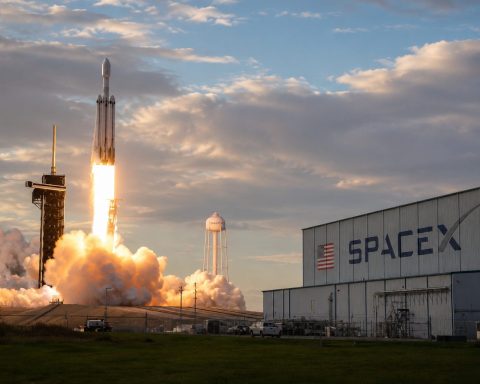
SpaceX still faces plenty of heat from rivals. Another round of Starship testing is on deck in Texas, with NASA eyeing the rocket for Artemis lunar missions as soon as 2028. “Absolutely critical,” is how Don Platt, who heads Florida Tech’s Spaceport Education Center, describes the upcoming test. Artemis III won’t go anywhere, he says, without a lander that can hit Earth orbit and dock with Orion. WUWF
Plenty of hurdles remain. Both landers are still works in progress, and key Artemis III decisions—crew selection, mission length, even which lander gets astronaut boots—haven’t been finalized. NASA Administrator Jared Isaacman has described a plan needing “three massive launches in quick succession,” leaving little slack if hardware issues crop up late. SpacePolicyOnline
Blue Origin picked up the $3.4 billion NASA contract for Artemis V’s lunar lander back in 2023—a fixed-price deal spanning design, development, testing, plus an uncrewed demo ahead of sending astronauts. NASA’s reasoning at the time: a second lander design should spur competition and shore up future lunar access.
SpaceX secured the initial contract. NASA picked Starship in 2021, signing a $2.89 billion milestone deal for the first commercial crewed lunar lander, and then instructed SpaceX to adapt the vehicle for ongoing lunar work. The Artemis III revision leaves SpaceX with its lead, though it shortens how long the public can see the test process.
NASA is playing it smart—first, nail down docking, crew handling, heat-shield checks, and test the lander’s interfaces close to home. No Moon shot until those boxes are ticked. Blue Origin, on the other hand, sees a shot to push Blue Moon from a backup Artemis choice into a real contender for the next crew missions.