
Washington, May 21, 2026, 15:02 (EDT)
NASA Administrator Jared Isaacman urged space industry leaders this week to pick up the pace, saying the agency is pushing for quicker timelines as it aims to send astronauts back to the moon and set up a lasting lunar outpost—while also cutting programs that no longer serve its goals. “A very different NASA,” Isaacman called it, telling attendees at AIAA’s ASCEND 2026 conference in Washington there’s “no time to waste.” Aerospace America
Timing is critical here. NASA wants to use the momentum from Artemis II’s success to compress the pace of upcoming missions. Artemis III is now penciled in for 2027 as a crewed flight in low Earth orbit—a close-to-home trajectory—to run rendezvous and docking trials between Orion and the commercial landers. These are key steps before Artemis IV moves ahead with an actual moon landing attempt.
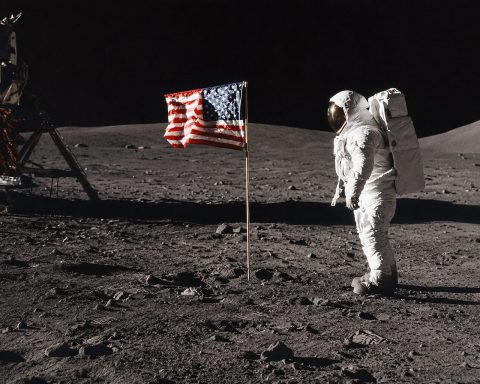
NASA announced Wednesday it’s set to host a May 26 briefing at headquarters, focusing on Moon Base plans, fresh industry partners, and updated mission timelines. According to the agency, Moon Base aims to establish a lasting human presence and kickstart commercial activity at the lunar South Pole.
Pressure ratcheted up after Artemis II came back in April. NASA reported the crew landed near San Diego following a mission that lasted almost 10 days and pushed out to 252,756 miles from Earth—the most distant journey ever for humans. Isaacman scored on both political and technical fronts, but the clock started ticking again.
For months, Isaacman’s hammered away at his core point. At NASA’s “Ignition” event back in March, he argued the new space race is on a timeline of “months, not years.” NASA, for its part, laid out plans for more frequent lunar trips, greater reliance on commercial equipment, and a clear tilt toward building out surface infrastructure. NASA
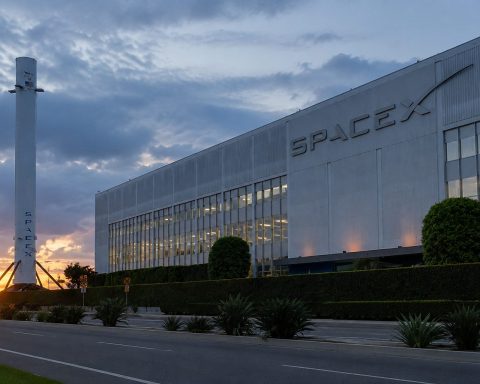
SpaceX and Blue Origin now anchor the timeline. NASA is counting on Artemis III to try out commercial lunar landers from one or both firms in low Earth orbit. Last month, Isaacman said lawmakers were told NASA got replies from both companies regarding a planned docking and interoperability demo for late 2027.
NASA is moving to tighten its focus, zeroing in on specific engineering challenges for industry. On May 20, the agency put out its 2026 Civil Space Shortfall Ranking—drawing on input from 454 external respondents. Leading gaps: long-duration lunar operations, surface mobility and logistics, plus onboard advanced computing.
Corey Smith, who leads nuclear engineering at Analytical Mechanics Associates—an engineering services outfit partnered with NASA—said he’s glad to see urgency injected into space tech, a sector he thinks has lagged for too long. “A little push in the right direction is very positive,” Smith told Aerospace America. Aerospace America
China is the main rival here. Last month, Reuters said the country is pushing to put astronauts on the moon by 2030—a timeline that analysts aren’t dismissing. “Very plausible,” said Clayton Swope, deputy director at the Center for Strategic and International Studies’ Aerospace Security Project, when asked about the 2030 ambition. Reuters
Still, NASA’s quicker approach isn’t without its weaknesses. Back in March, Reuters pointed out that both SpaceX and Blue Origin have lagged on their lunar lander projects. NASA’s inspector general has SpaceX running two years late, and both firms are wrestling with tough engineering problems before they can send people to the moon.
Money remains up in the air. The administration put in a request for $18.829 billion for NASA in fiscal 2027. On the other side, House appropriators are sticking with $24.438 billion—the level set for fiscal 2026—so the agency’s final budget will be decided by Congress.
Isaacman’s pitch to the sector wasn’t centered on just one big breakthrough. Instead, he pushed for more frequent tests, a quicker tempo on landers, tightening the intervals, and dropping the excuses. NASA, while continuing to rely on commercial partners, is starting to make it clear—it wants a tighter grip on hardware and isn’t as tolerant of holdups.