
NEW YORK, May 21, 2026, 14:05 EDT
- SpaceX’s IPO paperwork laid bare more substantial financial links to Tesla, fueling investor chatter about a possible merger down the line.
- Boeing’s record order book hasn’t translated into positive free cash flow yet, and its commercial aircraft division is still posting losses.
- The main question now isn’t about a deal. It’s whether Musk can channel both capital and contracts from his companies to a single platform.
SpaceX’s public IPO filing has kicked market talk of a potential Tesla-SpaceX merger into higher gear—and raised a tougher question for Boeing: just how much strain can the aerospace company handle across space, defense, and the capital markets all at once?
Boeing’s timing couldn’t be tougher. The company is still trying to fix its balance sheet and ramp up output after years of setbacks, just as SpaceX is gearing up for what may become the biggest IPO ever. SpaceX is pitching itself as more than a rocket outfit—a broader play on space, satellites, and artificial intelligence. According to Reuters, SpaceX is aiming for a valuation near $1.75 trillion, with a listing possible as soon as June 12.
Boeing could be the hardest hit among established aerospace players if Tesla and SpaceX ever merged, according to a 24/7 Wall St. analysis out Wednesday. The report points to Boeing’s overlapping businesses with Elon Musk’s companies—crew transport, satellite work, government launches—as well as its 50% partnership with Lockheed Martin in United Launch Alliance. For now, the piece notes, talk of a merger is still speculative.
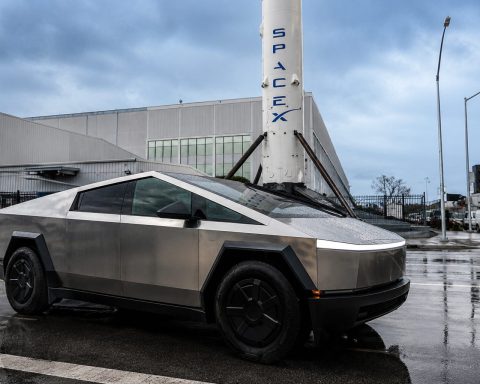
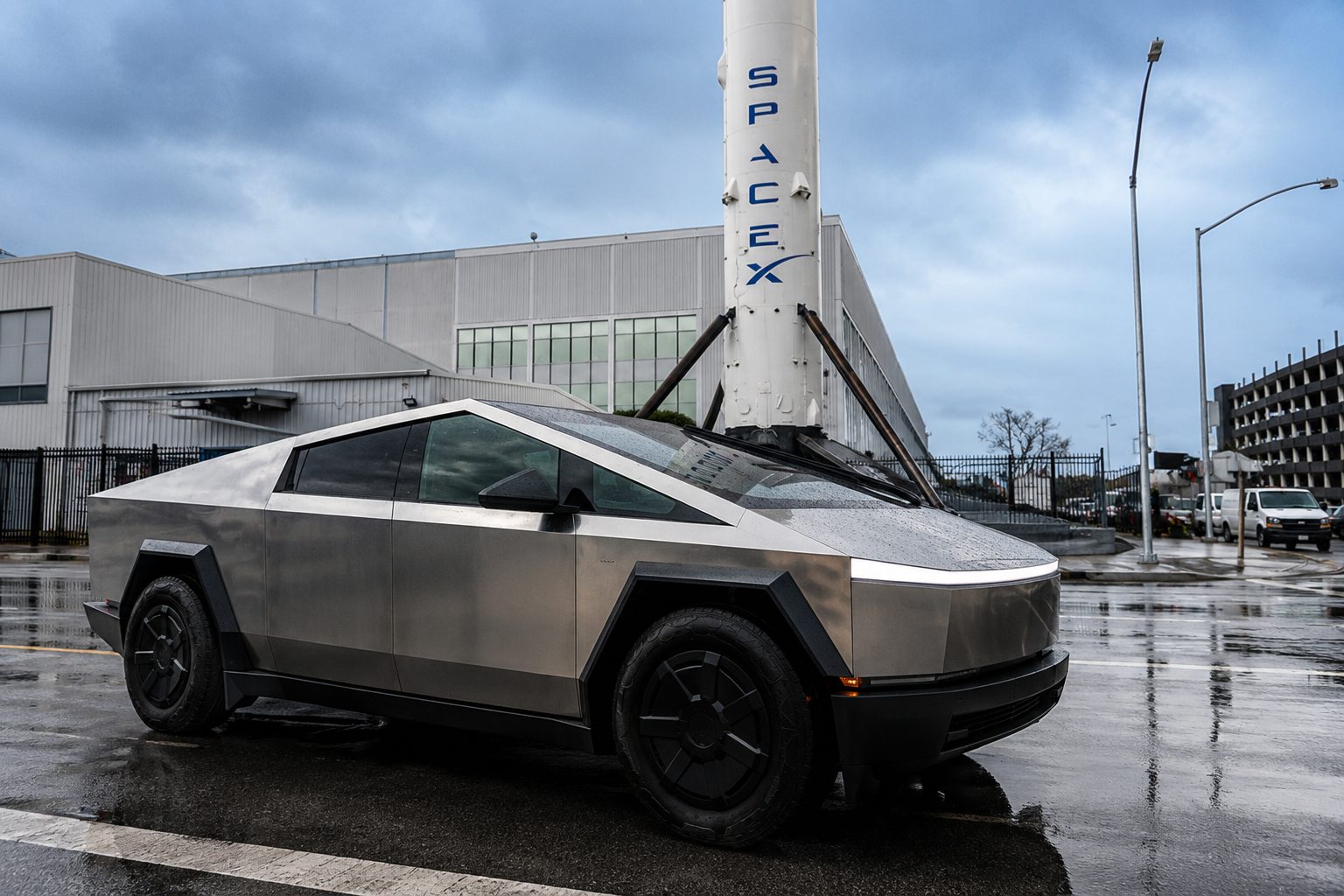
SpaceX’s filing, for its part, threw more kindling on the fire. According to Reuters, the prospectus revealed SpaceX and its xAI unit snapped up roughly $650 million worth of Tesla goods and services last year—$506 million went to Megapack batteries, another $131 million for Cybertrucks. Tesla itself holds close to 19 million SpaceX Class A shares, less than a 1% stake post-offering.
Dan Ives, who runs tech research over at Wedbush Securities, told Reuters in an “Instant View” statement he sees a scenario where SpaceX and Tesla “eventually merge into one company in 2027.” According to Ives, Elon Musk wants a bigger piece of the AI pie — more ownership, more control over the ecosystem. Dennis Dick, proprietary trader with Triple D Trading, sounded less enthusiastic, suggesting the IPO just gives markets “another way to play Elon Musk,” and it might actually take some attention away from Tesla. Reuters
Boeing isn’t worried about Tesla’s cars—it’s SpaceX that’s the real threat, having already muscled into orbital launches and crewed missions. Tesla, for its part, offers serious muscle in manufacturing, battery tech, and hefty AI budgets. AI—artificial intelligence—covers software and computing that handle jobs people typically do, things like planning, automation, and spotting patterns.
Boeing’s results paint a mixed picture: first-quarter revenue climbed 14% to $22.2 billion, with the backlog hitting a record $695 billion. Still, core loss per share came in at 20 cents, free cash flow sank $1.5 billion into the red, and Commercial Airplanes booked a negative operating margin of 6.1%. “Building on our momentum” remains the line from CEO Kelly Ortberg, who pointed to ongoing attention on safety and quality. Boeing Investors
Offsetting some of the losses, China announced plans this week to purchase 200 Boeing jets and is looking to extend its trade truce with the U.S., according to Reuters. That move cracks open a door for Boeing, which has seen Airbus make strides in China while trade disputes and safety issues kept it out of the running. The catch: the order falls well short of the roughly 500-jet deal many had anticipated.
Boeing slipped about 1.1% to $219.78 in early afternoon New York action. Tesla, on the other hand, picked up 1.1%, trading at $421.96. Traders aren’t jumping on the idea of a Tesla-SpaceX merger just yet, but they are busy recalibrating the Musk-linked stocks after the IPO filing.
The competition isn’t broad, but it matters. Boeing and Lockheed’s ULA still handles Pentagon launches, and Blue Origin now joins SpaceX and ULA among those landing U.S. national security contracts. SpaceX, though, keeps coming out ahead, snapping up the bulk of sophisticated launch assignments—a shift for a sector where established players once enjoyed heavier safeguards.
The thesis is outpacing reality here. There’s no word of a Tesla-SpaceX merger, SpaceX’s valuation remains under the microscope, and the filing laid bare significant losses, governance constraints, plus substantial related-party commitments. “There is no peer group for comparison,” Georgetown finance professor Reena Aggarwal told Reuters, underscoring the challenge of valuing SpaceX. Reuters
Boeing’s challenge gets narrower, though not really lighter. Forget waiting for a Musk megamerger—pressure is already on. The company has to prove its commercial jet turnaround, defense profitability, and space operations can hold steady, all while investors now have a fresh, public channel to back Musk’s aerospace vision.