
WASHINGTON, May 25, 2026, 17:02 EDT
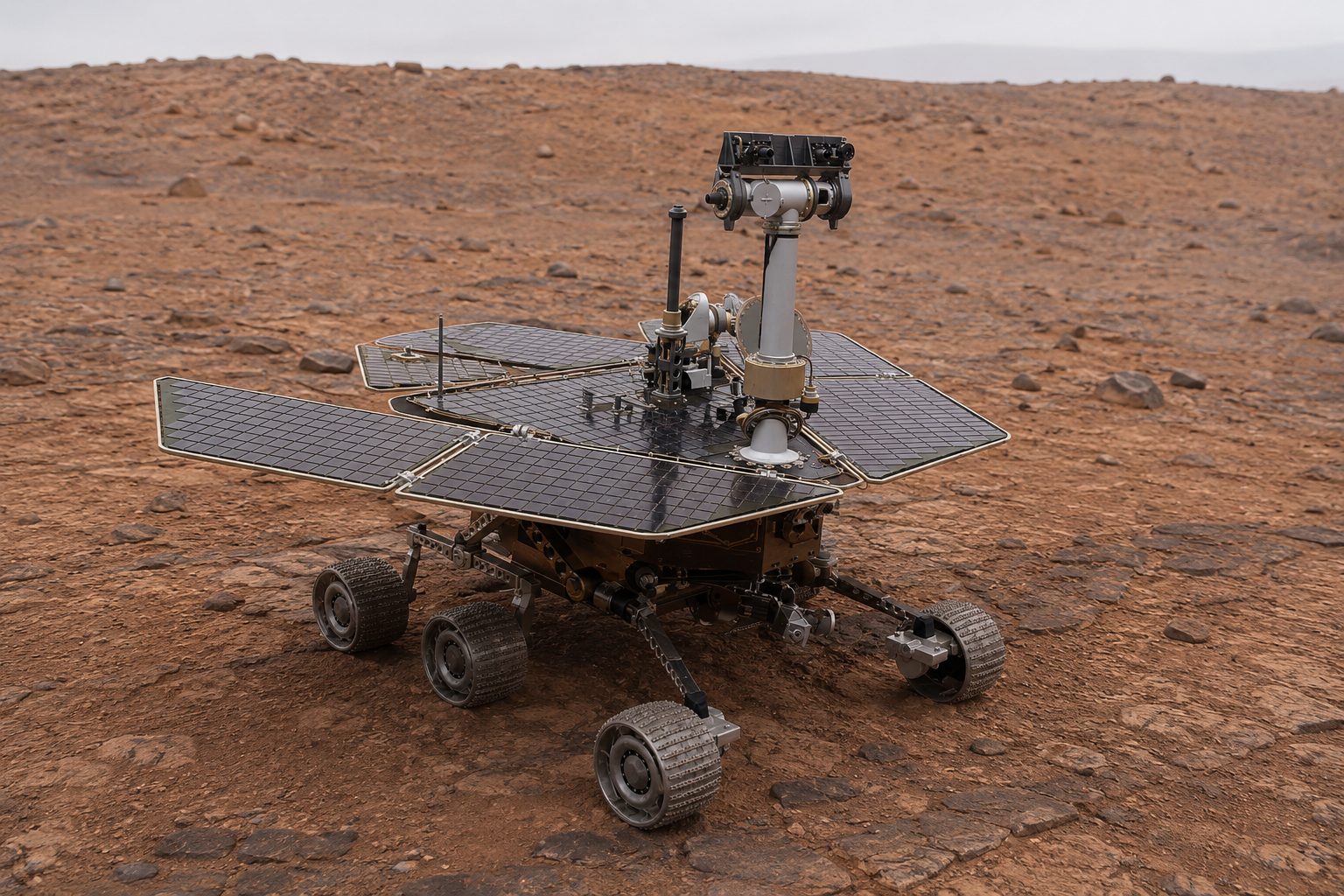
NASA’s Perseverance rover is closing in on a Martian marathon, clocking 26.09 miles (41.99 km) on its latest mission update—just shy of the 26.22-mile mark.
The mileage figure is mostly just a milestone. The key story: Perseverance is now exploring ground beyond Jezero Crater, an area believed to contain rocks dating back over 4 billion years—remnants from Mars’ early days, when similar rocks on Earth were largely wiped away.
Perseverance has shifted beyond the old lake bed, moving into what NASA describes as its northern rim campaign. The rover is targeting Mars’ older crust now, drilling and packing away more sample tubes for a potential Earth return.
NASA’s car-sized rover touched down in Jezero crater on Feb. 18, 2021. Scientists picked the site for its long-gone water and the traces of an ancient river delta—prime real estate for catching evidence of any ancient microbes. The old lakebed and eroded shoreline there could still hold preserved signs of former life, if any ever existed.
Katie Stack Morgan, project scientist for Perseverance at NASA’s Jet Propulsion Laboratory, described the ongoing research as “a whole new ballgame.” She pointed out that the ancient rocks might shed light on big-picture questions about Mars’ distant past. NASA reported the rover has abraded 62 rocks, drilled out 27 core samples, and logged nearly 26 miles since it landed, now over five years ago. NASA
The rover’s main prize at this point: its collection of samples. NASA’s latest catalog shows 30 out of 38 sample tubes filled, along with three of five witness tubes—these act as checks for contamination from the rover itself—now sealed.
Perseverance is on track to top marathon mileage in the next month, mission manager Robert Hogg told Reuters. The rover’s health looks good, according to Ken Farley, Caltech’s deputy project scientist, though he pointed out, “the duration of the mission will depend on choices NASA makes.” Reuters
The science isn’t settled yet. According to Farley, researchers are waiting on “analysis in terrestrial laboratories” of a crucial sample—a reddish lakebed rock that might show traces of ancient microbes—before drawing any firmer conclusions. A potential biosignature, he added, could point to life, or just as easily be created by non-biological processes. Reuters
Perseverance is clocking faster speeds than the other rovers, though it hasn’t caught up on mileage yet. Curiosity keeps working over in Gale Crater, while Opportunity still claims the distance crown—28.06 miles during its 2004-2019 run. Perseverance’s helicopter companion, Ingenuity, wrapped up its work after 72 flights.
Still, the biggest question remains unresolved: how to bring those rocks back. JPL continues to categorize Mars Sample Return as a proposed mission, with its launch date still up in the air. Returning Martian samples would require both new robotic hardware and a dedicated Mars ascent rocket, according to the agency.
NASA calls Mars Sample Return its boldest joint effort yet with the European Space Agency—one that would return handpicked Martian material to Earth for the first time. Perseverance keeps drilling and rolling across the planet, but until those samples come back, the most definitive checks for ancient life are still off the table.