
BEIJING, May 28, 2026, 03:05 (China Standard Time)
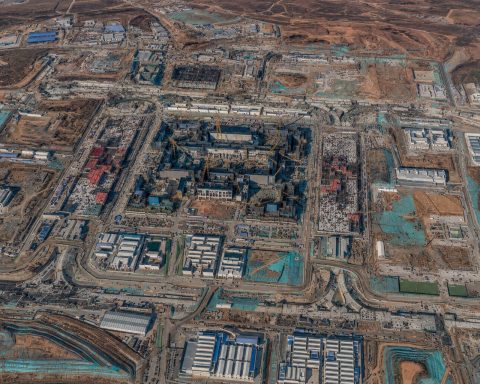
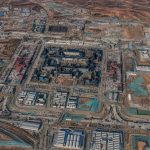
China’s reported construction of a vast, partly underground military command complex southwest of Beijing is drawing fresh attention as tensions around Taiwan harden and Washington’s support for Taipei faces new questions. A May 20 Futura Sciences report described satellite imagery showing a large underground military site near the Chinese capital, a project it said had stirred global security concerns.
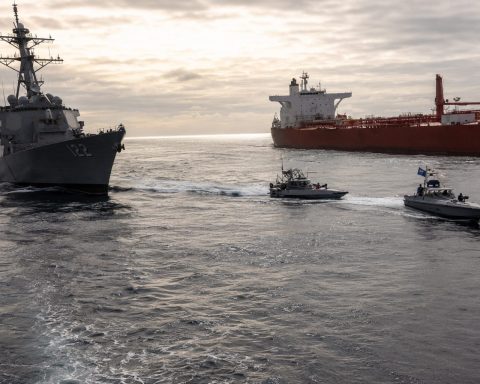
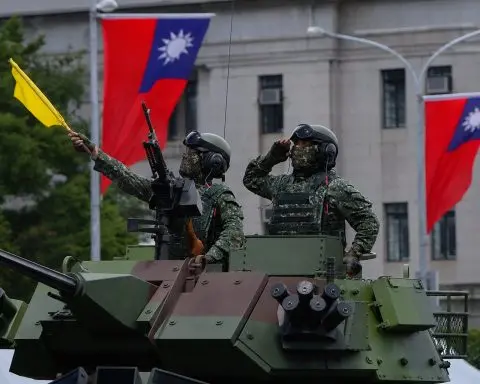
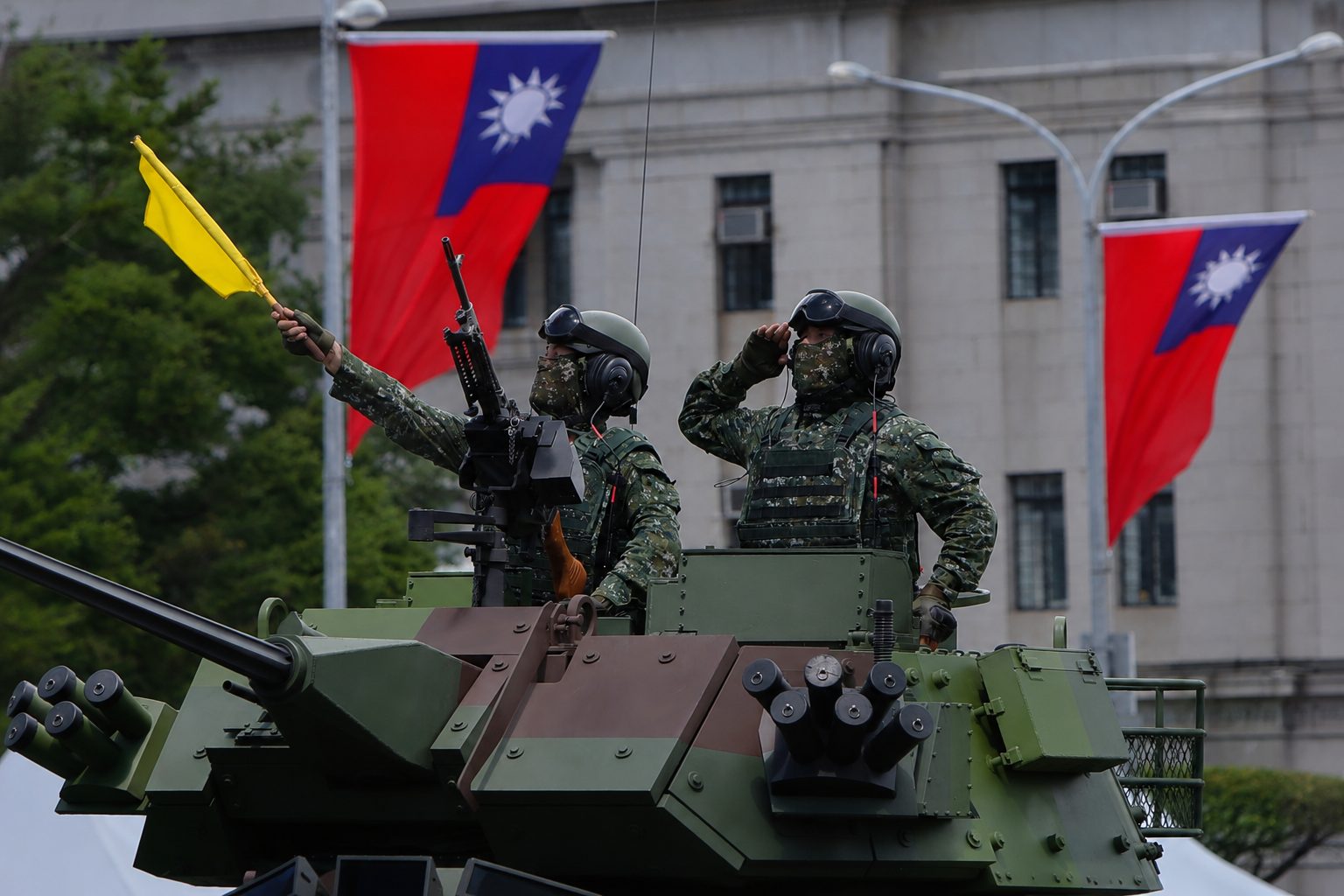
It matters now because Taiwan this week sent ships and fighter jets to monitor what it called a second Chinese “joint combat readiness patrol” in a week — a patrol meant to show forces are ready to fight. Reuters reported Taiwan detected 21 Chinese aircraft, including J-16 fighters and drones, and warships around the island; Su Tzu-yun of Taiwan’s Institute for National Defence and Security Research said ship-launched cruise missiles operating close to Taiwan could “temporarily paralyse Taiwan.” Reuters
The timing also lands as the Trump administration faces questions over a paused $14 billion arms package for Taiwan. Rupert Hammond-Chambers, president of the U.S.-Taiwan Business Council, told the Guardian that tying the pause to the Iran war “makes no sense,” while Jamestown Foundation President Peter Mattis said the Taiwan arms issue and the Gulf conflict should be treated as “separate issues.” The Guardian
The site itself is not new, but its scale is the point. Business Insider, citing satellite imagery and earlier reporting by the Financial Times, placed the construction area about 20 miles southwest of Beijing and said major work appeared to begin in mid-2024 on a site that could span roughly 1,500 acres, with analysts dubbing it “Beijing Military City.” Business Insider
Newsweek reported that the site sits in the Qinglonghu area and could be nearly 10 times the size of the Pentagon if assessments prove right. It cited earlier analysis that found deep pits and underground infrastructure; Michael Beckley, a Tufts University political scientist, said Xi Jinping has spoken of facing “all-around encirclement by the West,” and that the facility looked like an effort to build “a fortress” around China and its leader. Newsweek
Command-and-control sites are the nerve centers of a military. In plain terms, they are the protected rooms, data links, radios, cables and backup systems that let leaders keep giving orders if regular headquarters are hit. A hardened bunker means a reinforced, often buried space built to survive attack.
That is why Washington would watch such a project closely. Reuters reported in March that China planned to lift defense spending by 7% in 2026, even as its economy slowed, while Premier Li Qiang said Beijing would build “advanced combat capabilities” and maintain Communist Party control over the armed forces. Reuters
The nuclear backdrop is sharper. Reuters reported in December that a draft Pentagon report put China’s nuclear warhead stockpile in the low 600s in 2024 and said it remained on track for more than 1,000 warheads by 2030; China’s embassy said Beijing keeps a defensive nuclear strategy and maintains its forces at the minimum level required for national security.
The Taiwan pressure is not only in the air. Reuters also reported a Chinese coast guard ship left waters near the Taiwan-controlled Pratas Islands after a tense standoff; Taiwan’s Joseph Wu said about 100 Chinese ships were operating along the first island chain, the arc running from Japan through Taiwan toward the Philippines.
But the central risk in the Beijing site story is uncertainty. Satellite images can show excavation, tunnels, roads and access controls. They cannot prove the final mission of a facility, who will command from it, or how China would use it in a crisis.
That cuts both ways. If the site is misread, officials could overstate the threat and fuel another round of military spending. If the site is exactly what analysts fear, it suggests Beijing wants a command structure able to ride out a major strike and keep fighting.
For now, the stronger fact is the pattern: more Chinese military movement near Taiwan, more attention on U.S. weapons support, and a large protected site rising outside Beijing. The bunker may be buried, but the signal is not.