
New York, May 27, 2026, 14:08 EDT
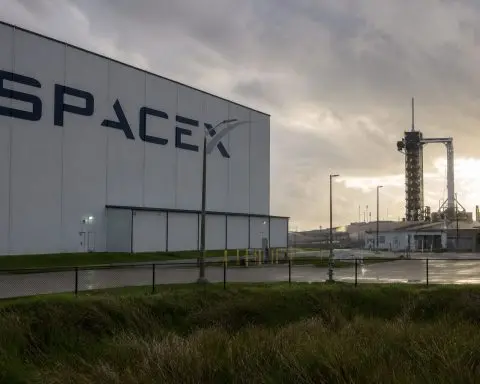
SpaceX’s anticipated $1.75 trillion public debut is facing fresh turbulence after U.S. regulators told the company to probe a Starship booster accident, even as Jeff Bezos pointed to a much bigger future for the space sector. On Wednesday, the Federal Aviation Administration directed SpaceX to investigate why its Super Heavy booster crashed into the Gulf of Mexico following stage separation during a May 22 test.
The calendar is tight. SpaceX plans to kick off its investor roadshow — those pre-IPO pitch sessions — on June 4, according to Reuters. The share sale could hit as soon as June 11, with a possible listing following right after, on June 12. FTSE Russell, for its part, noted that SpaceX might jump straight into key Russell and FTSE indexes post-offering. That would open the door for a wave of passive funds, since so many track those indexes.
The IPO would gauge whether public investors are ready to back a space company that already leads in launches and satellite internet, even as it touts big future opportunities that’ll require heavy engineering. According to analysts, major mutual and index funds have started lining up for the potential debut of SpaceX and other mega-cap names—benchmark rules can mean funds have to snap up shares when a company goes public.
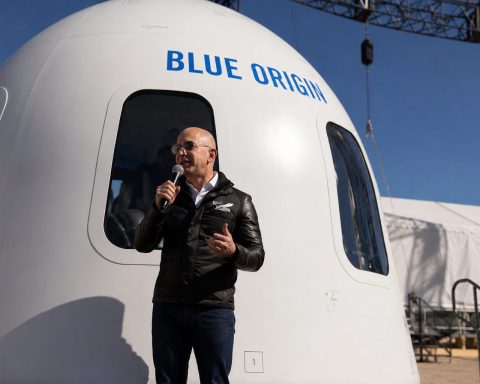
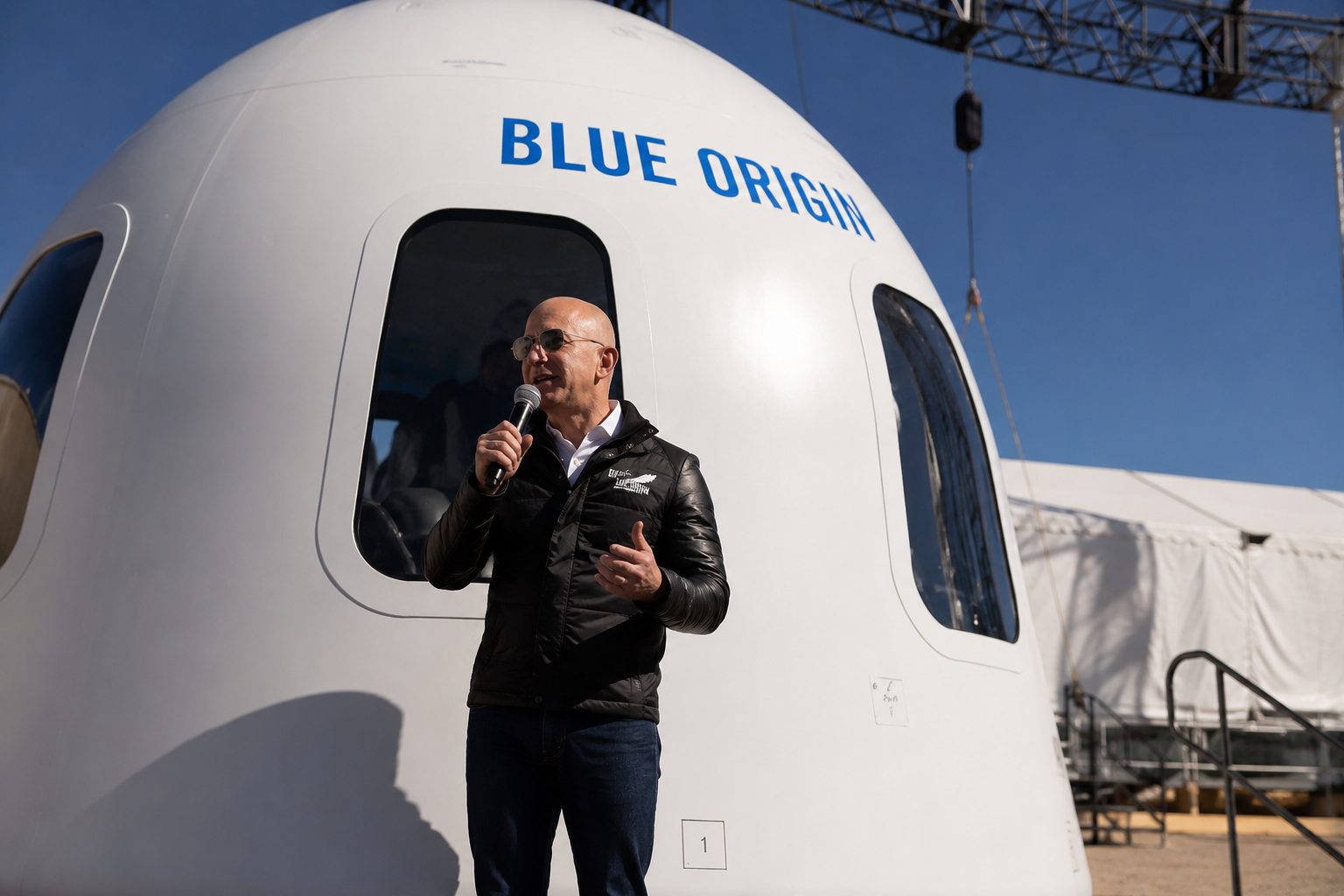
Amazon and Blue Origin founder Jeff Bezos wouldn’t weigh in on whether SpaceX merited a $1.75 trillion, $2 trillion, or even lower valuation, telling CNBC last week he’s not familiar enough with the company’s financials to say. “Space is going to be a gigantic industry,” Bezos added, speaking from Blue Origin’s rocket factory in Merritt Island, Florida. Versant Press Room
SpaceX’s latest filing paints a clear picture: the company is doubling down on its strategy. Starlink, the satellite internet arm, delivered a $1.19 billion operating profit for the first quarter. Still, SpaceX as a whole swung to an operating loss of $1.94 billion on $4.69 billion in revenue—Reuters notes the AI division alone ran up $2.47 billion in losses. The filing also revealed that Musk will hang on to 85.1% of the combined voting power.
Both parties in the ongoing dispute found material in the May 22 Starship test. SpaceX managed to send up mock satellites and executed a controlled splashdown in the Indian Ocean, yet the booster didn’t complete a safe landing. The FAA noted there were no public injuries or property damage, adding it will sign off on SpaceX’s final investigation report and whatever corrective steps are needed.
“SpaceX did not need perfection from this Starship flight,” said Mark Vena, CEO at SmartTech Research, in comments to Reuters. “It needed proof that the upgraded vehicle is moving in the right direction.” For James Bruegger, chief investment officer at Seraphim Space, the real value is all about full reusability—he argues that’s the key to drastically lowering launch costs. Reuters
For investors, that’s where it all pivots. Starship sits at the core of SpaceX’s ambitions: slashing launch expenses, scaling up Starlink, and putting serious AI computing power in orbit — on satellites or full-on space platforms — not to mention future trips to the moon and Mars. SpaceX has already poured over $15 billion into Starship’s development, according to Reuters.
Blue Origin is making its case: the lunar market doesn’t belong to just one player. On Tuesday, NASA announced it’s granting Blue Origin $188 million—plus a $280.4 million option—to send lunar terrain vehicles down to the moon’s south pole, using the Blue Moon Mark 1 lander. Astrolab and Lunar Outpost were also tapped, with contracts of $219 million and $220 million respectively, both tasked with building and delivering the first phase of these vehicles. For Jeff Bezos’s Blue Origin, the government deal adds fresh momentum as SpaceX pushes closer to public markets.
The spillover effect is apparent. Shares of publicly traded U.S. space firms moved higher on Wednesday, with investors shifting their attention from SpaceX itself to other names in the industry. Peter Andersen, who runs Andersen Capital Management, pointed out that the prospect of a SpaceX IPO has spotlighted space travel and the sector’s broader infrastructure. Trading in Rocket Lab and Planet Labs was choppy following their earlier jumps, but Intuitive Machines, AST SpaceMobile, and Virgin Galactic all posted gains, according to Reuters.
Still, the risks loom large. The FAA’s ongoing probe could push back the next Starship launch if it determines that safety systems or procedures require updates. SpaceX has already cautioned that any holdups or budget overruns might slow the rollout of its upcoming satellites and AI infrastructure. “They need to demonstrate consistent launch, payload deployment, and booster and vehicle recovery to credibly scale out orbital data-center networks,” Austin Moeller, managing director of equity research at Canaccord Genuity, told Reuters. Reuters
Right now, Bezos’s argument and Musk’s IPO narrative are circling the same central issue: can space shift out of a government-dominated engineering contest and into the realm of the public markets? SpaceX will start testing investor appetite for that idea next week as it kicks off its pitch.