
Washington, May 27, 2026, 13:09 (EDT)
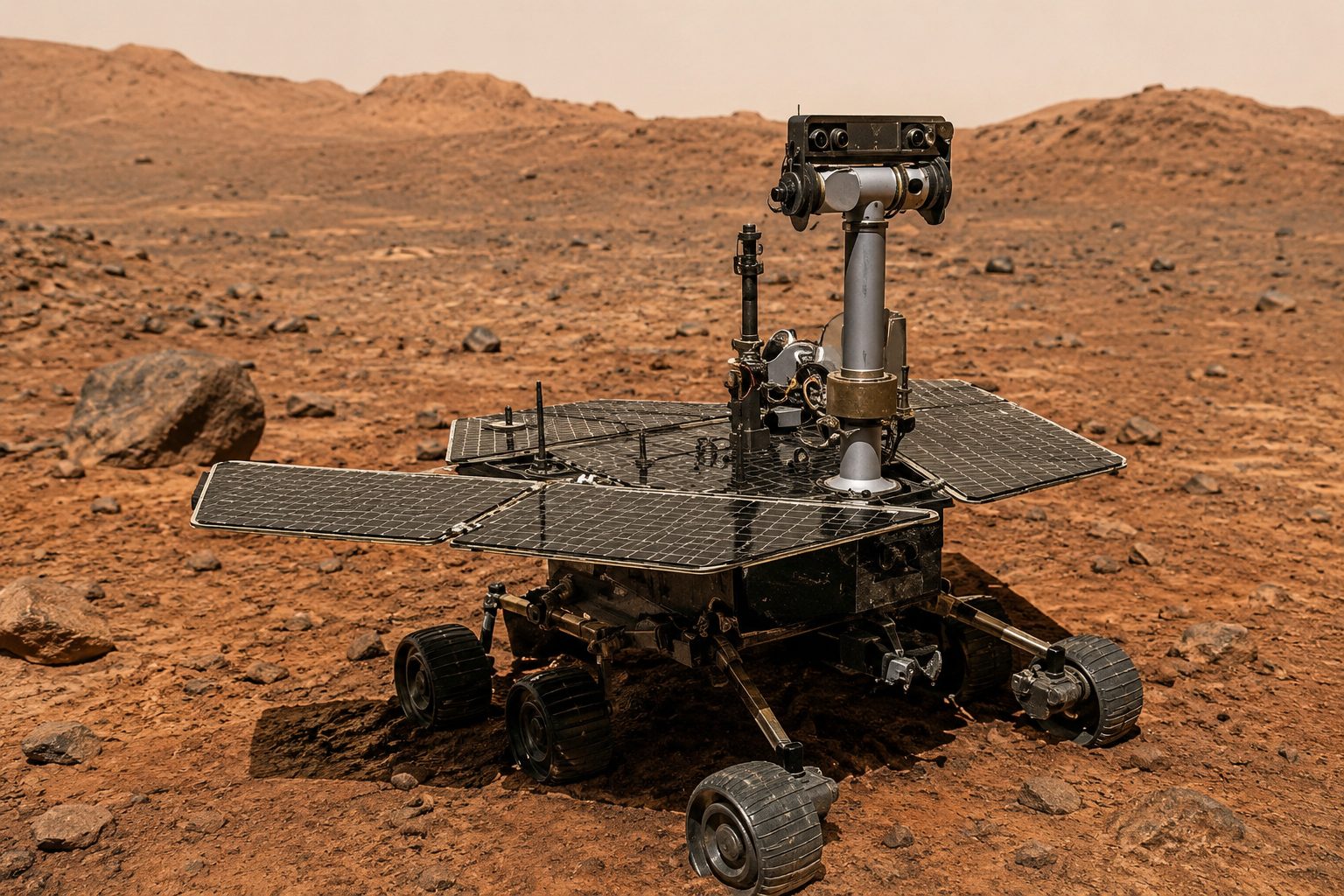
On May 25, NASA’s Perseverance rover sent back fresh snapshots from Mars as it approached a marathon’s worth of ground covered—a milestone for the vehicle, still rolling after more than five years on the planet. The newest batch of raw shots features navigation- and hazard-camera frames from Sol 1870, a Martian day.
The milestone lands just as Perseverance rolls out of Jezero Crater—once home to an ancient lake—into even older Martian ground. Scientists are eyeing this new terrain for clues about the planet’s early days. It’s more than just a mileage update: the rover now has access to previously unsampled ground.
Inside those titanium tubes is the real target. NASA has Perseverance hunting for evidence of ancient microbial life, scooping up rock and regolith—basically, fragments and dust—for a potential trip back to Earth. Only labs here can run the kind of tests the rover can’t handle out on Mars.
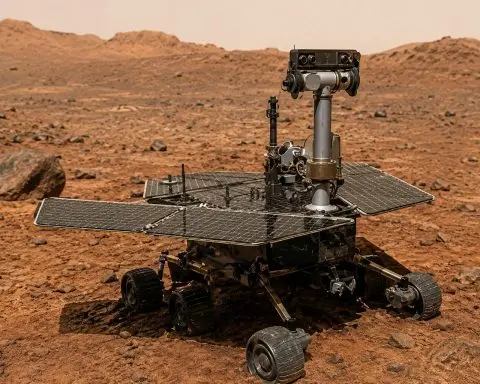
Perseverance has logged 26.09 miles (41.99 km) so far—just shy of the classic 26.22-mile marathon, and mission manager Robert Hogg expects the rover to hit that mark within the coming month. Curiosity, NASA’s other Mars rover still operating, has covered 22.93 miles. Opportunity holds the Martian record, clocking in at 28.06 miles.
NASA’s May update places the rover deep into its fifth science phase—the Northern Rim Campaign—working near Lac de Charmes and Arbot. “It’s a whole new ballgame,” said Katie Stack Morgan, Perseverance’s project scientist at the Jet Propulsion Lab, referring to the hunt for ancient rocks. Ken Farley at Caltech added that this terrain could reveal some of “the oldest rocks” the team will see during the mission. NASA
NASA reports the rover has ground down 62 rocks and gathered 27 rock cores so far. To abrade, engineers use the rover’s tool to scrape off just enough surface for its instruments to examine fresh rock—helping the team decide when to drill deeper.
NASA stitched together 46 Mastcam-Z shots from April 5 to create a panorama at Arbot, capturing rugged rock surfaces and windblown terrain as Perseverance ventured farther west into Jezero. The agency also put out both natural-color and 3D takes on the scene.
But there’s a significant catch in the science argument. NASA announced in January 2025 that it would move forward with two competing Mars Sample Return landing concepts, with plans to settle on a final design sometime in the back half of 2026. Any hold-up or need to rework the plan means Perseverance’s top sample tubes could end up sitting on Mars for even longer.
NASA and the European Space Agency call Mars Sample Return a future campaign aimed at delivering handpicked Martian samples to Earth—a first. So, it’s not Perseverance’s odometer that counts most, but rather what’s already in its cache, even if covering more ground does boost the odds of grabbing higher-quality rocks.
Right now, the rover’s routine hasn’t changed: taking pictures, grinding rocks, running tests, then inching forward. The next milestone could take a while, but the main question — if ancient, watery Mars ever preserved proof of life — remains Perseverance’s real challenge.