
PASADENA, California, May 29, 2026, 09:06 PDT
- NASA’s Perseverance rover has clocked 26.09 miles across the Martian surface, falling just shy of marathon distance.
- Perseverance hit the milestone while examining ancient rocks outside Jezero Crater.
- Distance isn’t the main hurdle. The real challenge is getting those Mars samples safely back to Earth.
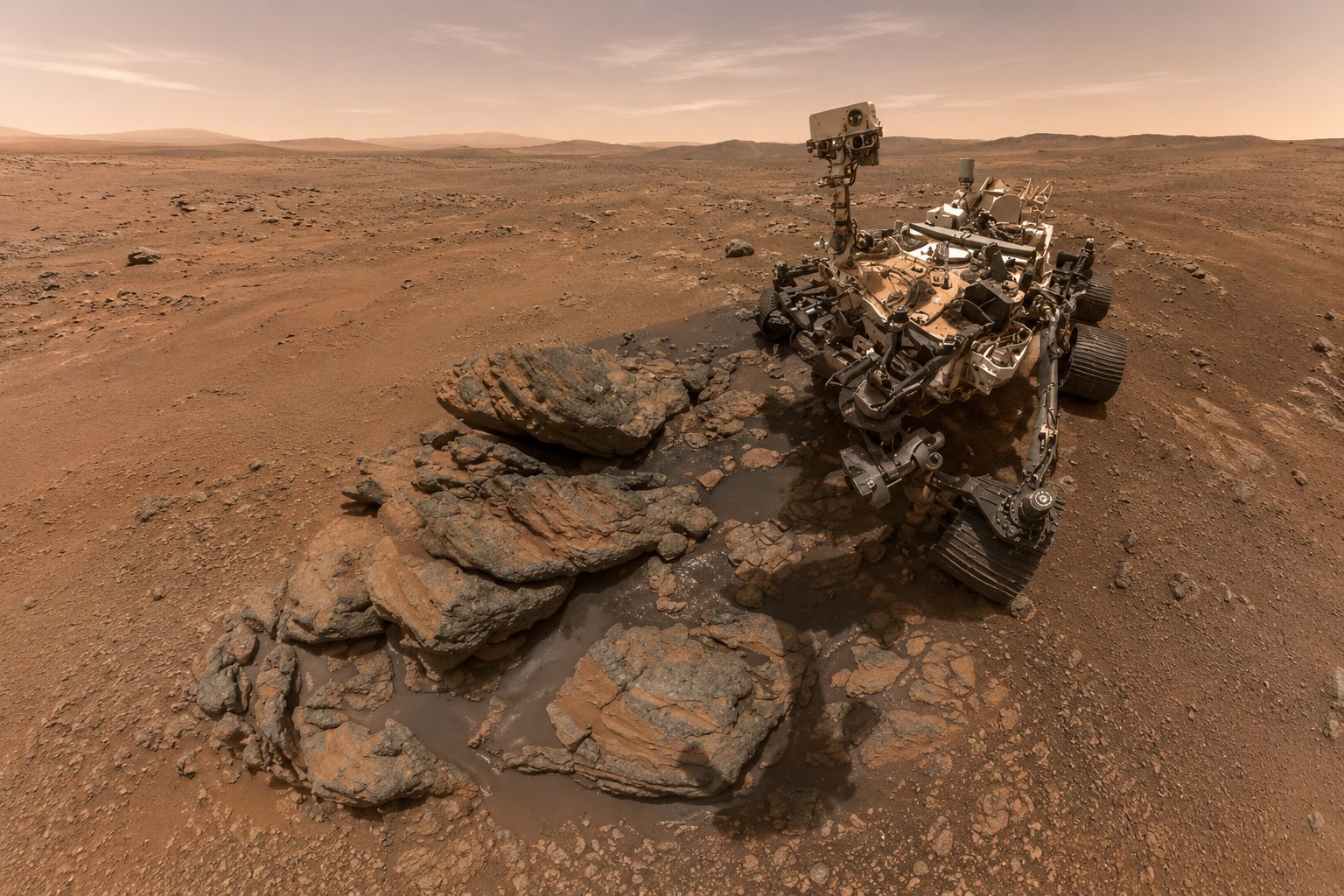
NASA’s Perseverance rover is just shy of notching a marathon on Martian soil, tallying 26.09 miles—41.99 kilometers—since its 2021 touchdown. Only a handful of weeks left before it breaks the 26.22-mile threshold. “We expect it to hit that mark in about a month,” Perseverance mission manager Robert Hogg told Reuters. Reuters
The odometer’s back in play for Perseverance, and not just for the numbers. NASA’s rover has pushed west, heading out to the rim of Jezero Crater—where it’s now poring over rocks thought to date back to an earlier Martian era, much older than the ancient lakebed and river outflow it was sent to analyze.
NASA’s Jet Propulsion Laboratory reports Perseverance has scraped 62 rocks and tucked away 27 rock cores into its sample tubes, covering nearly 26 miles since landing over five years ago. “We’ve almost reached marathon distance,” acting project manager Steve Lee said. The rover, he added, was “in great shape.” NASA
Here’s the pitch from scientists: Jezero Crater had water, which ticks a key box for life as we know it. NASA’s stated goal for the rover is to hunt for traces of ancient life and gather rock and regolith—essentially broken stones and dust—for a potential trip back to Earth.
Perseverance has been key to clarifying the Martian landscape. Back in March, scientists reported that its ground-penetrating radar turned up remnants of an ancient river delta, estimated to be between 3.7 and 4.2 billion years old. Here, a biosignature refers to chemical or physical traces that might indicate life, either past or present.
The rover has shifted focus to rocks beyond Jezero that researchers believe could date back over 4 billion years. According to Ken Farley, Perseverance’s deputy project scientist at Caltech, the latest images reveal what are “likely the oldest rocks” targeted on this mission—potentially exposing some of Mars’s early crust. NASA
The real payoff is bigger. On Earth, plate tectonics and weathering have wiped away most ancient rocks, but Mars managed to hang onto much more of its original surface. If the rover gets a clear read on those layers, scientists could get a shot at testing what Mars looked like back when life was just starting out on Earth.
There’s a hitch here. While rover instruments are able to spot intriguing chemical signatures, they aren’t equipped to answer the big question about life on their own. NASA’s Mars Sample Return is still just a concept for a future mission—its goal: deliver Perseverance’s collected samples back to Earth. Until then, the most advanced analyses remain inaccessible.
NASA’s inventory lists 30 out of 38 sample tubes collected so far, and three out of five witness tubes sealed. Those witness tubes, designed to catch any contamination from the sampling process—mundane but important, especially if there’s ever a debate about whether a detected signal really came from Mars or just from the rover’s own gear—are a key safeguard.
Perseverance is equipped with upgraded driving tools designed to keep it rolling. Back in February, JPL highlighted Mars Global Localization—a system that allows the rover to compare what its cameras see against orbital maps, pinning down its own location instantly. No need to wait on Earth-bound instructions, which can lag by a whole Martian day.
Perseverance still trails a rival when it comes to mileage. Opportunity racked up 28.06 miles before shutting down in 2019. Curiosity, which remains operational at Gale Crater, has covered 22.93 miles so far, according to Reuters.
Crossing the marathon mark won’t confirm Martian life. What it does: five years on, Perseverance keeps rolling, healthy enough to nudge ancient rocks into sampling range. The rover’s tubes? Still filling — and, possibly, worth much more than just a new entry in the mileage log.