
WASHINGTON, May 29, 2026, 19:03 EDT
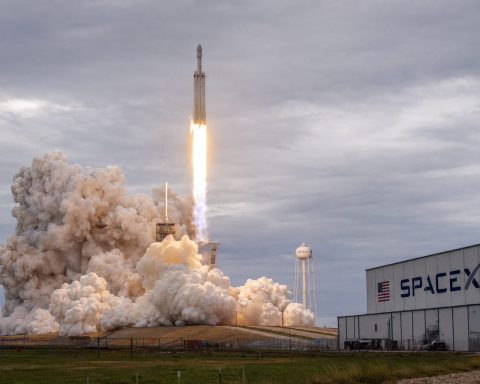
- SpaceLogistics, a Northrop Grumman unit, is gearing up to send a DARPA-supported robotic servicing craft into orbit this summer. The launch? It’s booked on a SpaceX Falcon 9.
- This mission targets geosynchronous orbit, a place where expensive satellites are largely out of luck when it comes to inspections, repairs, or upgrades after problems arise.
- U.S. Space Force is running tests to see if commercial companies can handle refueling, tugs, and repairs for potential military space missions, and this flight is part of that push.
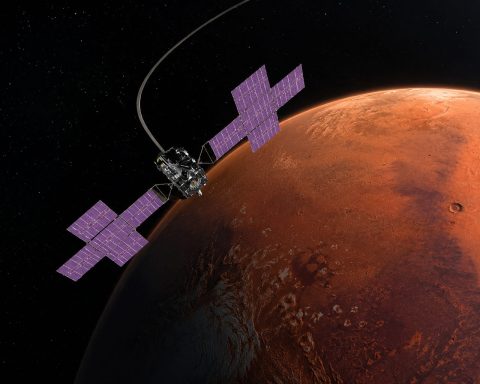
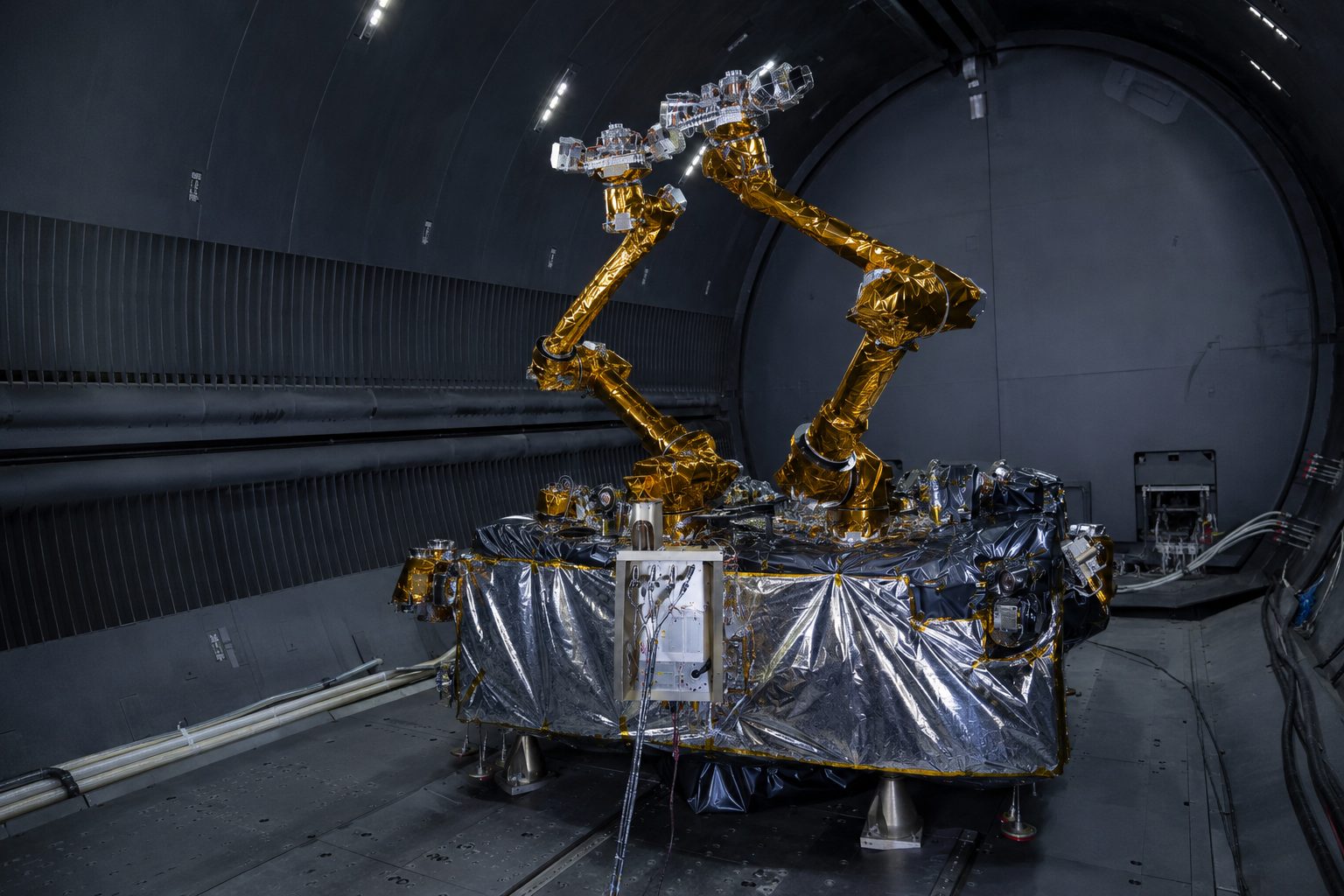
Northrop Grumman’s SpaceLogistics is set to finally send a robotic servicing spacecraft into orbit for DARPA later this summer, tackling repairs and life extension work some 22,000 miles up. SpaceLogistics president Robert Hauge said the vehicle is “manifested” for launch on a dedicated SpaceX Falcon 9, carrying three Mission Extension Pods. If successful, this mission would mark the “United States first robotic servicer,” Hauge told reporters. Breaking Defense
The timing is key here: both satellite operators and the U.S. government want to break out of the old routine of using pricey GEO spacecraft once and then tossing them. In geosynchronous Earth orbit, satellites stay in lockstep with Earth’s rotation, holding steady over specific areas. DARPA’s Mission Robotic Vehicle aims to change the equation, offering upgrades, inspections, troubleshooting, and even moving other satellites.
The GEO market runs up against a simple limit—when a satellite burns through its fuel or its payload gets old, operators don’t have many choices. According to DARPA, there are hundreds of satellites—military, government, commercial—out at GEO, but the sheer distance complicates any attempt at inspection, troubleshooting, or repairs.
This spacecraft, designed for DARPA’s Robotic Servicing of Geosynchronous Satellites program, brings together a DARPA-built robotic payload and a commercial bus supplied by SpaceLogistics, a Northrop Grumman subsidiary. James Shoemaker, who manages the program for DARPA, described the effort as a “government-private partnership” intended to demonstrate that GEO servicing can work as a business model for both the U.S. government and private customers. Darpa
According to company officials, the MRV is set to feature two robotic arms, along with sensors and interfaces essential for rendezvous, proximity maneuvers, and docking—steps critical for operating alongside another satellite. “The current toolkit for space problems is very, very limited,” said Ryan Tintner, who leads Northrop’s Space Superiority Division as vice president and general manager. Via Satellite
Once launched, the vehicle faces a roughly 10-month trip to GEO, relying on electric propulsion. Its initial assignments: attaching Mission Extension Pods—these are compact propulsion units Hauge likens to “jet packs”—onto client satellites, extending their service lives by several years for station-keeping. Air Space Forces Magazine
Northrop points to its Mission Extension Vehicle line as the backbone of SpaceLogistics’ current in-orbit servicing. The new MRV, the company says, would bring robotic tools for inspection, repair, augmentation, debris removal, docking, and relocation. There’s also the Mission Extension Pods, built for both commercial and government satellites; Northrop says they can tack on six extra years of satellite life.
Competition is heating up. Astroscale, Orbit Fab, and Starfish Space are all lined up with Space Force demonstration projects focused on refueling and orbital maneuvering. Col. Scott Carstetter at Space Systems Command said the service is looking to “operationalize these demonstrations” soon to address immediate military requirements. DefenseScoop
NASA is pitching in through an interagency agreement, backing up DARPA on robotics, systems engineering, integration, testing, operator training, and spaceflight ops. The agency brings its track record in in-space servicing, assembly, and manufacturing—industry-speak for things like fixing, refueling, or even constructing spacecraft while in orbit.
The risks are already on display. RSGS kicked off back in 2017, then lost its first contractor—Maxar Technologies—in 2019. Northrop took over in 2020, but the MRV, once expected to fly in 2024, slipped. Hauge cited the tough job of marrying the satellite bus with the robotics and software, not to mention post-COVID supply chain hiccups.
The financial side remains up in the air. Space Systems Command and SpaceWERX are pushing ahead with their In-Domain Orbital Logistics Challenge, aiming to pull in commercial projects around orbital warehousing, propellant distribution, transfer vehicles, plus inspection and repair — with an industry call set for this summer. The bigger issue: how quickly can these demos shift into regular government buys?
Landing this win could let Northrop turn its demo into something it can actually market, once those initial pods are up and running. DARPA, on its end, wants to see if a government-backed robot can jumpstart a commercial GEO market—given the sky-high cost of botched maneuvers out there, and the razor-thin room for mistakes when one spacecraft gets hands-on with another.