
BEIJING, June 5, 2026, 00:03 CST
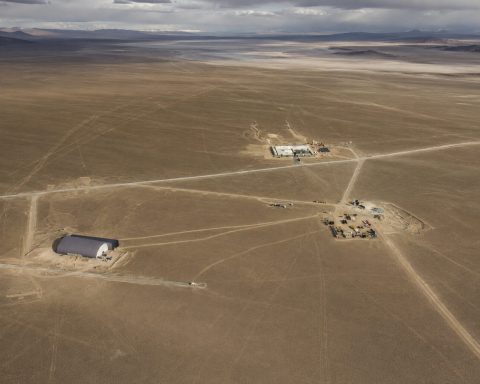
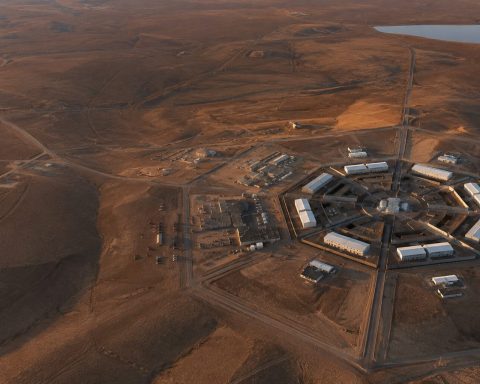
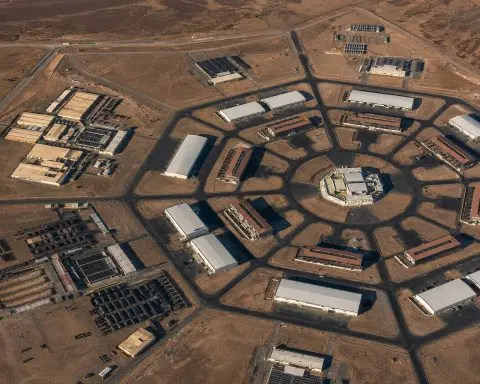
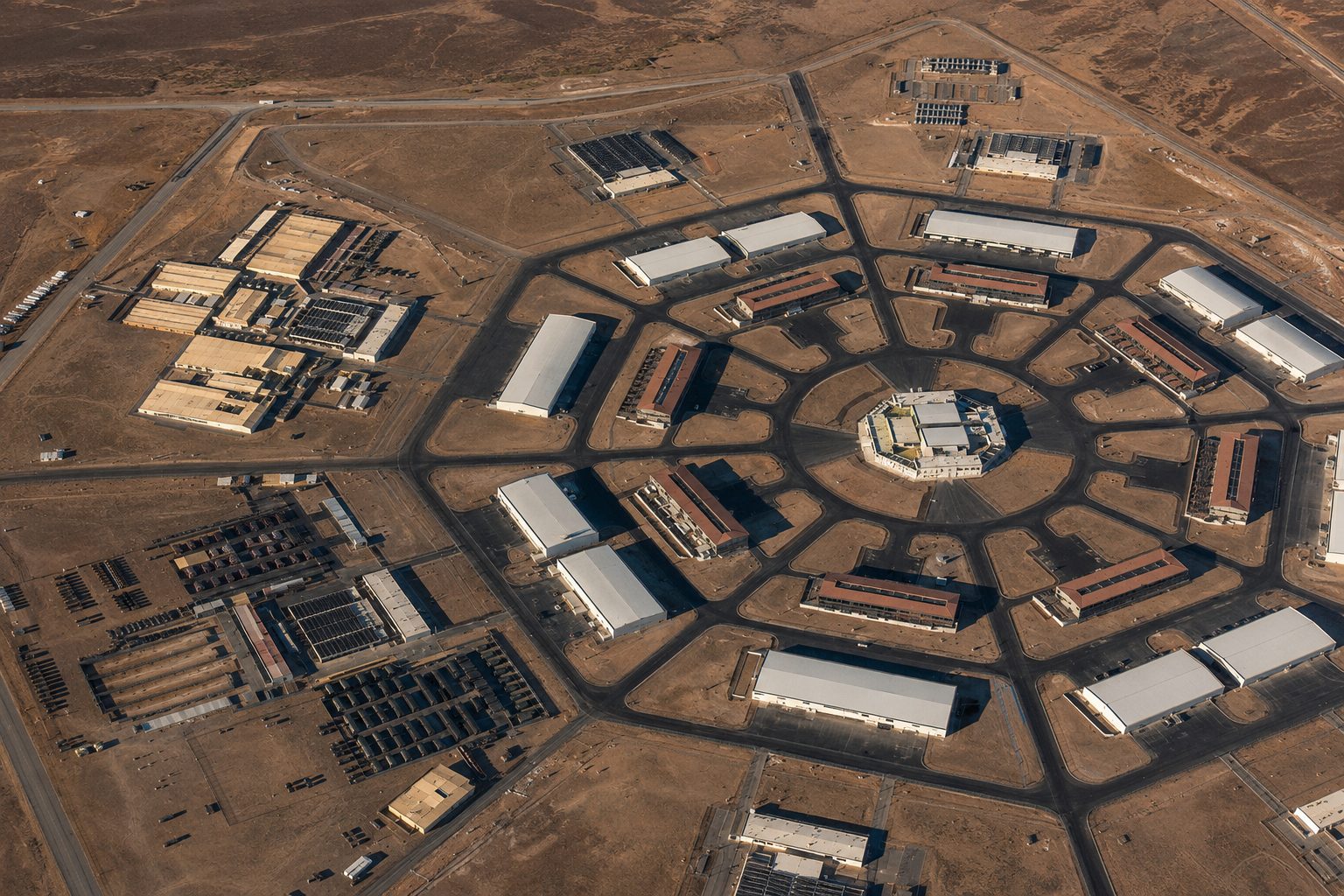
China has constructed upwards of 80 launch pads alongside three octagonal sites near the Hami nuclear missile silo field in the country’s far northwest, escalating worries in both Washington and across Asia about the speed at which Beijing is reinforcing its nuclear arsenal. Analysts who examined satellite imagery for Reuters pointed to bunkers, communications hubs, railway access, and airfields clustered around these areas.
This matters today: China isn’t just stacking up more missiles, it’s also laying down the infrastructure needed to keep them in play after a first strike—enough to hit back if it comes to that. That’s what analysts call second-strike capability, the nuclear deterrent that means being able to retaliate after taking a hit.
The timing isn’t great for arms control, either. The New START treaty—once the primary check on U.S. and Russian strategic nuclear arsenals—ran out in February, marking the end of more than 50 years of arms limits between the superpowers. China has kept its distance from the U.S.-Russia talks, arguing its own nuclear stockpile can’t compare.
China’s expanding desert network looks linked to its land-based intercontinental ballistic missiles—ICBMs designed to cross continents. Reuters, citing three security analysts, reported the pads might be for mobile missile launchers, air-defense batteries, electronic-warfare nodes, or communications gear.
Alexander Neill, adjunct fellow at Hawaii’s Pacific Forum, described the project as construction on a “grand scale,” spanning thousands of square kilometers of desert. The impact? That depends on what China eventually stations there, Neill said, but the development could mark a significant boost and broadening of Beijing’s strategic deterrent. Reuters
Hans Kristensen, who heads the Federation of American Scientists’ Nuclear Information Project, described the sheer scale of the installations as an “extraordinary effort.” Some of their exact purposes remain unclear, he said. The defensive network could mark a fundamental difference for China, as Kristensen pointed out, with the U.S. and Russia depending more on vast numbers of silos, increased hardening, and geography. Reuters
Tong Zhao, senior fellow for nuclear policy at the Carnegie Endowment for International Peace, sees a “real possibility” that the octagon-shaped sites and odd towers tie into command, control and communications—C3 for short—as well as facilities for storage and maintenance of nuclear operations around Hami. Reuters
The Pentagon’s 2025 China military report puts China’s nuclear arsenal in the low 600s through 2024, noting the People’s Liberation Army still appears set to top 1,000 warheads by 2030. Growth in the stockpile has decelerated compared to previous years, but the buildup hasn’t stopped, the report said.
China maintains its nuclear stance is defensive, sticking with a no-first-use policy laid out in a white paper from November. The foreign ministry described the no-first-use pledge as a practical step toward transparency, stating Beijing would not be the first to deploy nuclear weapons.
Still, these images fit into a larger trend. Over the last year, various reports have highlighted what appears to be a 1,500-acre military command site in the Qinglonghu district, southwest of Beijing. Analysts point to deep pits there—possibly fortified bunkers meant for top officials if a major conflict breaks out.
There’s a risk here that the satellite images might be getting too much interpretation. Five security scholars told Reuters the infrastructure could generally back China’s nuclear efforts, though they emphasized uncertainty—nobody knows for sure what weapons, if any, would actually be placed there, or what the octagon structures are for. China’s defense ministry left Reuters’ questions unanswered. The Pentagon also wouldn’t discuss intelligence issues.
U.S. officials continue to press allies for higher defense spending. U.S. Defense Secretary Pete Hegseth, speaking at the Shangri-La Dialogue in Singapore, described “rightful alarm” about China’s military buildup. Still, Hegseth noted that military communications with Beijing have gotten better. Reuters