
WASHINGTON, May 22, 2026, 19:06 EDT
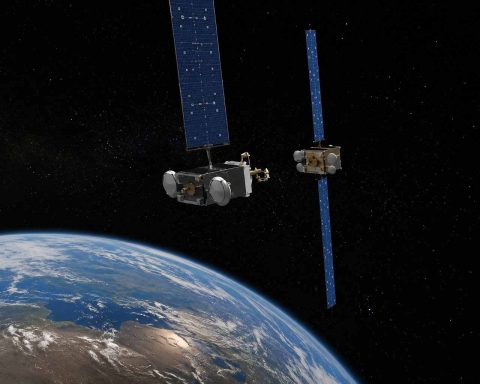
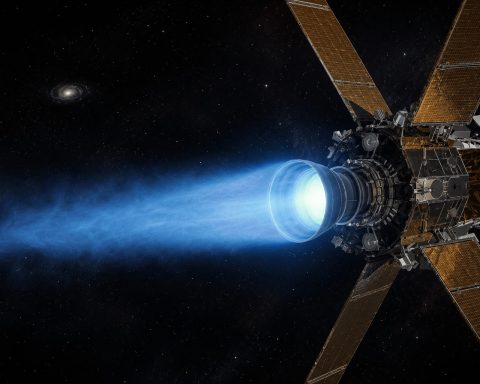
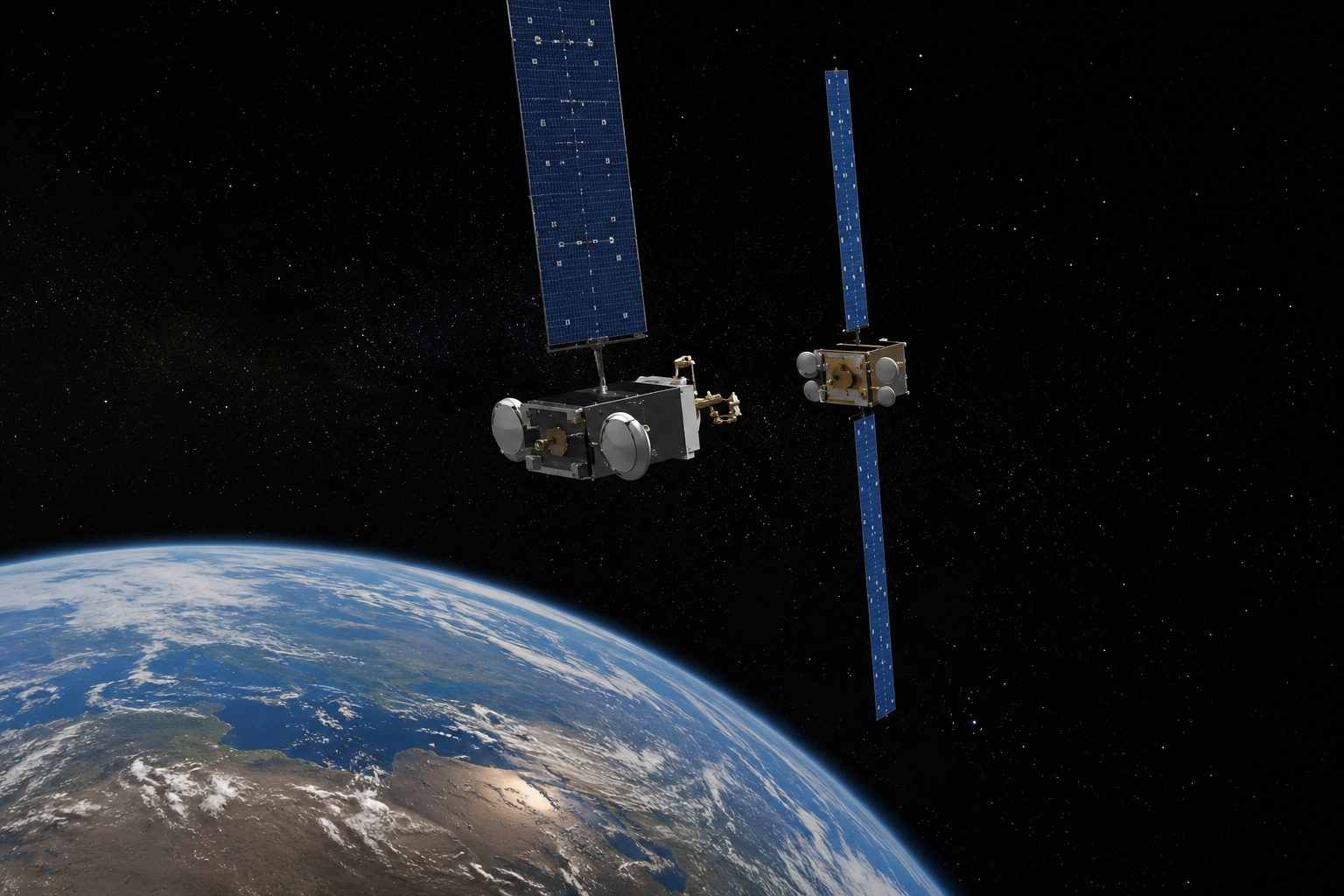
Northrop Grumman’s SpaceLogistics and DARPA are lining up for a summer launch of their long-anticipated robotic servicing mission, after earlier delays. The Mission Robotic Vehicle, or MRV, is now closing in on liftoff as part of DARPA’s Robotic Servicing of Geosynchronous Satellites program, also called RSGS. Program manager James Shoemaker says the goal here is to show the “commercial viability” of satellite servicing in GEO. Darpa
Timing is key here: GEO, sitting about 22,000 miles up, is packed with hundreds of satellites, from military and government craft to commercial machines handling everything from communications to weather and security. According to DARPA, fixing, inspecting, or upgrading those satellites is a major challenge—once they’re in orbit, options are limited if anything fails. Operators tend to load them up with extra fuel and redundant systems, knowing there’s no orbital repair crew to call.
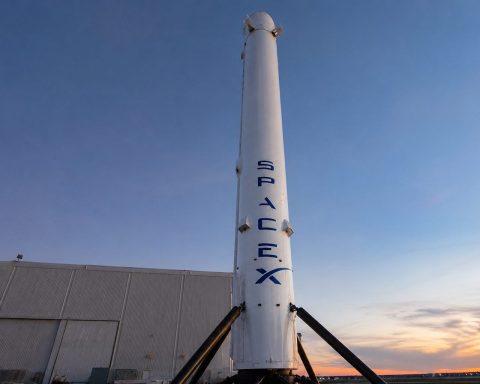
The flight’s already behind schedule—and that’s just the start. SpaceLogistics President Robert Hauge told reporters the vehicle is “manifested” on a SpaceX rocket with three Mission Extension Pods, touting it as the U.S. “first robotic servicer.” According to Hauge, integrating the satellite bus, robotic payload, and software, plus pressure from longer supply chains, all contributed to delays beyond initial expectations. Breaking Defense
The MRV’s role extends well past satellite towing. According to Northrop’s SpaceLogistics, it layers a robotic payload from DARPA onto its existing Mission Extension Vehicle tech. That setup equips the MRV for tasks like inspection, moving spacecraft, repairs, pulling debris out of orbit, and handling client satellites that lack standard docking systems.
The initial wave of commercial activity will revolve around the pods—compact propulsion devices designed to extend the life of older satellites. In 2023, Northrop disclosed that it had sold a third Mission Extension Pod to Intelsat, rounding out the first set slated to fly aboard the MRV. At the time, Hauge pointed to the deal as proof of “the demand” for this service. NEWS | Northrop Grumman
In 2024, Northrop said SpaceLogistics had picked up the robotics payload from the U.S. Naval Research Laboratory—two robotic arms plus electronics—for installation on MRV. Back then, Hauge described the effort as building an “in-space servicing infrastructure” that was still missing from the industry. NEWS | Northrop Grumman
NRL, working with DARPA backing, put its integrated robotic payload through thermal-vacuum tests in 2024, a process that included avionics, cameras, lighting, both robotic arms, launch locks, calibration work, and swapping out tools. Glen Henshaw, a senior scientist for robotics and autonomous systems at NRL, pointed out that satellites stand apart from other expensive military hardware because, as he put it, they “can’t be repaired or upgraded” once they’re in the field. U.S. Navy
The Pentagon is casting a wider net. Space Force’s Space Systems Command, teaming up with SpaceWERX, is rolling out a $20 million orbital logistics challenge—think orbital warehouses, propellant flow, inspection, and reliable maneuvering. Col. Scott Carstetter put a timeline on Starfish Space’s Otter, saying it “will be ready to launch by the end of the summer.” Still, it’s actually slated for a Space Force mission early next year, the same slot Astroscale is targeting for its own refueling demo. Via Satellite
Rivals aren’t far off, working in overlapping corners of this market. Astroscale, after running its LEXI-P servicer through six-degree-of-freedom tests, has it on track for a 2027 debut. Starfish, for its part, pitches Otter as capable of autonomous docking and handling for national security satellites—even ones never meant to be serviced.
For DARPA, this is part of a lengthy public-private venture. The agency tapped SpaceLogistics as its commercial partner back in 2020—DARPA handles the robotic payload, while the company takes care of the spacecraft, getting it launched, day-to-day operations, and any commercial follow-up. Put simply, the government helped develop the tech; Northrop’s gamble is that servicing satellites in orbit could pay off.