
New York, May 31, 2026, 15:02 EDT
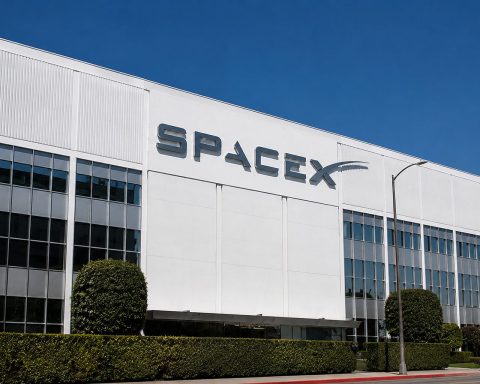
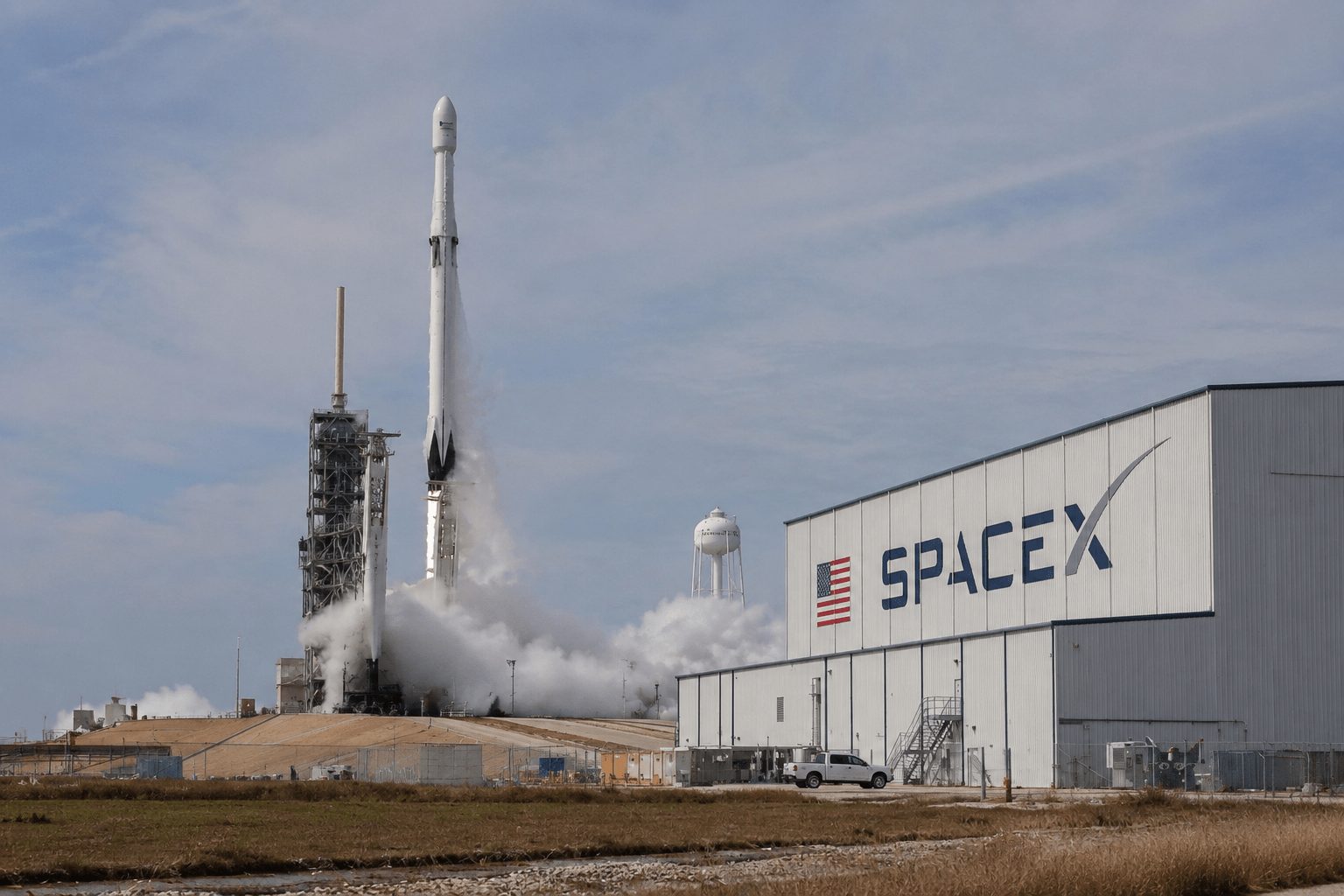
SpaceX has trimmed its IPO valuation target to at least $1.8 trillion, pulling back from a previous figure north of $2 trillion, according to Bloomberg News on Friday. The shift comes as the company expands its defense contracts and scrutiny grows over Elon Musk’s level of control. Talks with advisers and investors led to the updated target.
The price reset is key here, with the sale looming. According to Reuters, SpaceX wants to kick off its roadshow—the investor pitch that happens right before pricing—on June 4. The share sale could open as soon as June 11, and the listing might follow a day later, on June 12. FTSE Russell has noted that SpaceX could snag a fast track into major U.S. and global indexes, which can quickly pull index fund cash into a fresh listing once it debuts.
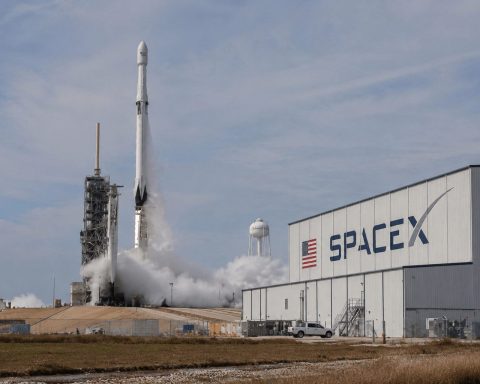
This IPO cracks open a window for public investors into a company with hands in reusable rockets, Starlink satellite internet, U.S. defense deals, and AI infrastructure. According to the S-1 — the key U.S. registration document — Starlink’s connectivity business turned a profit in the first quarter. Still, SpaceX ended up with a $1.94 billion operating loss on $4.69 billion in revenue, weighed down by a $2.47 billion loss from its AI division.
Valuing it is tricky. “There is no peer group for comparison,” said Reena Aggarwal, finance professor at Georgetown University, pointing out that companies of this type defy easy benchmarks. Reuters
In the near term, government contracts are driving the story. On Friday, Space Systems Command announced a $4.16 billion deal with SpaceX for the Space-Based Airborne Moving Target Indicator program, a satellite network designed to monitor airborne threats from space. “We’re moving this tracking capability to the space domain,” said Col. Ryan Frazier, the Space Force’s acting acquisition executive for Space Based Sensing and Targeting, citing the need for better airspace awareness in contested environments. Space Systems Command
Earlier in the week, SpaceX also picked up a $2.29 billion Space Force deal to build a secure satellite communications network. Both contracts pull SpaceX further into the Trump administration’s $185 billion Golden Dome missile-defense initiative, according to Reuters.
Resistance is stiffening. On Friday, Danish pension fund Akademikerpension added SpaceX to its exclusion list. The fund cited market signals pegging SpaceX’s valuation at upwards of $1.8 trillion—far above what it considers justifiable, which tops out at $1 trillion. Akademikerpension also flagged governance as a problem, noting Elon Musk’s expected grip on over 80% of voting rights, alongside his roles as CEO, CTO and chairman.
The filing details a dual-class share structure: two types of stock, but only one with real sway. Class B shares come with 10 votes apiece; the Class A shares, which will go to the public, have just one vote each. That arrangement keeps Musk and insiders firmly in charge even after new investors buy in.
The news flow hasn’t favored Blue Origin. A New Glenn rocket explosion has left its launch pad out of commission for months, disrupting both Amazon’s LEO satellite deployment and some NASA lunar work. Antoine Grenier, leading space consulting at Analysys Mason, figures Blue Origin will bounce back, but “it will take months to rebuild.” Mark Boggett, CEO at Seraphim Space, called it a setback for Blue Origin, though he thinks it only “strengthens SpaceX’s position at the margin.” Reuters
Still, the roadshow has the potential to shake things up. According to Bloomberg, IPO terms like size and valuation frequently get tweaked right before pricing, depending on what investors say. SpaceX, for its part, wants buyers to sign on for heavy AI investments, speculative plans for space-based data centers, and restricted shareholder influence—at a valuation that would place it among the most highly valued companies globally, even before its shares hit the market.
Goldman Sachs, Morgan Stanley, Bank of America, Citigroup, and JPMorgan are lined up as bookrunners. SpaceX will list on both Nasdaq and Nasdaq Texas using the ticker “SPCX.” The question for next week: will investors call $1.8 trillion disciplined, or balk at the price? Reuters