
NEW YORK, May 22, 2026, 05:07 EDT
- With SpaceX’s IPO filing now public, the conversation has turned to whether Starlink can bankroll both rockets and AI.
- The company reported a first-quarter loss of $4.28 billion. Starlink, meanwhile, pulled in $3.26 billion in revenue for the quarter.
- Starship’s launch was scrubbed, creating a last-minute execution hurdle ahead of the planned record listing.
The focus around SpaceX’s IPO keeps tightening on a core issue: whether Starlink’s growth can keep pace to back Elon Musk’s ambitions in rockets, satellites, and AI. Rohit Kulkarni at Roth Capital, who manages internet and capital markets research, called it the “biggest question” when it comes to scaling Starlink, speaking with CNBC. YouTube
That’s suddenly on the table with SpaceX cracking open its financials. The S-1—filed in the U.S. as a registration step ahead of a possible IPO—reveals a loss of $4.28 billion for the quarter ending March 31. Reuters reports investors are now being asked to judge a potential $1.75 trillion to $2 trillion valuation, even though so much of the business still comes down to Musk’s track record on delivery.
Starlink stands out as the immediate earnings driver. The satellite internet provider, delivering broadband via low-Earth orbit, pulled in $3.26 billion in revenue for the March quarter—up close to 33% from the same stretch last year. SpaceX, meanwhile, reported an accumulated deficit of $41.31 billion as of March 31.
The filing hints at a shift in how public investors might view SpaceX, seeing it as more than just a rocket business. According to Business Insider’s read of the S-1, Starlink posted $3.26 billion in revenue last quarter and hit $11.39 billion for 2025. The space segment—which includes launches and payloads—brought in $619 million in the quarter and $4.09 billion last year.
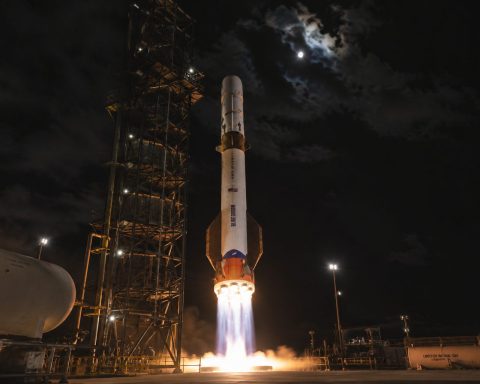
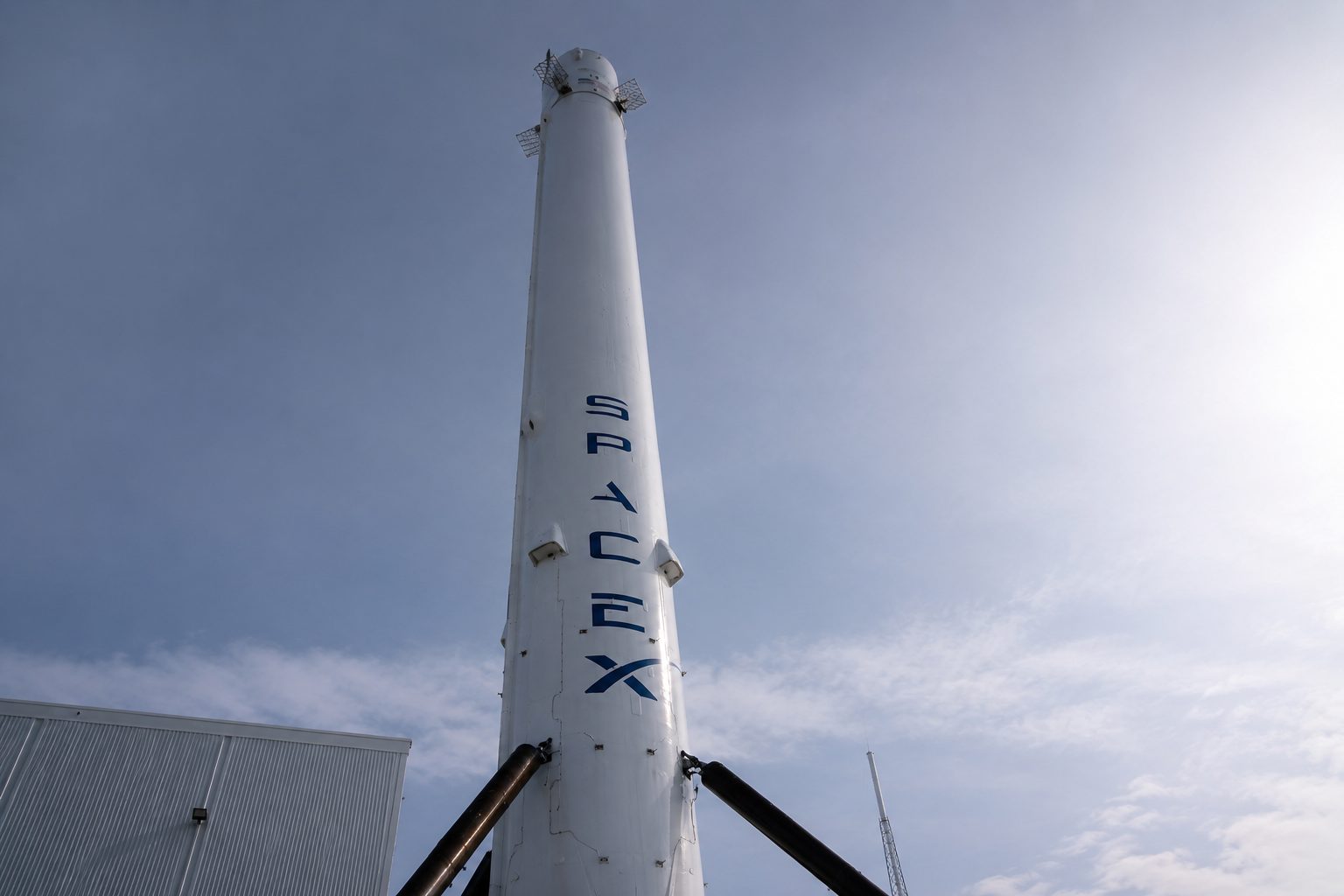
This isn’t just a hypothetical issue. On Thursday, SpaceX halted its planned 12th Starship launch in Texas mere seconds ahead of ignition, pointing to another attempt Friday, with a 90-minute window starting at 5:30 p.m. Central. According to Musk on X, the culprit was a hydraulic pin stuck on one of the launch tower’s mechanical arms, which failed to retract as expected.
Starship sits at the heart of the equation. According to the filing, SpaceX’s growth plans hinge on Starship—“highly dependent,” as the company put it. Reuters added that SpaceX cautioned investors: if Starship slips or costs overshoot, next-generation satellites and AI infrastructure could get stuck on the ground. The company also disclosed that Falcon 9 and Falcon Heavy simply can’t launch the new satellites it aims to orbit. Reuters
SpaceX isn’t hesitating with its targets. According to the S-1, as reported by TechCrunch, the company expects Starship to start delivering payloads to orbit sometime in the back half of 2026. Starlink broadband satellite launches with Starship are also slated for later that year, while V2 mobile satellites aren’t set to arrive before 2027.
AI is putting fresh pressure on the books. SpaceX’s AI unit saw its losses swell to $2.47 billion as Reuters reported, while capital expenditures shot up to $7.72 billion in the first quarter—triple last year’s level and higher than what the space and connectivity divisions spent together.
Analysts aren’t looking at the company like just another numbers exercise. Josh Gilbert at eToro told Reuters the issue isn’t about SpaceX being a “real business”—the real question is whether that valuation reflects how tough execution could get. Greg Martin, who co-founded Rainmaker Securities, added that classic fundamentals can’t prop up this price. Reuters
Competition isn’t standing still, but it’s trailing. In April, Amazon struck an $11.57 billion agreement to acquire Globalstar, aiming to take on Starlink. Reuters puts Starlink’s user base at over 9 million worldwide. Amazon’s Leo satellite group has landed a deal with Delta Air Lines to supply Wi-Fi across 500 jets starting in 2028. Nevertheless, according to Reuters, Starlink continues to outpace rivals in both satellite launches and global reach.
“Continued consolidation” is happening in satellite communications as companies try to match SpaceX’s sheer scale and launch muscle, Austin Moeller, director of equity research at Canaccord Genuity, told Reuters. The gap remains, though—Moeller sees pressure, not parity, for now. Reuters
SpaceX shares remain absent from New York trading ahead of the U.S. market open. According to Business Insider, the company has filed to list on both Nasdaq and Nasdaq Texas with the ticker SPCX. The near-term question for investors isn’t about Mars or AI—it’s whether Starlink can continue to expand while Starship drains cash, attention, and brings fresh risks.