

San Francisco, May 23, 2026, 10:06 (PDT)
- OpenAI is gearing up to file confidentially for a U.S. IPO within the next few weeks, potentially hitting the public markets by September.
- A jury tossed out Elon Musk’s lawsuit against OpenAI, and now SpaceX’s listing is testing how much demand remains for massive tech IPOs.
- OpenAI’s rapid growth faces a reality check: investors will have to balance that momentum against the company’s high costs, intensifying rivalry from Anthropic and Google, and the fact that its nonprofit parent still calls the shots on governance.
OpenAI is gearing up to confidentially submit paperwork for a U.S. IPO in the next few weeks, according to people familiar with the plans speaking to Reuters and Bloomberg-linked outlets. The ChatGPT maker, most recently pegged at $852 billion, is eyeing a public debut that could push its valuation up to $1 trillion. Goldman Sachs and Morgan Stanley are on board, helping prepare draft IPO documents, with a target to go public as early as September, Reuters reported.
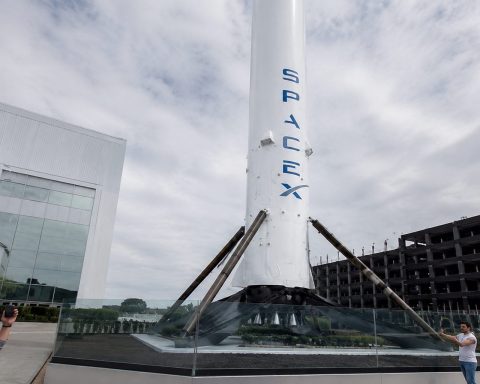
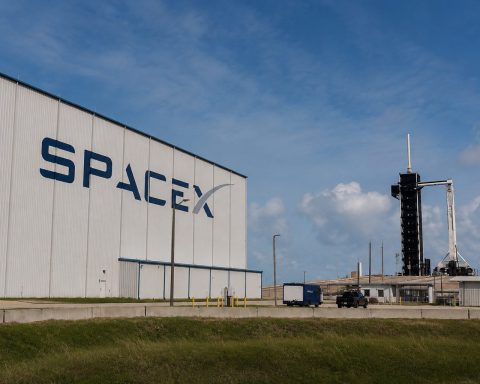
Timing looks crucial, as the field for AI IPOs is now packed—and the price tags keep climbing. SpaceX is already eyeing a public debut with a striking $1.75 trillion valuation, while Anthropic could join the fray in 2026. That pits private tech powerhouses, traditionally bankrolled off-exchange, against each other for a slice of public investor money.
There’s also a legal angle. On Monday, OpenAI scored a major win in Oakland, where a U.S. jury tossed Musk’s lawsuit, saying he dragged his feet too long before filing over OpenAI’s shift from its nonprofit roots. The verdict, according to Reuters, “simplifies the path” to an IPO. Reuters
With a confidential filing, a company gets to send a draft registration statement to the U.S. Securities and Exchange Commission for a private review—no public eyes on it until later. SEC rules keep these draft IPO filings under wraps, provided the company makes everything public at least 15 days before hitting the road with a prospectus or, if there’s no road show, before the requested effective date.
OpenAI isn’t giving any timeline. “We regularly evaluate a range of strategic options. Our focus remains on execution,” the company said, according to Bloomberg and The Edge Malaysia. In the same report, both Goldman Sachs and Morgan Stanley wouldn’t comment. The Edge Malaysia
The court’s decision flipped the script, IPOX vice president Kat Liu told Reuters. “Resolving that legal overhang removed a major obstacle,” Liu said. She pointed out that with both companies filing now, portfolio managers have no choice but to weigh OpenAI and SpaceX together. Reuters
OpenAI isn’t just touting ChatGPT’s user base. Earlier this year, the company told Reuters that ChatGPT saw over 900 million active users each week, with 50 million-plus paying subscribers on the consumer side. The company’s fundraising haul stands at $122 billion—Reuters called it probably the biggest round ever for Silicon Valley.
Still, the risks facing OpenAI are both significant and pressing. Reuters said the company has already overhauled its product road map two times in recent months as rivals—first Google, then Anthropic—turned up the heat. Bloomberg highlighted additional challenges: OpenAI is dealing with missed internal revenue and user growth goals, a string of executive exits, product cuts, and a slate of lawsuits linked to its chatbot.
The setup is sure to get attention. OpenAI describes its nonprofit parent—the OpenAI Foundation—as holding control over OpenAI Group PBC. That’s a public benefit corporation, meaning it’s for-profit but must weigh its public mission against shareholder returns. The foundation owns 26% of OpenAI Group, according to OpenAI. Microsoft sits just ahead with about 27%, while employees and other investors make up the remainder.
Investors looking at SpaceX get a ballpark estimate, not the whole picture. The company’s recent filing points to profitable Starlink satellite-internet business, hefty AI losses, and a firm grip by Musk himself. According to Reuters, Musk holds 85.1% of total voting power. SpaceX booked a $1.94 billion operating loss on $4.69 billion in first-quarter revenue.
Drawing a line to SpaceX could give OpenAI a boost—assuming investors value dominance and rarity enough to pay up. On the other hand, that comparison could backfire if the focus shifts to mounting expenses, like chip supplies and data-center bills, or skepticism over whether AI revenue will ever match sky-high valuations now stretching to hundreds of billions, long before any public audit arrives.
Wedbush analyst Dan Ives called the Musk verdict a “huge win for Altman and OpenAI,” but pointed out Altman’s reputation took a hit from the testimony that came out in court. Now comes a different kind of hurdle: seeing if public investors will actually put up capital for OpenAI anywhere near its private-market valuation. Reuters