
Los Angeles, May 25, 2026, 06:02 PDT
- FutureCorp Space Acquisition 1 is on the hunt for $200 million to snap up a company in the space or defense sector.
- SpaceX’s IPO filing has thrown space assets back into the spotlight for public markets, setting the stage for this pitch.
- It’s straightforward: the SPAC needs to secure funding, identify a target, and actually complete a transaction.
FutureCorp Space Acquisition 1 is targeting $200 million through an IPO, aiming to snap up assets in the space and defense sectors. The new SPAC steps into a market buzzing after news of a possible SpaceX listing. Aviation and telecommunications insiders make up the group, with ex-Surf Air Mobility, xAI, and SpaceX staffers among them, according to Bloomberg.
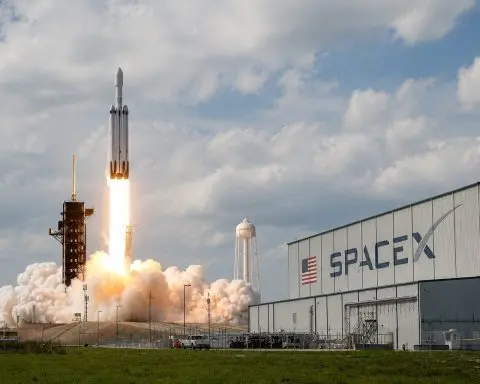
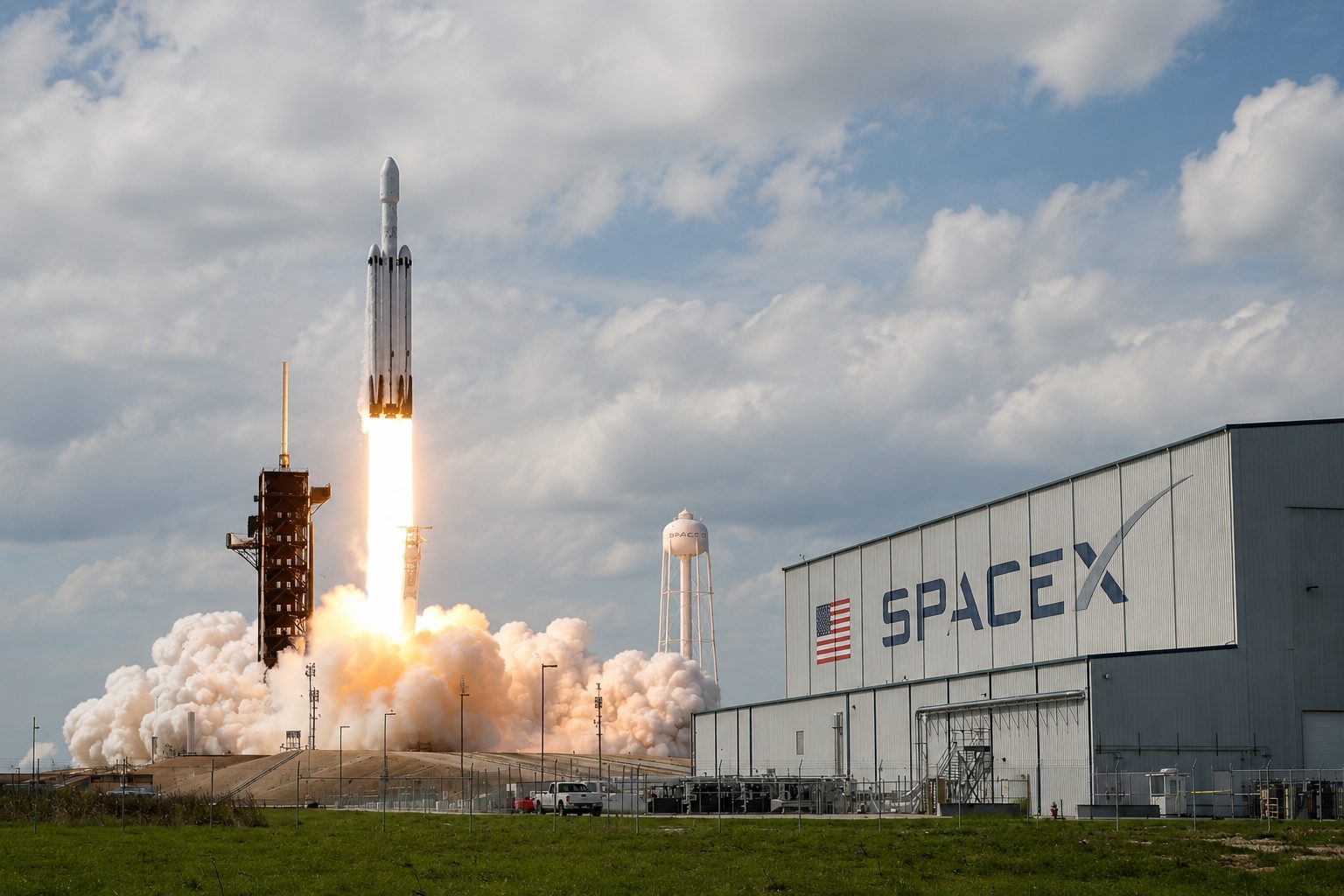
The clock is crucial here. SpaceX put out its long-anticipated IPO filing last week, with Reuters saying the deal might surpass all previous initial public offerings in size. Carol Schleif, chief market strategist at BMO Private Wealth, told Reuters, “space in general is attractive to investors.” Reuters
A SPAC, or special purpose acquisition company, goes public to raise funds, then hunts for a private business to merge with—essentially bringing that company to market. FutureCorp’s sights are set on companies involved in space manufacturing, launch platforms, satellite telecom, in-orbit computing, in-orbit services, Earth observation, and defense activity.
FutureCorp Space Acquisition 1 is looking to raise $200 million by offering 20 million units at $10 apiece—each unit containing a share and half a warrant, the latter exercisable at $11.50. According to Renaissance Capital, the Los Angeles-based SPAC intends to trade under the ticker FTRAU, with Cantor Fitzgerald running the books solo.
Joshua B. Marks appears in filings as both CEO and CFO, with Sudhin R. Shahani named chairman and Matthew A. Long as general counsel. A StockAnalysis summary of the SEC filing calls the company a shell, but its IPO date hasn’t been revealed yet.
Competition is picking up. During the week of May 18, Renaissance Capital tracked five new SPAC filings: Cantor Equity VII at $250 million, BTECH and Snow Rothschild Acquisition both seeking $200 million, and JAB Acquisition I aiming for $150 million. Also on the radar, SpaceX filed for an IPO that Renaissance pegged at a massive $75 billion valuation in the industrial sector.
Listed space stocks have already felt the SpaceX bump. Eutelsat surged 20%, OHB jumped 15%, and SES picked up 3.7% after SpaceX’s filing, according to Reuters, as investors started betting on richer satellite valuations. “A real space boom,” OHB CEO Marco Fuchs said, dismissing any notion of capital flight in comments to Reuters. Reuters
FutureCorp is pitching a concept and a framework right now—not a functioning business. According to SEC filings outlining the SPAC deal, the company faces a 24-month clock after closing to seal a business combination. Miss that, or any other approved deadline, and it has to buy back public shares and shut down operations.
Valuation risk is hanging over the broader space sector. According to Axios, SpaceX’s own prospectus pegs the total addressable market at a staggering $28.5 trillion—a figure Ryan Cummings, economist and chief of staff at the Stanford Institute for Economic Policymaking, dismissed as “farcical.” Splashy TAM numbers might help trigger IPO buzz, but they don’t clarify how to price a supplier, satellite operator, or a defense contractor. Axios
FutureCorp faces a straightforward hurdle now: make the IPO effective, price it, and then secure a deal that investors won’t walk away from. SpaceX’s influence looms large, yet for this SPAC, the real question is whether appetite exists for anything that isn’t the sector’s marquee name.