
CAPE CANAVERAL, Florida, May 25, 2026, 10:00 EDT
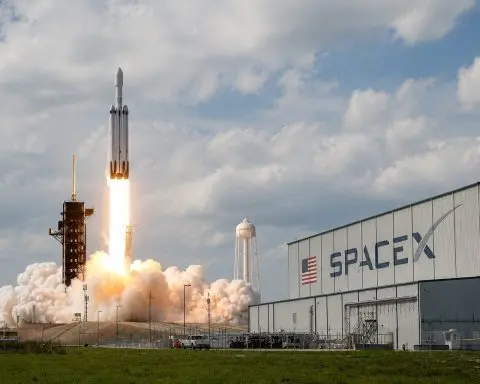
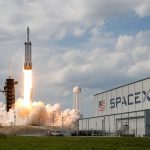
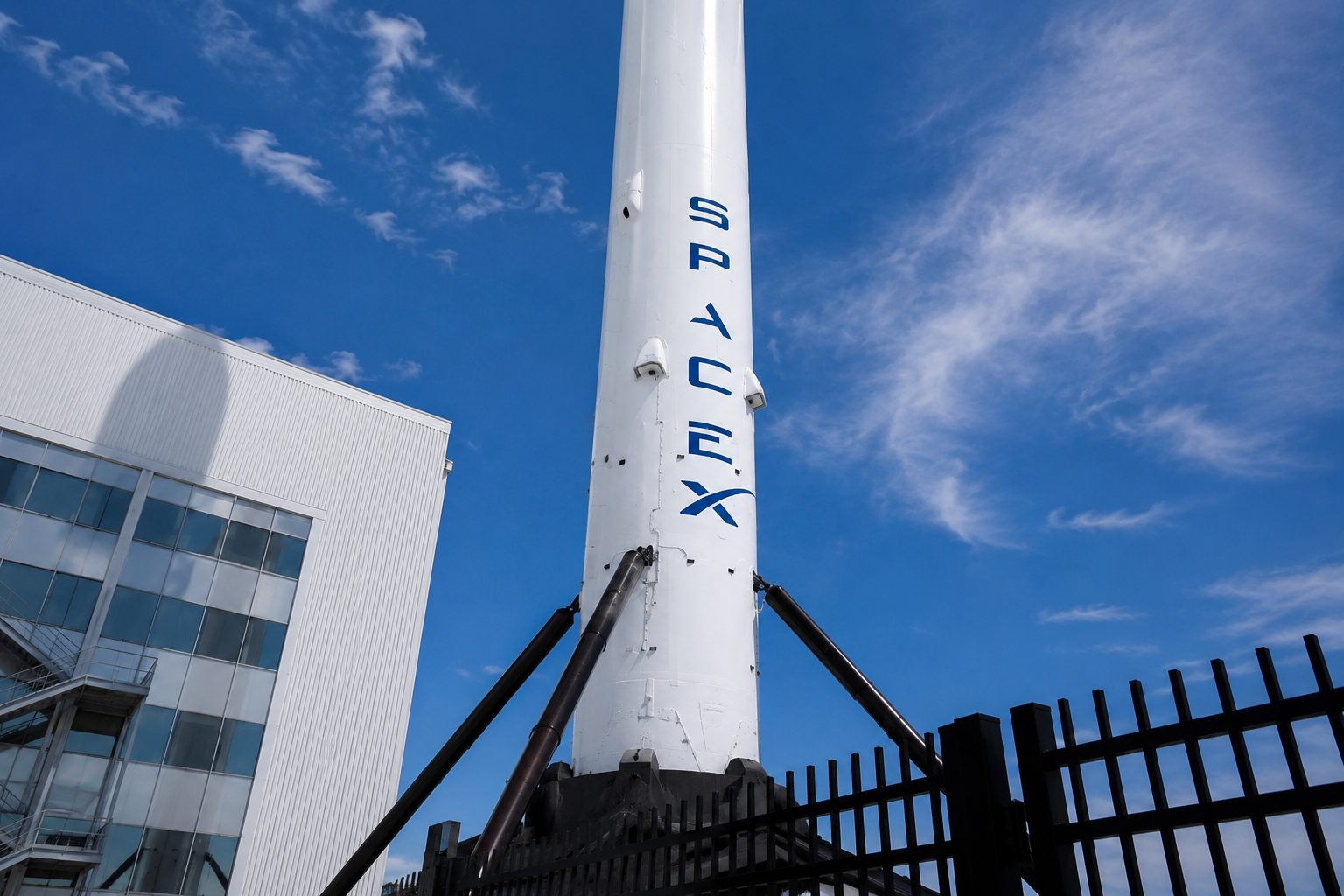
SpaceX sent 29 Starlink satellites into orbit from Cape Canaveral early Monday, as the market continues to debate whether the satellite-internet business can shoulder Elon Musk’s ambitions for a SpaceX IPO. Spaceflight Now said the satellites deployed successfully at 8:53 a.m. EDT, following a 7:48 a.m. launch from Space Launch Complex 40.
Timing is key here: SpaceX wants public investors to see it as more than a rocket company. The IPO could give SpaceX a roughly $1.75 trillion valuation, potentially setting a new record for the largest stock-market debut, according to Reuters.
Starlink is a pivotal piece of the story. Last week on CNBC, Roth Capital Partners’ Rohit Kulkarni didn’t mince words about the valuation: the “biggest question” on the table is “how does Starlink scale.” YouTube
SpaceX’s own numbers are prompting fresh questions from investors. According to Reuters, the Starlink-powered connectivity unit turned a profit in the first quarter, generating $1.19 billion in operating profit. Yet for SpaceX overall, the period ended deep in the red with a $1.94 billion operating loss, set against $4.69 billion in revenue.
SpaceX is trying to prove it can ramp up its launch cadence and keep Starlink’s momentum going. On Friday, its new Starship V3 came close to ticking off most of its targets—deploying dummy Starlink satellites and making a controlled splashdown in the Indian Ocean, according to Reuters. Kathleen Curlee, a research analyst at Georgetown University’s Center for Security and Emerging Technology, called the flight “another meaningful step forward,” while adding there were still “some anomalies.” Reuters
Starlink, Starship, and the IPO—those elements are tightly connected. Starlink generates cash; Starship’s job is to slash launch costs and haul larger, next-gen satellites. The two projects, now part of a larger push, are set to power ambitions for space-based data centers and AI infrastructure. Josh Gilbert at eToro flagged the core risk to Reuters: the valuation needs to reflect the difficulty of building a business that’s at once a rocket company, an internet provider, and an AI play.
There’s no obvious public-market peer for this one. “It is difficult to value companies like this because there is no peer group for comparison,” Reena Aggarwal, finance professor at Georgetown University, told Reuters. Over at Rainmaker Securities, co-founder Greg Martin pointed out that traditional metrics won’t get investors to back a $1.75 trillion or $2 trillion valuation. Reuters
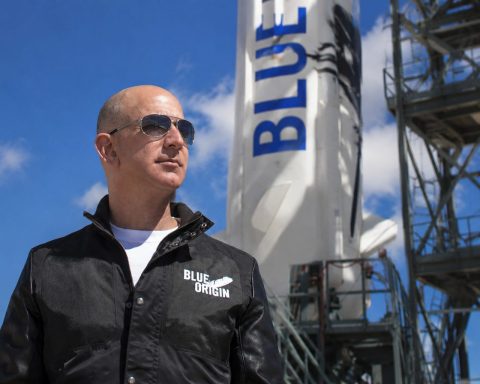
The competition isn’t standing still. Blue Origin—Jeff Bezos’ venture—challenges SpaceX for NASA’s lunar lander contract, while Amazon’s Leo project is moving ahead with plans for a constellation topping 3,000 satellites in low-Earth orbit. The company’s next batch: 29 satellites, set to launch aboard an Atlas V from Cape Canaveral on May 29. Low Earth orbit keeps these satellites close, lowering broadband latency compared to legacy, higher-orbit alternatives.
The largest source of strain, though, could be internal. Fortune reported Monday that Valor Equity Partners — via entities connected to director Antonio Gracias, a close Musk confidant — controls upwards of 500 million Class A shares in SpaceX. On top of that, lease deals tied to AI infrastructure are set to cost the company almost $20 billion payable to Valor over the course of the agreements. SpaceX and Valor both declined to comment to Fortune.
Governance experts quoted by Fortune flagged the related-party transactions as worrisome—these are deals with company insiders or connected entities. Nell Minow at ValueEdge Advisors described the Valor leases as “deeply troubling.” Robert Willens from Columbia Business School pointed out that SpaceX’s disclosure left out the typical assurance that the terms matched what an independent third party would get. Fortune
SpaceX plans to debut on Nasdaq with the ticker SPCX, Reuters reports, targeting a June 12 listing right after a roadshow scheduled for June 4. Matt Kennedy, a senior strategist at Renaissance Capital, told Reuters the company will brand itself as a “generational company,” appealing to investors ready to stick around for the long haul. Reuters
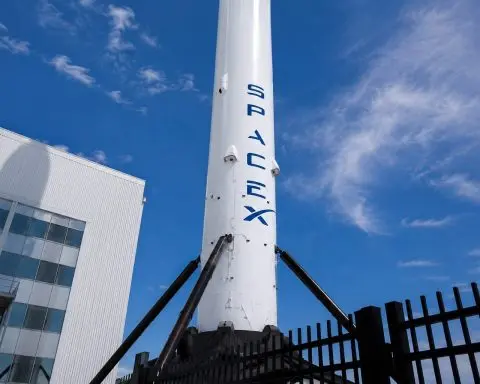
Right now, it’s not just a single Falcon 9 launch grabbing attention. What matters is the drumbeat. Every new Starlink flight bumps capacity higher. Starship test runs are all about showing the next round of hardware will haul even more. The IPO debate? It’s whether that cadence can ramp quickly enough to justify a $1.75 trillion valuation as real infrastructure, rather than just big dreams.