
New York, May 26, 2026, 10:02 EDT
- Bezos pointed to SpaceX’s upcoming IPO as potential proof of a broader market for space.
- SpaceX has set its sights on a valuation in the ballpark of $1.75 trillion.
- Bezos told CNBC that Blue Origin is considering bringing in external investors.
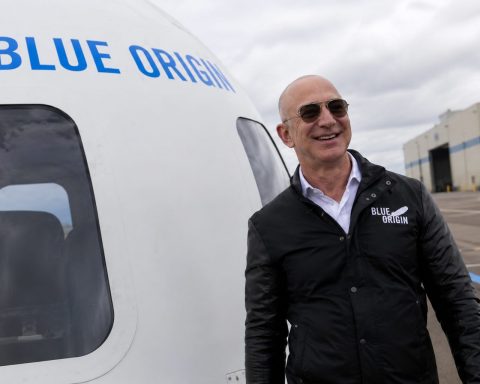
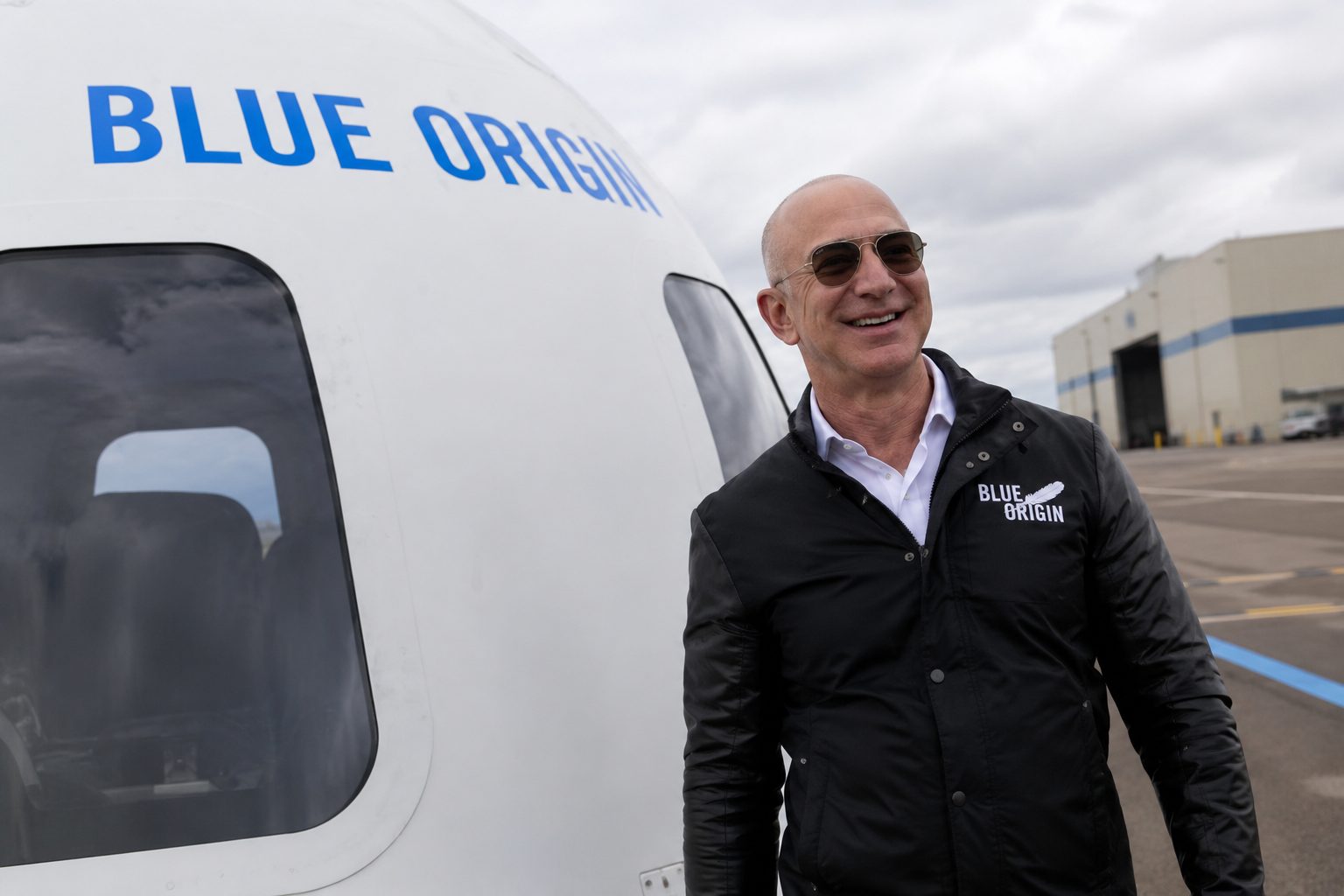
Jeff Bezos suggested that a SpaceX IPO might demonstrate that space is turning into a major industrial market, though he stopped short of backing Elon Musk’s rumored valuation target.
“Space is going to be a gigantic industry,” Bezos said in an interview with CNBC. He wasn’t sure if SpaceX’s valuation should be $1.75 trillion, $2 trillion, or something else. Versant Press Room
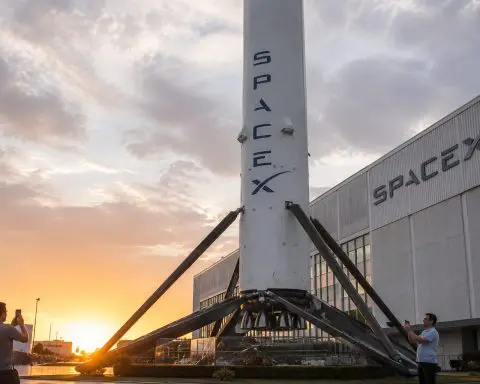
The remarks are drawing attention after SpaceX filed for a potential record-breaking IPO. According to Reuters, the company is eyeing a staggering $1.75 trillion valuation with proceeds near $75 billion.
Pulling off a listing of that magnitude would let public investors get direct exposure to satellite internet, reusable rockets, and Musk’s sweeping AI-and-space ambitions. It might also force a rethink in how the market prices competitors and suppliers.
Starlink, SpaceX’s satellite internet arm, turned a profit in the first quarter, according to the company’s filing. Still, SpaceX itself ended up with an operating loss of $1.94 billion on $4.69 billion in revenue. The AI division’s numbers were deeper in the red, with a $2.47 billion loss, Reuters reported.
Blue Origin, the rocket maker founded by Jeff Bezos and a rival to SpaceX in the launch and lunar market, might soon open its doors to external investors. After years relying on Bezos’ own Amazon stock sales for funding, the company is weighing the move, according to Bezos. “It has not happened yet,” he told CNBC’s Andrew Ross Sorkin. Versant Press Room
Peer read-across is underway. European space names climbed following the SpaceX filing—Eutelsat and OHB both saw gains as some investors anticipated the IPO might give sector valuations a boost.
There are caveats here. Bezos described space data centers as “very realistic,” though he pushed back on the idea that a two- or three-year timeframe was feasible, calling it “probably a little ambitious.” He also flagged that launch costs must come down significantly. Versant Press Room
The camp is divided. Wedbush analyst Dan Ives described SpaceX as one of the biggest long-term growth stories out there. Over at Triple D Trading, Dennis Dick took a different tack, calling the valuation “a little scary” for anyone stepping into a stock nearing $2 trillion. Reuters