
WASHINGTON, May 26, 2026, 09:27 (EDT)
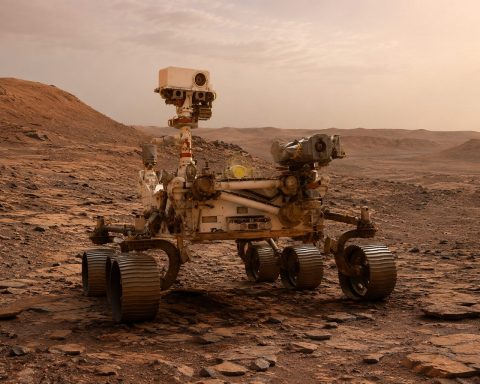
- After more than five years on Mars, Perseverance has racked up nearly 26.1 miles—just 0.13 mile short of a full 26.2-mile marathon.
- The rover hit this milestone while examining rocks beyond Jezero Crater, material that could trace back to Mars’ earliest days.
- The larger question: Can NASA still manage to return the samples that might hold one of the most compelling signs of Martian life so far?
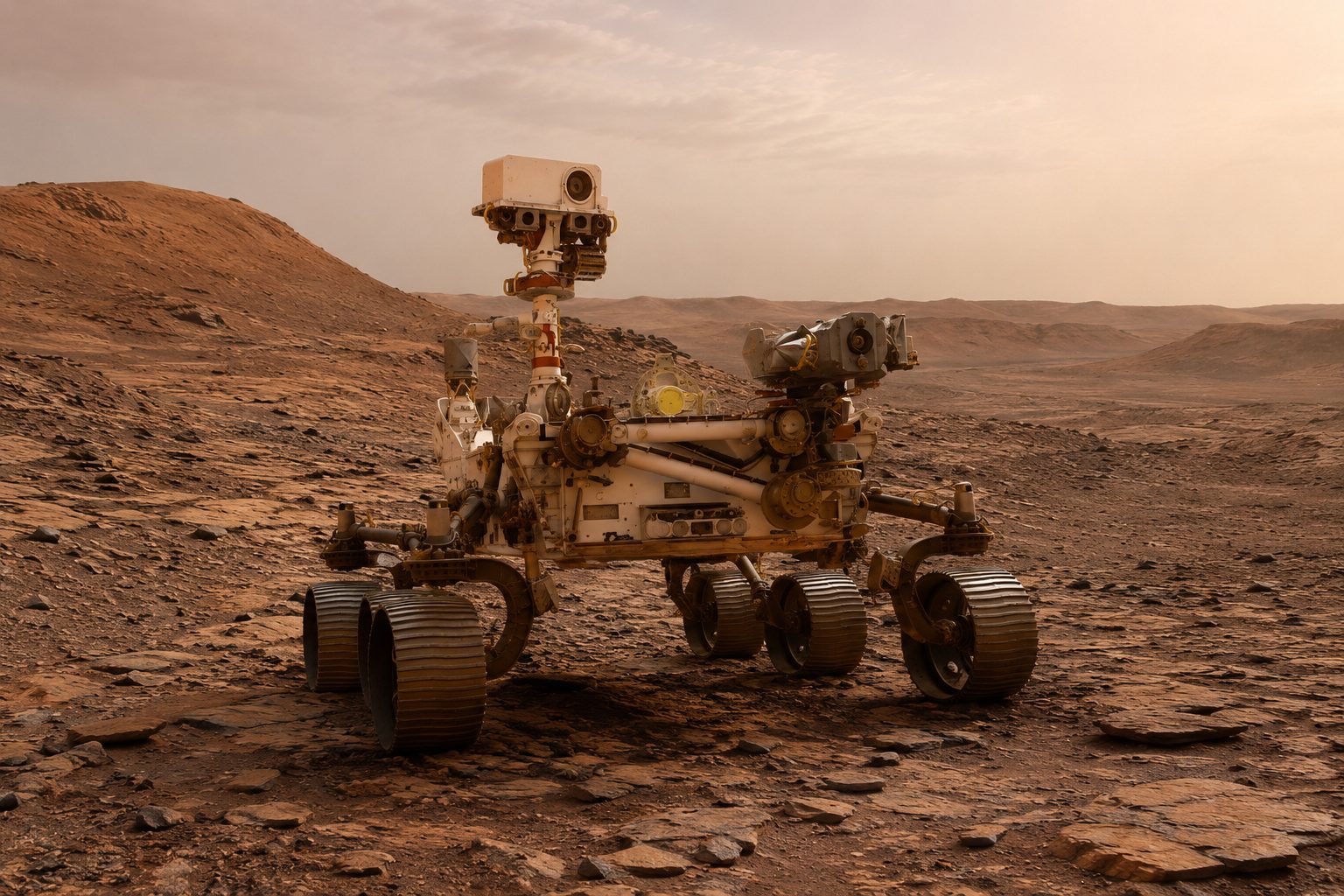
NASA’s Perseverance rover is about to notch up a Martian marathon. Officials say the six-wheeled machine has now covered 26.09 miles on the red planet, and should hit the 26.2-mile milestone within roughly a month. While that’s a trivial stretch back on Earth, the drive on Mars has taken five years, slow and hazardous, tracing a path across the floor of an ancient crater that once held water.
Timing is key here. Perseverance has left its initial site in Jezero Crater—a dried-up lake—and is now rolling into much older ground, according to NASA scientists, who believe this area could preserve evidence from Mars’ early crust. The rover’s odometer isn’t just trivia: now, it’s sampling rocks that might reveal if ancient Mars offered anything like the conditions found on early Earth.
NASA now faces a tougher call. Perseverance has stashed away rock cores for a possible trip back to Earth—among them, a sample NASA flagged as containing a potential biosignature. That’s a marker that might point to a biological source, though more analysis is needed before anyone talks about life. The rover can only go so far; Earth labs will have to handle the real test.
Perseverance touched down on Feb. 18, 2021, set for a main mission slated to last one Martian year—roughly 687 Earth days. According to NASA’s mission page, the rover’s tasks include hunting for evidence of ancient microbial life, examining Jezero’s history for signs it could have supported life, and gathering samples of rock and regolith (broken rock and dust) for potential return.
Ken Farley, Caltech’s deputy project scientist for the mission, told Reuters via NASA that the rover’s power should last “at least a decade,” though its actual lifespan depends on future NASA calls. Mars, he pointed out, holds onto rocks from a time that’s been mostly wiped out on Earth—offering a rare window for scientists probing pre-biotic chemistry, those early chemical processes that can come before life. Reuters
The rover snapped a selfie at Lac de Charmes, according to JPL, marking its furthest trek west of the crater rim so far. Katie Stack Morgan, who leads Perseverance’s science team at NASA’s Jet Propulsion Laboratory, has dubbed the site the rover’s “Wild West.” The team recently scraped and inspected an outcrop named Arathusa, peeling back the surface with abrasion tools to get at untouched rock for analysis. NASA
NASA confirmed the Arathusa outcrop consists of igneous minerals—formed as molten rock cooled—likely older than Jezero Crater itself. The agency noted nearby images reveal what could be megabreccia: big chunks of rock tossed up by ancient impacts. There’s also a possible volcanic dike visible, where magma once solidified below ground and now juts out after the softer surroundings wore away.
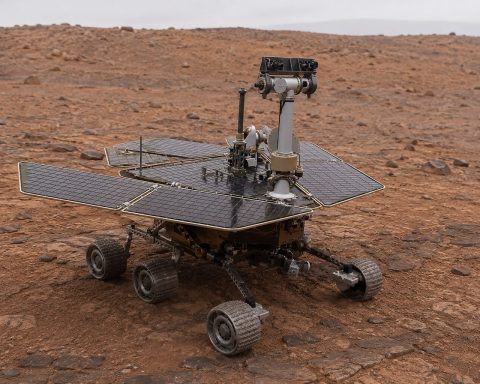
NASA’s Opportunity rover still leads the pack for distance traveled on another planet, clocking in at 28.06 miles before its remarkable 15-year Mars run ended in 2019. Curiosity, which touched down in Gale Crater back in 2012, continues its own active survey.
Perseverance brought along Ingenuity—the tiny helicopter that made history as the first powered, controlled flyer on another planet. NASA reports Ingenuity logged 72 flights before wrapping up its flying phase, evolving from a simple tech demo to an airborne scout for the rover’s journey.
There’s a real possibility now that the science gets ahead of what lawmakers are willing to pay for. SpacePolicyOnline noted that the fiscal 2026 appropriations report set aside $110 million for “Mars Future Missions”—not earmarked for Mars Sample Return itself, though some funding does support related technologies. The Planetary Society pointed out that a House bill covering fiscal 2027 didn’t mention Mars Sample Return at all, so there’s still no firm backing for reviving the mission to bring back the tubes Perseverance is collecting. SpacePolicyOnline The Planetary Society
The headline findings remain tentative. NASA and its research teams say the Cheyava Falls material could point to ancient microbial life, but they haven’t ruled out a strictly chemical origin. Perseverance keeps rolling along; JPL’s Steve Lee, currently acting as project manager, described the rover as “in great shape” and moving toward what he called ultramarathon territory. NASA NASA