
San Francisco, May 26, 2026, 05:34 (PDT)
- OpenAI is getting ready to submit a confidential filing for a U.S. IPO in the next few weeks. The company could hit the public markets as soon as September.
- SpaceX’s IPO move lands it alongside one of Silicon Valley’s other top private giants, both now stepping into the view of public markets together.
- It’s a tougher environment now. Plenty of high-profile IPOs lately have trailed the S&P 500.
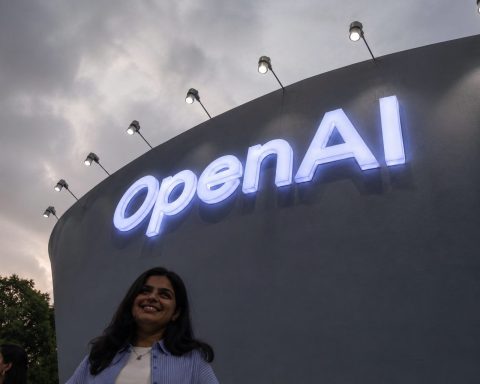
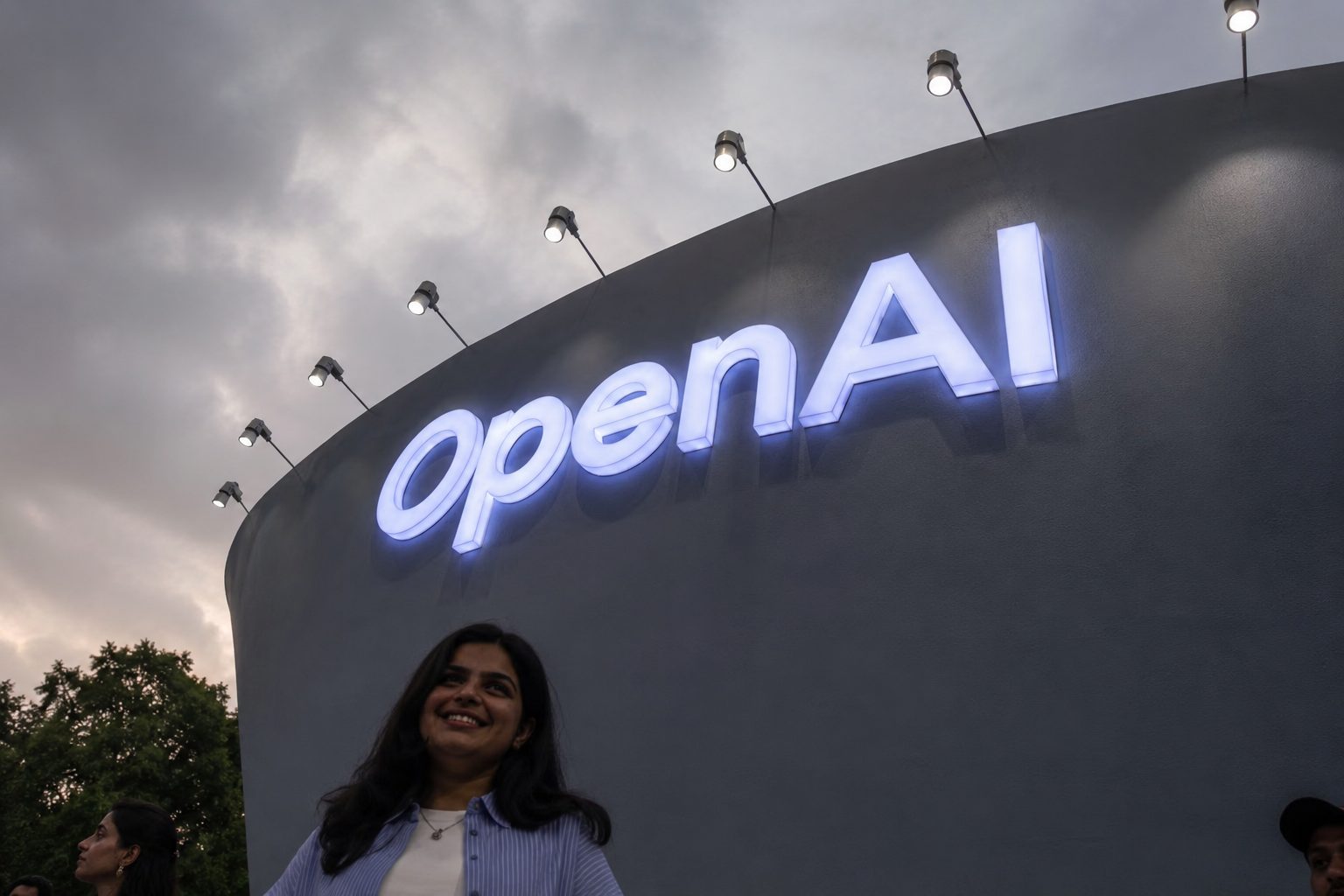
OpenAI is gearing up for an IPO, but new numbers highlight a tough environment: many of the biggest recent debuts haven’t managed to outperform the market. The ChatGPT developer is set to make a confidential filing for a U.S. listing in the coming weeks, according to a source cited by Reuters. It’s working with Goldman Sachs and Morgan Stanley, and could go public as soon as September.
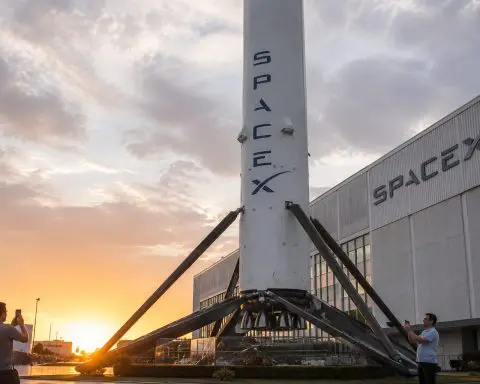
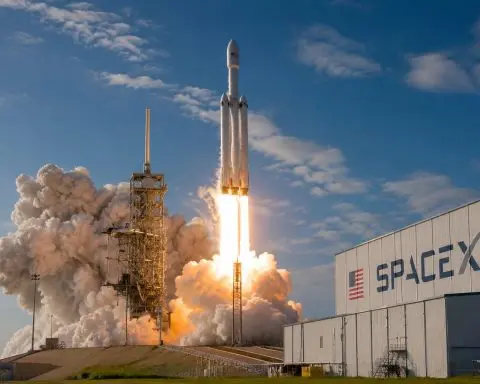
The comparison has shifted: OpenAI isn’t just stacked up against other private AI outfits anymore. Now, it’s being sized alongside SpaceX. Elon Musk’s company, known for rockets, satellites, and increasing AI connections, filed its S-1 registration with the SEC on May 20. SpaceX is eyeing a valuation near $1.75 trillion.
Last week, Forbes flagged the possibility that OpenAI could file for an IPO within days, calling it a potential face-off with SpaceX. The company’s most recent valuation, according to Reuters, stood at $852 billion. Previously, OpenAI had weighed an offering that might push its valuation as high as $1 trillion, with a fundraising target of at least $60 billion.
With a confidential filing, companies send draft IPO paperwork to the SEC for private review—details stay out of public view until later. The SEC requires issuers to release both the registration statement and all those earlier draft filings at least 15 days before launching any roadshow, the investor pitch series that typically comes ahead of an IPO.
There’s still no public timeline from OpenAI. “As part of normal governance, we regularly evaluate a range of strategic options,” a spokesperson told Axios. The company, they said, is still “focused on execution.” Axios
“Getting that legal dispute out of the way cleared a key hurdle for an IPO, and it probably made OpenAI more comfortable pushing up its timeline,” IPOX Vice President Kat Liu said to Reuters, referencing OpenAI’s legal battle with Musk. Liu added that if both companies file at once, portfolio managers will have to weigh OpenAI against SpaceX side by side. Reuters
OpenAI stands among the rare private firms with such scale. As of March 31, the company announced it had wrapped up a $122 billion funding round, putting its post-money valuation at $852 billion. Revenue: $2 billion a month, according to the company.
OpenAI’s setup remains unconventional for a company eyeing the public markets. The nonprofit foundation sits at the top, calling the shots for OpenAI Group PBC—a public benefit corporation tasked with balancing its mission against the drive for profits. The breakdown: the foundation owns 26%, Microsoft comes in at about 27%, with the balance held by a mix of current and former staff plus outside backers.
Still, public investors could balk at private-market valuations if losses, infrastructure expenses, or governance headaches become more pronounced. Back in March, Reuters said OpenAI was eyeing about $600 billion in compute spend by 2030 — that’s chips and data center muscle for AI work — a tab that won’t leave much margin for mistakes if growth stalls.
SpaceX is already setting the bar for investors. A Reuters review of 50 top IPOs by valuation over the last five years shows S&P 500 index funds outperformed new listings roughly 75% of the time. Jay Ritter, a University of Florida professor who tracks IPOs, noted that the steepest price-to-sales multiples—market value divided by sales—tend to signal weaker returns.
SpaceX, at a $1.75 trillion valuation, is trading at a price-to-sales ratio close to 100—far above Nvidia’s 24. Reuters says the company posted a loss nearing $5 billion last year. “Every one of these companies where investors are willing to pay a very high price-to-sales ratio has a compelling story,” Ritter said. “But, you know, stuff could go wrong.” Reuters
OpenAI’s up against increasing pressure from both Google and Anthropic in the fight for business clients—the kind of customers that might actually back a trillion-dollar market cap. Just last week, Google rolled out AI agents for Search, slashed pricing on its premium AI plan, and claimed that big corporate clients switching to its models could see savings topping $1 billion a year. Google insists its models can rival the top alternatives, but at roughly a third of the price.
On Tuesday, Altman addressed worries over job losses, downplaying earlier fears about AI wiping out white-collar roles. “I don’t think we’re going to have the kind of jobs apocalypse that some of the companies in our space advocate or talk about,” he said at a Commonwealth Bank of Australia conference. Reuters
OpenAI’s IPO hasn’t hit the market yet—it’s still just chatter, not a ticker. The initial prospectus will tell investors what really matters: revenue staying power, burn rate, model expenses, Microsoft’s involvement, and if a company wired for speed can handle quarterly oversight.