
WASHINGTON, May 26, 2026, 16:52 (EDT)
- NASA’s initial phase for a moon base is set through 2029, calling for as many as 25 missions—21 of those involve landings, with four tons of cargo planned.
- Blue Origin, Astrobotic, and Intuitive Machines make up the initial group of firms leading commercial missions to the moon.
- After April’s Artemis II flight, the plan pivots away from policy debates and puts the spotlight squarely on hardware.
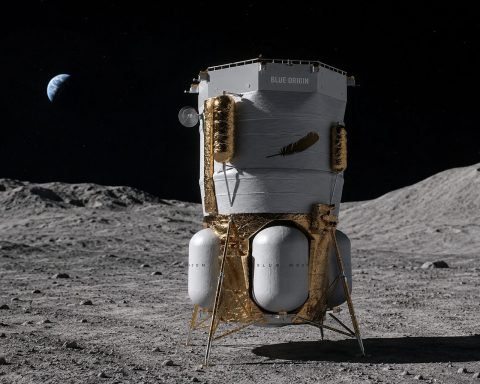
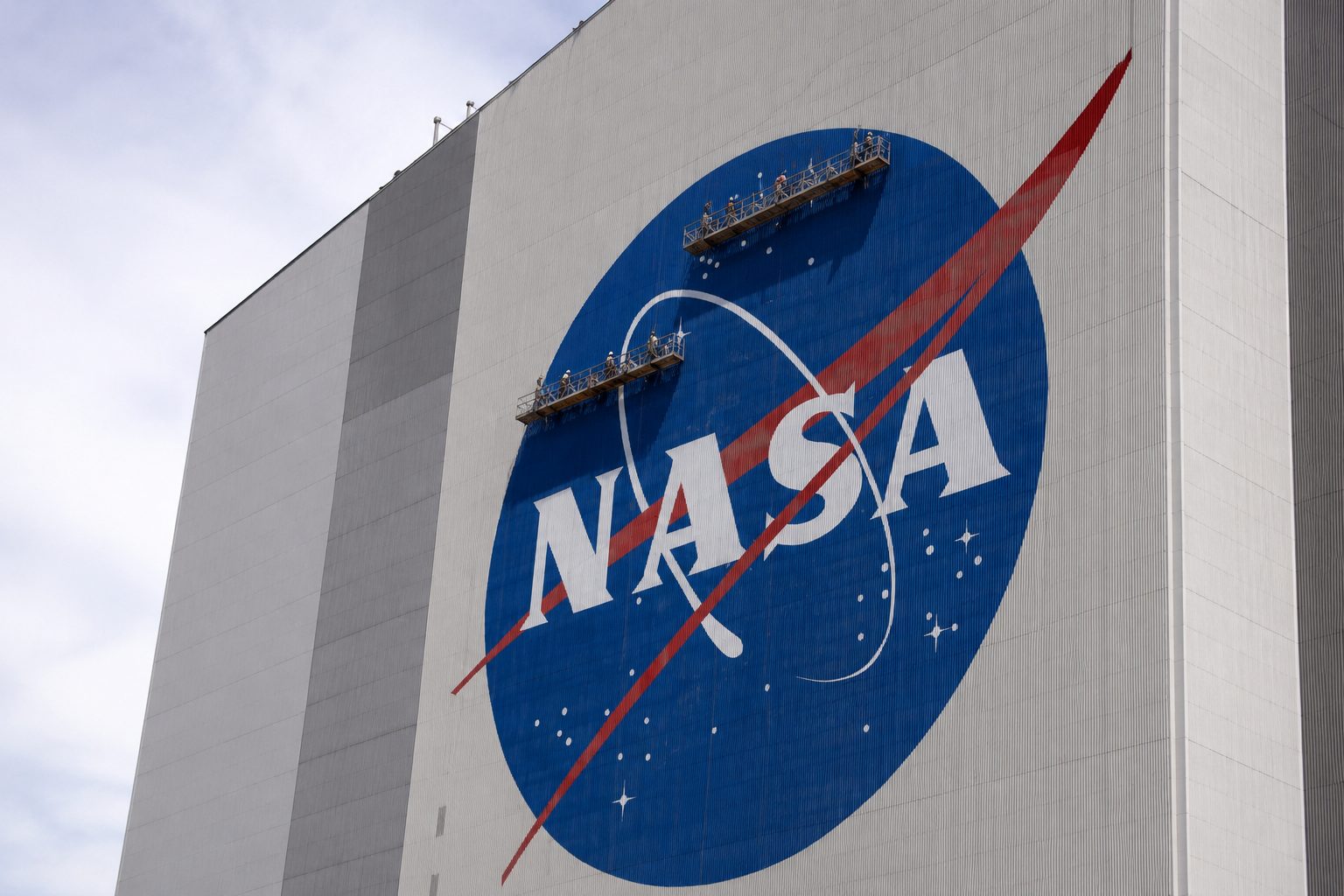
NASA on Tuesday detailed its plans for a moon base, setting out a timeline and naming key players. The agency expects as many as 25 missions—21 of them lunar landings—near the south pole by 2029. Blue Origin’s Blue Moon Mark 1 lander is on the list for early flights. The first phase, NASA said, is designed to see what actually functions on the moon before putting astronauts in for extended stays.
The schedule is critical now that NASA has cleared the initial hurdle — Artemis II, the first crewed test flight, wrapped up on April 10, bringing four astronauts around the moon and back. With that milestone behind it, NASA is pivoting toward Artemis III and the broader push to establish a lunar surface presence, which means depending on commercial landers, cargo haulers, robotic rovers, and power systems to make the moon more than just a waypoint.
NASA chief Jared Isaacman, speaking in Washington, said the agency is headed back to the moon — with the intention of staying. But, Isaacman made clear, there’s no immediate leap to a “glass dome moon base.” Instead, he said, NASA wants to build experience with repeated cargo and robotic missions before committing to lengthy crewed stays. Chron
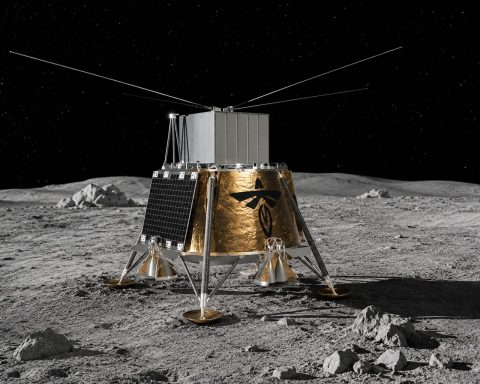
Blue Origin’s Endurance lander—flying without a crew—is at the heart of the initial effort. NASA says the lander just wrapped up environmental tests at Johnson Space Center and is set to deliver two NASA payloads as part of Commercial Lunar Payload Services, or CLPS, which contracts private lunar-lander firms to transport science and tech instruments.
Astrobotic’s Griffin-1 is among the first slated to launch, aimed at Nobile Crater by the lunar south pole, according to NASA. Along for the ride: Astrolab’s FLIP rover. Intuitive Machines is also sending its IM-3 mission to Reiner Gamma—a striking lunar swirl scientists are eager to investigate. None of these will carry astronauts. Instead, they’re trial runs for moving cargo, testing mobility, and scouting locations.
Under NASA’s plan, lunar terrain vehicles—LTVs—will double as both crew rides and remote-controlled haulers. Instead of buying the rovers themselves, the agency intends to pay for rover services from private firms. The approach is designed to keep players like Intuitive Machines, Lunar Outpost and Astrolab not only building equipment, but actively running it too.
The next stages shift from exploration toward settling in. Phase Two of NASA’s plan, covering 2029 through 2032, calls for initial habitats, larger-scale solar and nuclear power trials, new communications hubs, and up to 24 cargo drops. After that, Phase Three—kicking off in 2032—targets regular crew swaps and continuous supply runs.
At ASCEND 2026 last week, Isaacman signaled a ramp-up in pressure, telling industry players the “status quo is not going to work” and that NASA plans to step in more forcefully across the supply chain. “Everything’s been a decade away,” said Corey Smith, nuclear engineering lead at Analytical Mechanics Associates, speaking to Aerospace America. Nora Bailey of Neutralino Space Ventures, an astronomer, pointed out the challenge: it’s tough to promote science when you’re “actively divesting in science.” Aerospace America
Competition is obvious here: NASA tapped SpaceX and Blue Origin to build human lunar landers. Artemis III’s on track for 2027, when NASA plans to try out docking and operational checks with one or both landers in low Earth orbit. The following year, Artemis IV is supposed to actually land. Back in March, NASA said it had to pick up the pace, boost flight frequency, and stick to standardized hardware to “move faster.” NASA
The risks aren’t trivial here. Back in April, Reuters noted that both SpaceX and Blue Origin have unresolved technical issues—from in-space refueling to shifting lander designs. NASA’s timeline for returning to the moon is playing out as China eyes a crewed lunar touchdown by 2030. Setting up a lunar base can handle a setback in robotic cargo deliveries. Delays for a human landing, though, are tougher to absorb.
Budget headaches and partner issues are in play. Back in March, NASA pivoted to a $20 billion plan for a lunar surface base, choosing to scrap the Gateway station in lunar orbit and redirect some of its components. The shift raised uncertainty over hardware already in the works and cast doubt on what international partners will do next.
Contractors got a clear signal on Tuesday: NASA is after rapid progress, though it isn’t moving to a fully hands-off approach. Isaacman put it plainly—the agency isn’t about to “sit on our hands” just waiting for private companies. Carlos García-Galán, who heads up NASA’s Moon Base program, framed Phase One as a high-stakes experiment in survival where extreme heat, cold, long spells of darkness, and unpredictable terrain threaten to wreck hardware before it can prove itself. Chron
Right now, everyone’s eyeing the lunar south pole—permanently shadowed craters could be hiding water ice, and NASA’s planning to test hardware for power, mobility, comms, and logistics there. It’s close enough to Earth for quick fixes if something goes off-script. But Mars is the real target. NASA frames the moon base as a stepping stone, a way to build up the necessary muscle and know-how before pushing crews out to more distant frontiers.