
WASHINGTON, June 8, 2026, 15:03 EDT
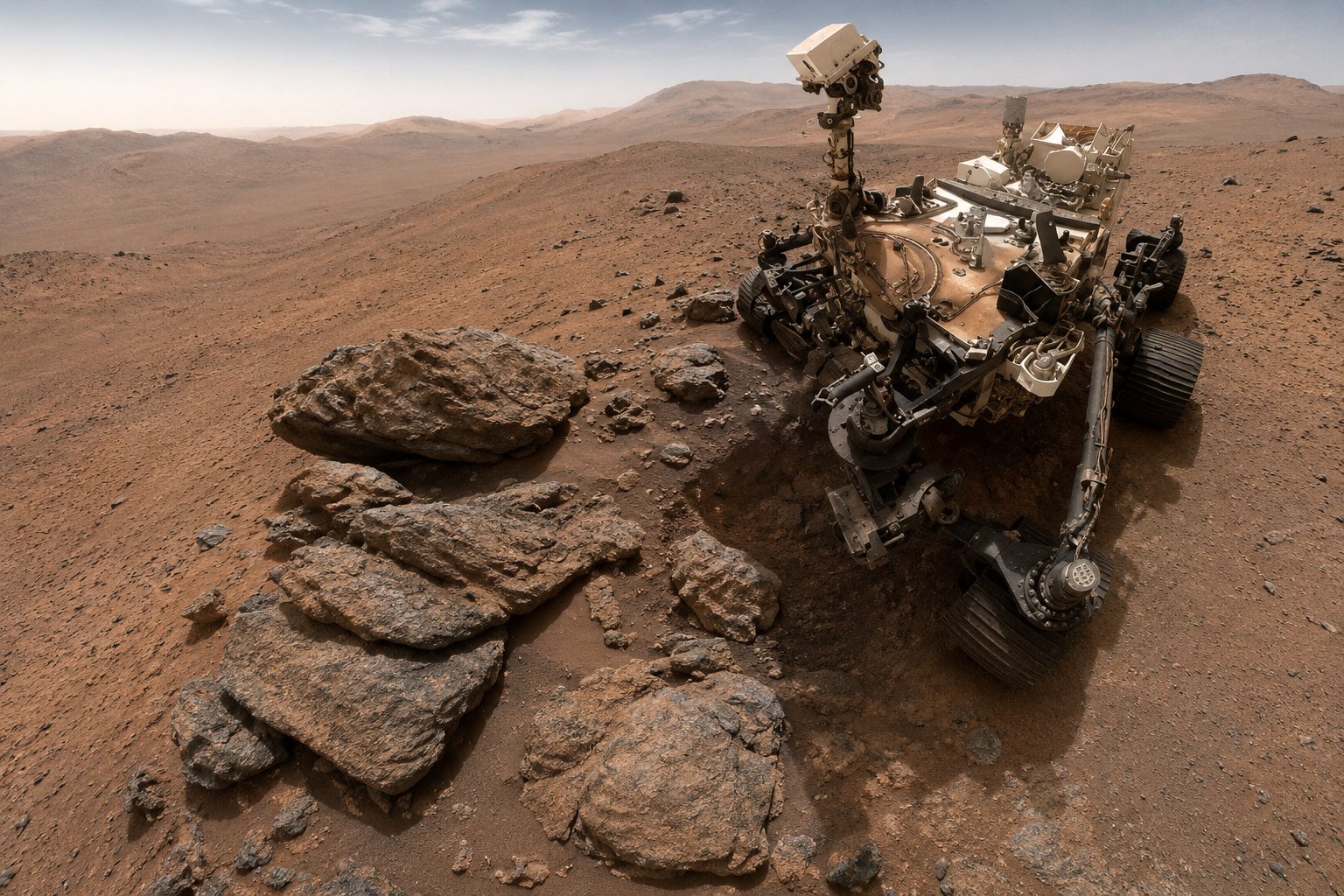
- NASA’s Perseverance rover is sitting at 26.13 miles traveled on Mars—42.06 kilometers—according to the latest location data from NASA, putting the vehicle roughly 135 meters shy of the marathon mark.
- The mileage figure is significant: Perseverance is still gathering samples over five years post-landing, even though the original mission was supposed to run just one Martian year.
- The odometer isn’t the main concern here. NASA’s real challenge: figuring out how to transport those sealed rock cores back to Earth so researchers can analyze them for possible biosignatures — hints that might suggest ancient life, though not definitive proof.
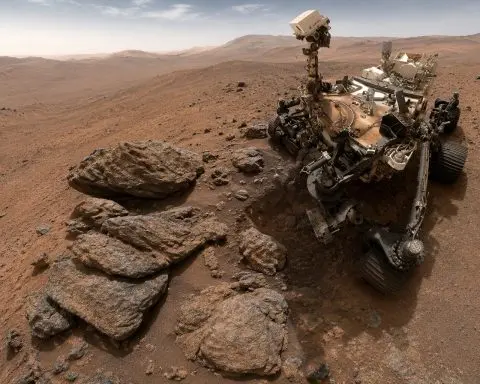
NASA’s Perseverance rover is closing in on a marathon: it’s now about 135 metres shy of logging 42.195 km on Martian soil, agency data show. As of Sol 1880, Perseverance had clocked 26.13 miles, or 42.06 km—just short of that marathon benchmark—according to NASA’s latest location map. This milestone comes as the rover pushes deeper into its extended mission, continuing to deliver fresh science from Jezero Crater.
The timing is key here—Perseverance has moved past simply showing it can endure. Its activities in and around Jezero Crater connect directly to NASA’s main goal for Mars: figuring out if rocks from that old lake and river system still hold signs of ancient microbial life, potentially dating back over 3 billion years.
The rover touched down on Feb. 18, 2021, kicking off a mission slated to last a single Martian year—roughly 687 days here on Earth. It’s gathered upwards of two dozen rock samples so far and continues operating, according to NASA’s mission page, which notes its role in the hunt for ancient microbial life and the ongoing Mars sample return project.
Back in May, Perseverance mission manager Robert Hogg told Reuters the rover would probably notch up a marathon’s worth of distance within a month. Latest NASA data shows Perseverance creeping ahead from 41.99 km to 42.06 km—just shy of making that marathon official.
Ken Farley, deputy project scientist for Perseverance at Caltech, told Reuters the rover is “in good health” with its power system set for at least another ten years. Still, how long Perseverance actually lasts will come down to NASA’s decisions. Back in December, NASA’s Jet Propulsion Laboratory announced engineers had determined that almost every subsystem on the rover should keep running through at least 2031. Reuters
“Sapphire Canyon,” the rover’s headline sample, was cored from a rock called “Cheyava Falls.” NASA is eyeing this one, saying it holds possible biosignatures—chemical or mineral signals that might hint at ancient life. Still, those signs aren’t conclusive yet; more research is needed. NASA Science
Farley told Reuters that confirming if those signals really point to Martian life means sending the samples back to Earth for lab analysis. “Perseverance will continue to collect rock samples,” he said, holding out hope for a future mission—robotic or crewed—to bring them home. Reuters
Reuters reports the rover has moved beyond Jezero Crater, currently investigating rocks estimated at over 4 billion years old. According to Farley, this landscape could mirror the Earth’s environment at the dawn of life, suggesting Mars offers a valuable window into pre-biotic chemistry — those chemical processes that come before life emerges.
NASA tweaked Perseverance’s driving capabilities too. According to JPL, a feature known as Mars Global Localization now enables the rover to match its camera images against orbital maps, figuring out its position on its own—no more standing by for instructions from Earth. JPL’s Vandi Verma compared the new tech to “kind of like giving the rover GPS.” NASA Jet Propulsion Laboratory (JPL)
The update might speed up the rover’s movements, but Mars is still no place for quick driving. Jeremy Nash, the JPL robotics engineer overseeing localization for Verma’s team, called it “a new ability”—solving a robotics challenge that’s lingered for decades. NASA Jet Propulsion Laboratory (JPL)
Perseverance shares the Martian surface with NASA’s Curiosity rover, which has been running science ops in Gale Crater since 2012. The real mileage champ, though, is Opportunity, logging 28.06 miles (45.16 km) before its mission wrapped up in 2019, according to Reuters.
There’s a catch: just being farther out, or lasting longer, doesn’t automatically clear the mission’s biggest hurdle. Last week, NASA wrote off its MAVEN orbiter as lost after months of radio silence. That’s a blow—MAVEN used to handle relays for data coming from Curiosity and Perseverance. Even so, NASA says other orbiters have picked up those duties.
But there’s a bigger wild card: actually getting those samples home. Perseverance is fully capable of sealing and storing the rock cores; the real test comes later, with a separate mission that would need to land on Mars, pick up the cache, launch it off the planet’s surface, and finally deliver it to Earth. For now, the rover’s discoveries are compelling hints—valuable, but not quite conclusive proof.