
HOUSTON, May 25, 2026, 11:02 CDT
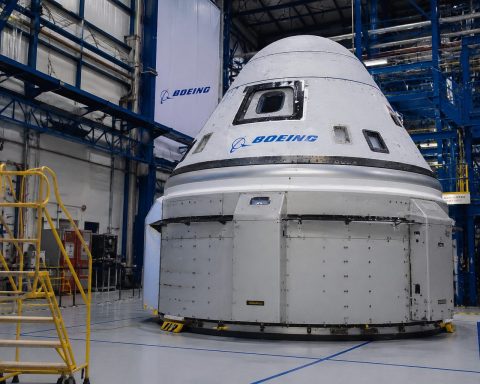
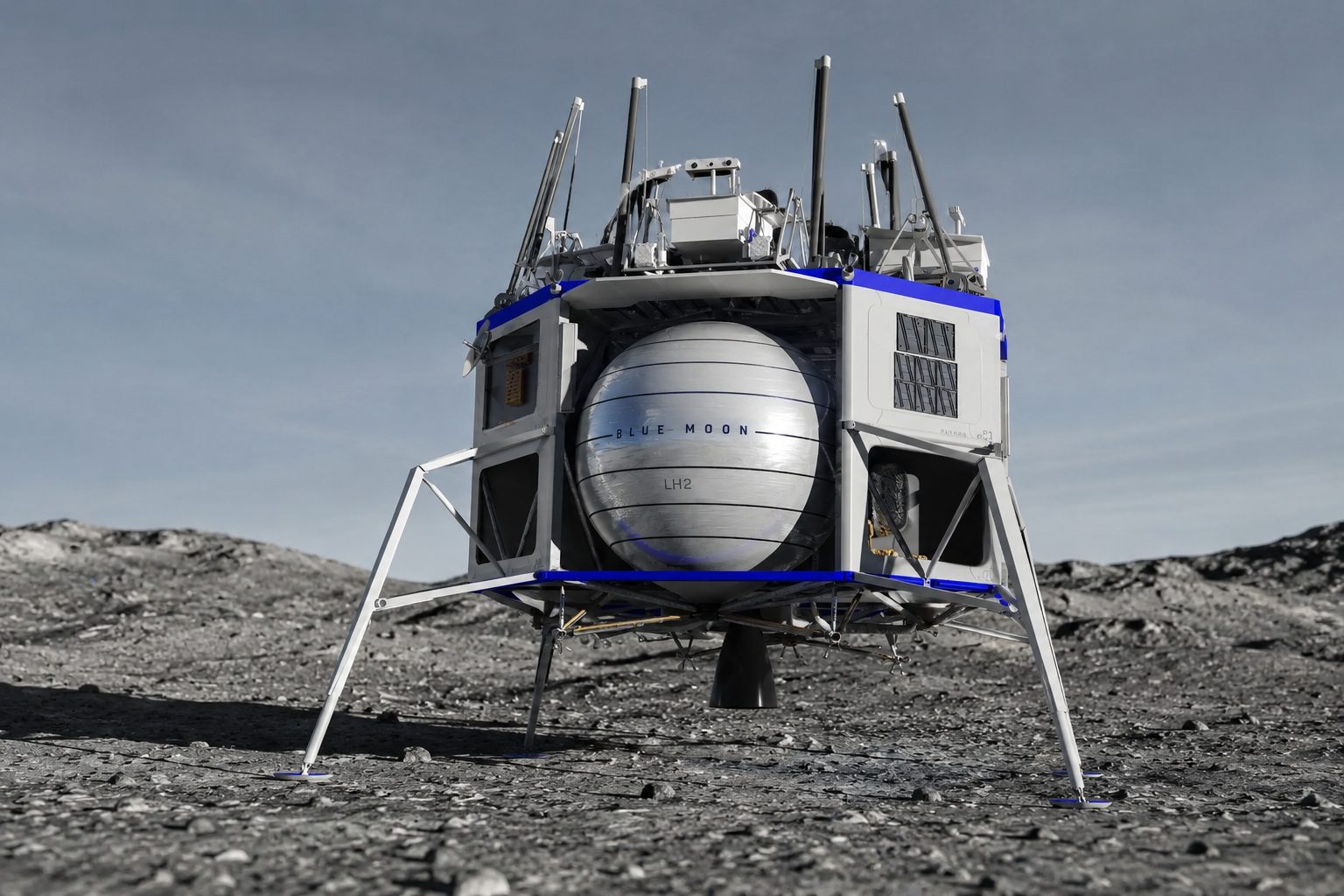
NASA is set to deliver a Tuesday update on its Moon Base plans, just as Blue Origin’s Blue Moon crew-cabin trainer goes live at Johnson Space Center. Astronauts can now step inside and practice maneuvers in the full-scale, non-flying lander model—one that could eventually ferry Americans back to the Moon. The trainer is a key piece in NASA’s effort to trial commercial lunar landers in Earth orbit by 2027, ahead of aiming for a human landing attempt in 2028.
This shift matters: Artemis III, originally set up as the first human landing on the Moon since Apollo, is now getting reworked into a near-Earth test run with fewer risks. According to NASA, Orion and a crew of four will lift off atop the Space Launch System, aiming to rehearse rendezvous and docking maneuvers with one or maybe both of the commercial landers—Blue Origin’s and SpaceX’s. Keeping the mission in low Earth orbit means the vehicles won’t stray far; if something goes off-script, crews can get back fast.
NASA will hold a news conference in Washington on May 26 at 2 p.m. EDT to talk about its Moon Base strategy, partners from industry, and upcoming mission plans. The panel includes Administrator Jared Isaacman, Lori Glaze, who is currently serving as acting associate administrator for exploration systems development, along with Moon Base program executive Carlos García-Galán.
Standing over 15 feet high, the Blue Moon trainer is stationed inside Johnson’s Space Vehicle Mockup Facility in Houston. NASA says both astronauts and ground crews will use it for everything from running mission drills and testing out communications, to spacesuit trials and prepping for moonwalks. The mockup also gives Blue Origin a way to gather design input from NASA as the actual flight lander goes through development.
Jeremy Parsons, who oversees the Moon to Mars program at NASA, described Artemis III as an “important stepping stone”—one of the agency’s most complex undertakings, since it combines Orion, crewed operations, and commercial landers in a single push. For this mission, NASA says the SLS will swap out the interim cryogenic propulsion stage for a non-propulsive spacer, a move that keeps the flight focused on its Earth-orbit test objectives. NASA
Competition here is straightforward. SpaceX has its Starship in the works for one human landing system; Blue Origin, for its part, is pushing ahead with Blue Moon Mark 2. These landing systems will ferry astronauts from lunar orbit to the moon’s surface and back. NASA lists Artemis III for 2027, with Artemis IV still aiming for an early 2028 lunar landing, according to its .
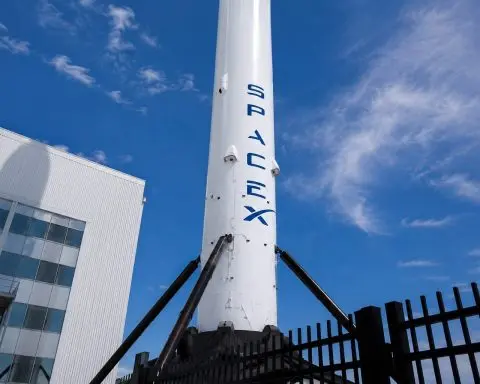
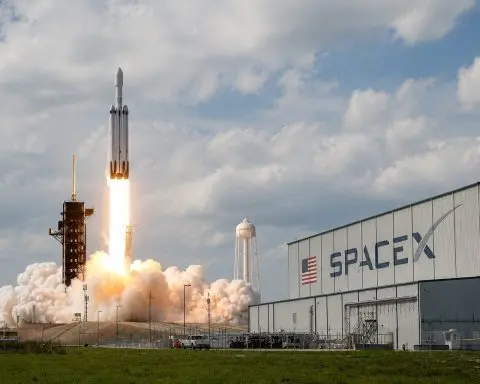
SpaceX turned up the heat on May 22, launching its Starship V3 for a test flight that, according to Reuters, checked off most key goals—stage separation, payload deployment, and a controlled splashdown made the list. Still, one engine didn’t make it, and the booster skipped its planned boost-back burn. “Another meaningful step forward,” was how Georgetown University research analyst Kathleen Curlee summed it up, though she flagged “some anomalies” in the flight. Reuters
Blue Origin is moving forward on another front. The Endurance, its compact Blue Moon Mark 1 cargo lander, wrapped up testing inside NASA Johnson’s thermal vacuum chamber—an environment designed to replicate space’s harsh temperatures and vacuum. NASA describes the lander’s upcoming demo mission as a testbed for key technologies: precision landing, cryogenic propulsion, and fully autonomous guidance, navigation and control. Those are the minimum requirements before anyone puts crewed vehicles on the line.
The training cabin isn’t actually flight hardware, and tougher challenges remain. SpacePolicyOnline noted that SpaceX’s Starship HLS and Blue Origin’s Blue Moon Mark 2 both still need to pull off in-space cryogenic propellant transfer—moving ultra-cold rocket fuel between vehicles while in orbit. That process, essential for lunar landers, hasn’t yet been proven at this scale.
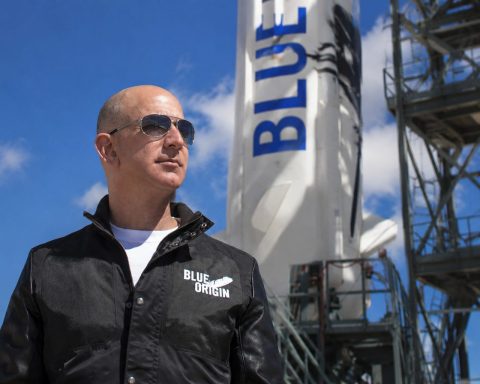
Blue Origin is doubling down on its lunar ambitions. Back in January, Reuters said the company would halt New Shepard space tourism operations for at least two years—shifting people and money to projects like New Glenn and Blue Moon. CEO Dave Limp had already told staff Blue Origin would move resources into those human lunar programs.
Back in 2023, NASA tapped Blue Origin as its second Artemis lunar lander supplier, signing a fixed-price contract for $3.4 billion. At the time, Lisa Watson-Morgan, who heads the agency’s Human Landing System program, pointed out that bringing in a second, separate lander design would mean more resilience for the mission, not to mention real competition—and ultimately, smoother scheduling for moon landings.
Scott Pace, who heads the Space Policy Institute at George Washington University, called the idea of making Artemis III an Earth-orbit lander test “excellent” in comments to Scientific American. NASA’s Glaze also described the docking demo as “absolutely key” for cutting risk, noting that astronauts will face a much higher-stakes version of the same maneuver far from Earth. Scientificamerican