
PARIS, May 26, 2026, 22:07 (CEST)
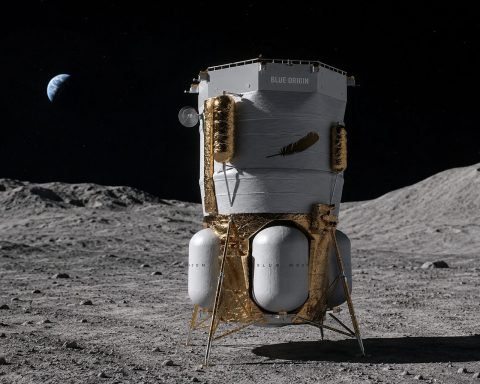
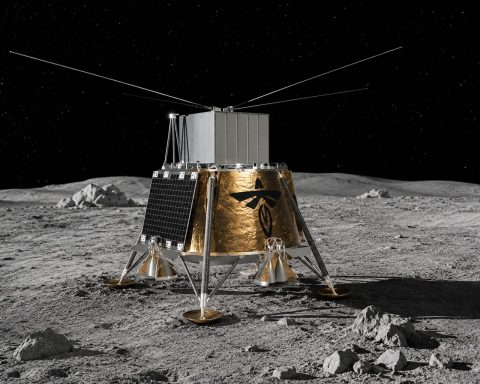
NASA on Tuesday backed its lunar surface base plans with funding and timelines, picking Blue Origin, Astrolab, and Lunar Outpost to jumpstart Moon Base development and slotting three surface missions for 2026. Administrator Jared Isaacman described the effort as “humanity’s first outpost” on another world—remarks that increased pressure on the European Space Agency, just as its chief cautioned that Europe is now vulnerable to shifts in the U.S. program. NASA
This isn’t a distant problem for Europe. ESA is already assembling key modules for Gateway, the planned outpost circling the Moon. That includes Lunar I-Hab, which is designed for crew quarters, Lunar View for supplies and propellant, and Lunar Link to handle communications. Now, an editor’s note at ESA’s own Gateway page flags that updates are coming to reflect the newest Artemis plans.
The clock is ticking. NASA’s initial Moon Base phase, set to continue through 2029, lines up a packed schedule: more robotic landers, rovers, and critical testing on power and comms around the lunar south pole. Over in Europe, ESA is staring down several decision points—political and budgetary—kicking off with a Council meeting this June, then a summit in September, followed by the exploration ministerial in December, and a full ministerial session in 2028.
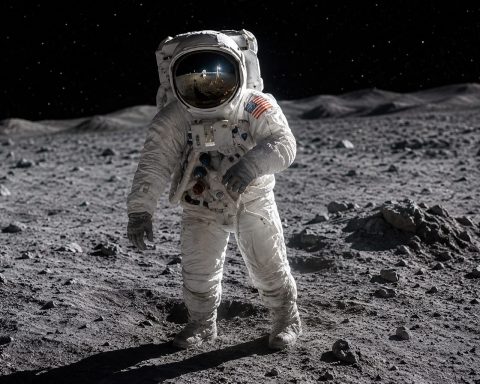
NASA’s latest budget request underscores the shift: Gateway is now tagged for lunar base camp work, and there’s no ask for discretionary funds for Gateway in fiscal 2027. According to the same filing, NASA still targets a U.S. astronaut return to the Moon in 2028.
Back in March, NASA opted to shelve—if not fully scrap—plans for a lunar orbital station, pivoting to a Moon base initiative instead. That switch-up, first reported by Reuters, pinned the price tag at around $20 billion to be spent over seven years. The sudden shift cast doubt on the future involvement of Japan, Canada, and ESA, despite all three having committed to Gateway hardware or services under Artemis.
The commercial landscape is shifting. SpaceX and Blue Origin are still the main U.S. contenders in the lunar lander race, with NASA urging them to pick up the pace as Artemis pivots away from orbital staging, focusing instead on getting people and gear onto the lunar surface. That ups the stakes—and the risks. Crewed lunar landers aren’t past the toughest engineering obstacles yet.
ESA Director General Josef Aschbacher put it bluntly at GLOBSEC: Europe’s lag in space is about dependency, not a lack of willingness to partner. “Multiply our investment” by two or three times, or “never catch up”—that’s his pitch, according to Payload. The catch? Member states may nod at the warning but balk at the price tag, with national space and defense budgets often headed in opposite directions. Payload
Back in March, SpacePolicyOnline editor Marcia Smith pointed out that while Gateway wasn’t the sole Artemis project with international input, it served as the linchpin. ESA was in for habitation and comms modules, Canada signed on with its robotic arm, Japan brought a pressurized rover, and the United Arab Emirates contributed an airlock. So NASA’s pivot goes beyond just tweaking the blueprint—it shakes up the whole coalition.
NASA isn’t signaling a solo effort here. On its Moon Base collaboration page, the agency stresses the base “cannot be achieved alone,” calling on companies, universities, international agencies, and other innovators to pitch in on the systems needed for a lasting lunar foothold. The sticking point: who gets control over the blueprint, and just how much influence partners retain after U.S. funds are on the table. NASA
Last week, The Register noted Aschbacher made his comments just before key ESA budget and policy calls, with all 23 member states wrestling with tight finances. Now, his task: convert the sovereignty pitch into real funding before NASA’s lunar agenda simply takes over as the main route.
Europe faces a tough call: either push for a new spot in NASA’s Moon Base program, shift Gateway efforts where it can, or finally commit serious funding to its own crewed spaceflight. Simply waiting remains an option—but that would probably see ESA stuck in the back seat when it comes time to talk terms.