
New York, May 26, 2026, 18:04 EDT
Executives linked to Surf Air Mobility, xAI, and SpaceX are looking to pull in $200 million for a new SPAC—FutureCorp Space Acquisition 1—set up to take a space firm public. The blank-check company plans to raise funds now, then hunt for a private space business to merge with.
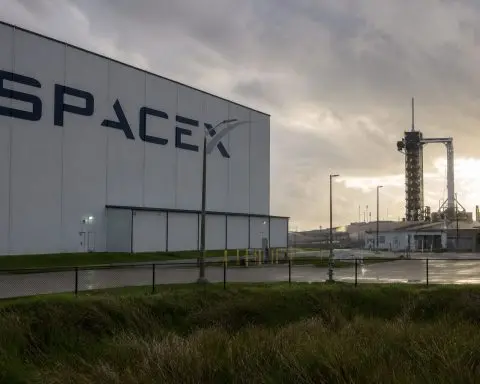
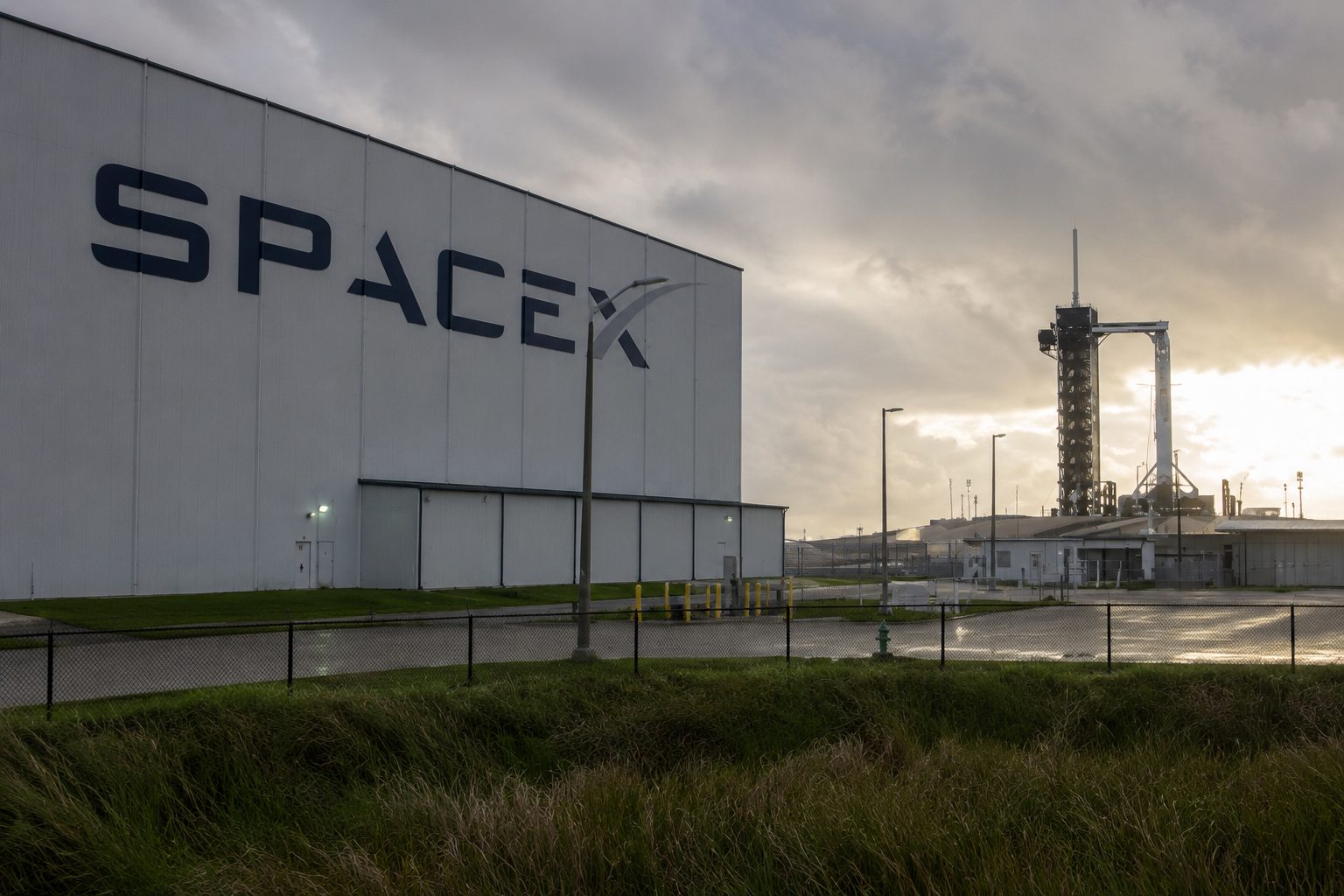
Timing is everything here. SpaceX looks set to stage what might become the biggest IPO ever, with bankers telling Reuters the company is eyeing a $75 billion raise at a valuation close to $1.75 trillion. They’re targeting a June listing, according to the report.
Cash has started to circle the margins. By late Tuesday, shares of Rocket Lab, AST SpaceMobile, and Redwire—all publicly traded stand-ins for the commercial space race—closed higher than the previous session. With SpaceX still off-limits, investors are reaching for these smaller names instead.
FutureCorp’s filings with the SEC outline a plan to offer as many as 23 million units—that figure includes the over-allotment. Every unit comprises one Class A ordinary share and half of a redeemable warrant. The warrant? Put two halves together and you can exercise them at $11.50 apiece for a share down the line.
Renaissance Capital puts the base offering at 20 million units, each priced at $10. Cantor Fitzgerald is running the books solo. Joshua B. Marks—Anuvu’s top executive—takes on CEO, CFO, and director roles; Surf Air Mobility co-founder Sudhin Shahani is listed as chairman.
The SPAC hasn’t picked a target yet. Its sights are set wide—space manufacturing, supply chains, launch platforms, in-orbit services and habitats, in-orbit computing and manufacturing, space telecom, Earth observation, and defense businesses are all in play.
SpaceX isn’t just another player—it’s the benchmark. Reuters says Starlink turned a profit in the first quarter, even as SpaceX overall tallied a $1.94 billion operating loss on $4.69 billion in revenue. Georgetown finance professor Reena Aggarwal points to a “halo effect” around Elon Musk and his ambitions but adds that valuing the company is tricky, with no real peers for comparison. Reuters
Everyone’s been piling into the same bet. In the month leading up to May 22, space-focused exchange-traded funds—those stock-like baskets—pulled in $1.3 billion in fresh money. Morningstar’s Bryan Armour told Reuters it’s typical: when something “new and shiny” shows up, new products follow. Reuters
FutureCorp starts out offering investors nothing in the way of an operating business. The company’s trust agreement requires that if a business combination isn’t wrapped up within 24 months post-offering, the account gets liquidated and funds go back to public shareholders, all according to the SPAC documents.
The broader IPO scene hasn’t exactly been a breeze. Out of the 50 priciest IPOs in the last five years, a Reuters analysis shows that nearly 75% trailed the S&P 500—sticking with the index fund would’ve paid off more often than not. “Unless you’re in from the start, it’s tough to turn a profit,” said Dennis Dick of Triple D Trading. Reuters
Yet the theme keeps drawing interest. Carol Schleif, chief market strategist at BMO Private Wealth, told Reuters investors are drawn to space thanks to their appetite for upbeat tech stories—think artificial intelligence, advanced manufacturing, and the like.
Now, FutureCorp faces its real moment: will that appetite still be there once SpaceX hits the tape? If the launch goes well, the SPAC walks away with a cleaner narrative to pitch. But if the market turns frosty, FutureCorp could be scrambling for a high-growth target—exactly as the sector gets both pricier and more crowded.