
GREENBELT, Maryland, May 26, 2026, 14:04 EDT
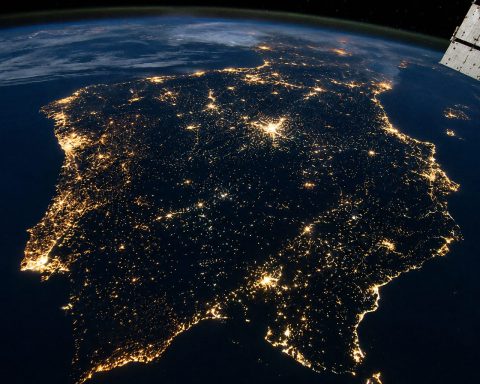
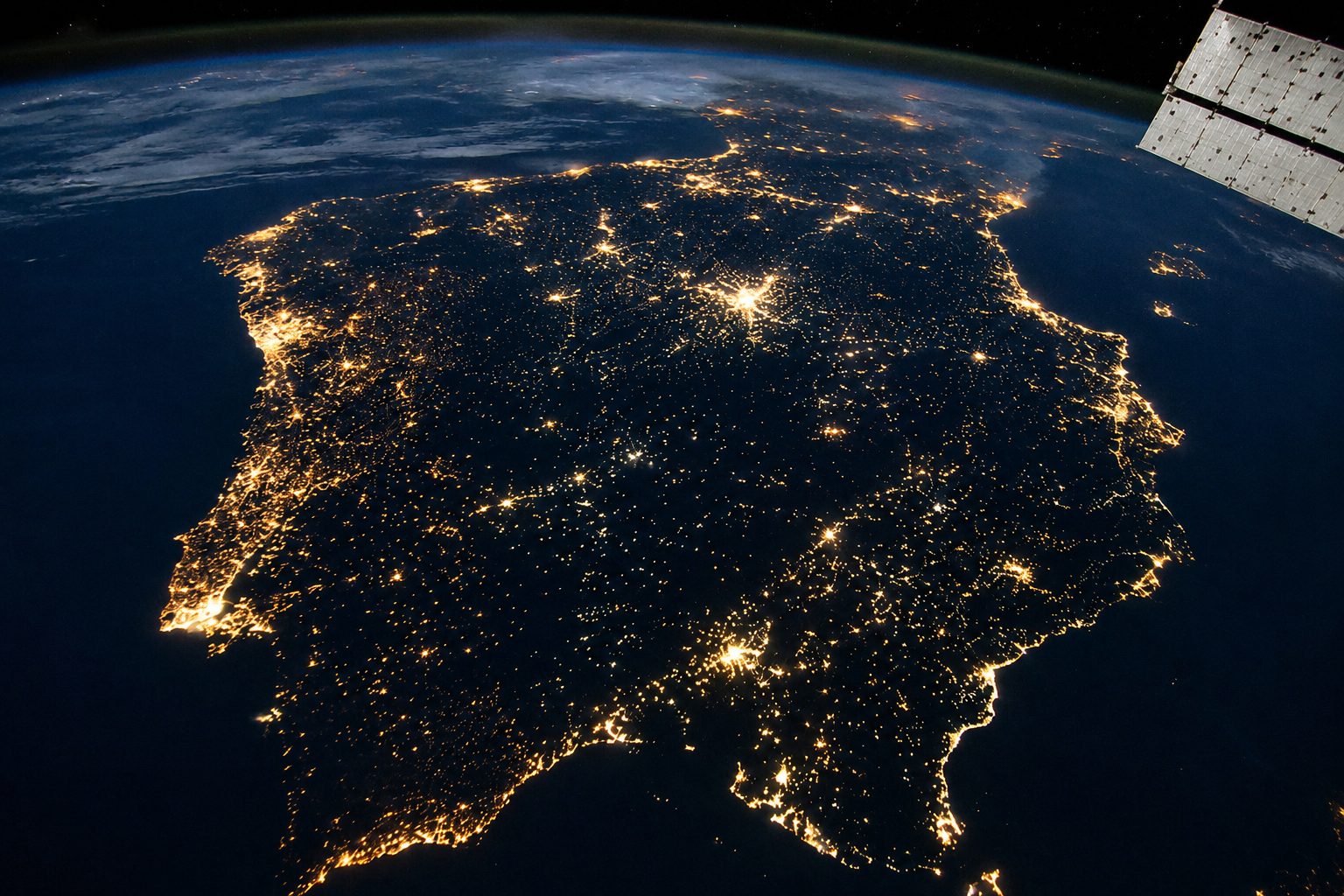
NASA’s Black Marble satellite data, spotlighted by Space.com on May 20, shows Earth glowing more at night overall, but with plenty of regions going the opposite way—getting dimmer. From 2014 through 2022, global nighttime radiance climbed 34%, as tracked by the NASA sensors. The numbers capture a complicated story: cities growing, power grids changing, conflicts flaring, and shifting energy policies all reshaping the nighttime map.
The result stands out: night lights now serve as a quick, visible read on activity that’s tough to track by other means—think spots using or losing power, growing city edges, disaster blackouts, or flares burning off waste gas. NASA Earthdata notes its Black Marble products deliver daily, monthly, and annual records; some high-grade data comes through in under three hours, close to real time.
Back in April, NASA pushed out the images as more than just a science project. Miguel Román, deputy director for atmospheres and data systems at NASA’s Goddard Space Flight Center, pointed to the data’s value for energy-sector analysis and national security, saying, “Earth at night has so much to teach us.” NASA also highlighted a comment from Deborah Gordon, a methane expert with Rocky Mountain Institute, who summed up gas flaring this way: “Flared gas is money burned.” NASA Science
The peer-reviewed study in Nature pulled data from 1.16 million daily Black Marble nighttime images, covering most inhabited land from 2014 to 2022. Over those nine years, the typical change in lighting location happened 6.6 times. Bright spots grew, too—total light jumped by 34% versus 2014 levels, even factoring in dimming, which reduced brightness by 18%.
The regional story is mixed. NASA Earth Observatory pointed to brighter nights in West Coast U.S. cities—more people, more light. Over on the East Coast, though, things got dimmer, which the researchers attributed to both economic shifts and a move toward efficient LEDs. China and northern India saw gains in brightness. Across the channel, France, the UK, and the Netherlands posted drops of 33%, 22%, and 21%. European nights, in particular, darkened steeply in 2022 as the energy crisis followed the start of the Russia-Ukraine war.
The maps reveal that a darker pixel isn’t always about decline. According to UConn’s write-up, the data picked up dimming linked to Ukraine, Syria, Yemen, and also to policies curbing light in Europe. Zhe Zhu, head of UConn’s Global Environmental Remote Sensing Laboratory, put it this way: dimming can signal adaptation when energy-saving efforts succeed.
The authors pointed out a range of disparate cases in Nature: urban growth in Guangzhou, conflict unfolding in Kyiv, shifts in Vietnamese agriculture, Paris environmental policy, changes in gas-flaring across the Middle East, hurricane-induced power losses in Puerto Rico, Charlotte’s suburban sprawl, and Venezuela’s dimming tied to its economic collapse.
But these figures don’t offer a tidy snapshot of wealth, safety, or emissions. According to the Nature paper, the data can get muddied by things like atmospheric noise, how the sensors are angled, or snow on the ground. To sort out what’s really going on, the team relied on trained analysts and pulled in outside sources to vet possible causes—though pinpointing what’s behind a specific local change still requires matching it to real-world events.
There’s a hardware competition happening in the background, too. Christopher Kyba, who researches nighttime light remote sensing at Ruhr University Bochum, points out that both the U.S. and China have multiple satellites tracking night lights. Europe, on the other hand, still lacks a satellite focused on this job. Kyba is part of a proposal for the European Space Agency’s Earth Explorer 13 mission, aiming to detect fainter sources and cut down on uncertainty about what’s really shifting.
The conversation has changed. It’s no longer just about Earth glowing brighter—now it’s about how that glow flickers. Electrification and expanding cities brighten some regions, while efficiency measures or blackouts dim others. Older annual averages smoothed out these ups and downs, but newer public records capture the shocks in sharper detail.