
WASHINGTON, May 26, 2026, 13:09 EDT
NASA Administrator Jared Isaacman is set to brief reporters Tuesday in Washington, outlining the agency’s Moon Base strategy, mission details, and naming new industry partners—a moment that should reveal how his push for a quicker Artemis cadence is faring in practice. The briefing kicks off at 2 p.m. EDT from NASA headquarters.
The timeline is crucial here: NASA has shifted gears from pitching a moonshot concept to actually demonstrating it can deliver. Artemis II—first crewed lunar journey since the Apollo era—came home on April 10, splashing down with four astronauts after circling the moon. Now, NASA says the focus shifts to Artemis III and moon landers built by commercial partners.
Speaking at ASCEND 2026 last week, Isaacman urged the industry to move quickly—NASA, he said, needed urgency to get back to the moon, set up a base, and kickstart the lunar economy. “No time to waste,” he wrapped up. Corey Smith, nuclear engineering lead at Analytical Mechanics Associates, was blunt: “Everything’s been a decade away.” Nora Bailey, from Neutralino Space Ventures, flagged another worry: the science budgets, she said, are “pretty actively divesting in science.” Aerospace America
NASA is reshuffling its internal structure to reflect its new direction. On Friday, the agency announced that mission directorates will now report straight to the administrator, while Associate Administrator Amit Kshatriya steps in as chief engineer as well. Isaacman described the shift as a push toward “moving safely and urgently.” NASA
Isaacman, in a staff memo dated May 22, outlined several priorities: standardize the Space Launch System—NASA’s flagship heavy moon rocket; increase launch cadence; establish a permanent Moon Base; set up a Space Reactor Office; and spur business in low-Earth orbit, targeting the commercial zone a few hundred miles up.
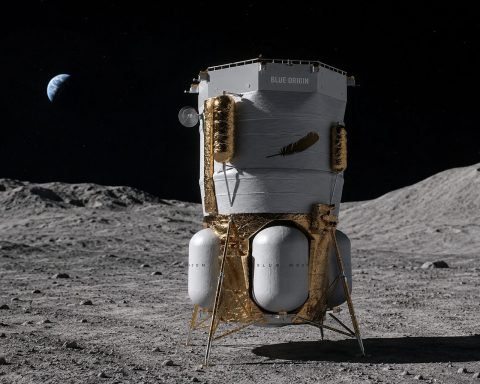
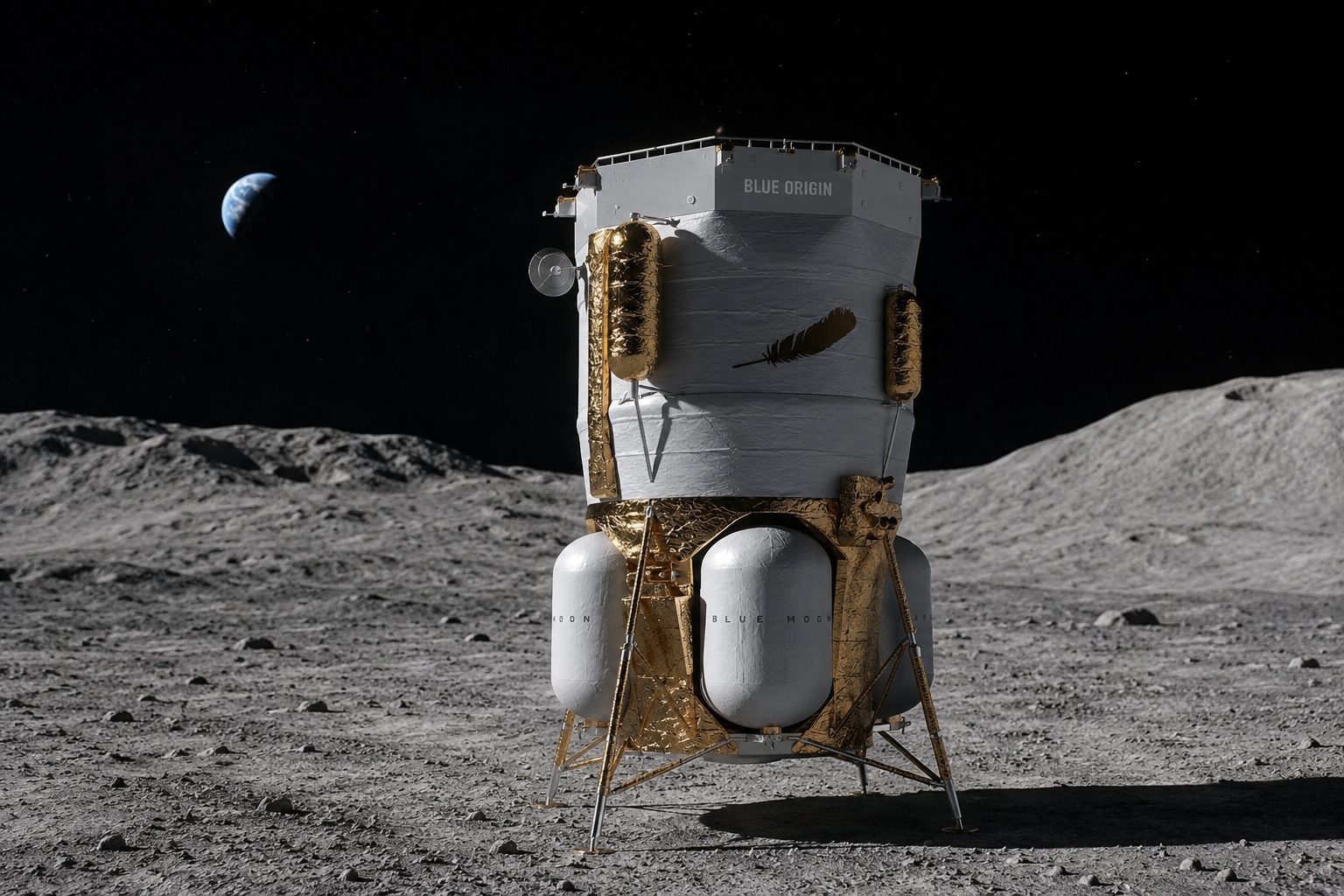
SpaceX and Blue Origin are feeling the squeeze. According to NASA’s Artemis III page, the 2027 mission is set to focus on rendezvous and docking—basically, linking up in orbit—between Orion and one or both of their commercial landers. The actual lunar landing comes later.
Back in April, Isaacman informed lawmakers that NASA got replies from both SpaceX and Blue Origin regarding the Artemis III test slated for late 2027, according to Aerospace America. That report also noted that Artemis III has shifted to a crewed low-Earth-orbit demo, rather than the milestone post-Apollo lunar landing.
Following Artemis II, Isaacman described the revised timeline as intentionally echoing the Apollo program. “Nobody wants to come in second place,” he told reporters. The competition, he pointed out, is happening over the course of months—“not in years.” WOAI
The plan could crack easily. NASA’s updated approach hinges on commercial landers, successful docking demonstrations, new spacesuits, and uninterrupted funding—all of which must align. The agency’s own timeline, released in February, lays out at least one lunar landing per year after Artemis IV in 2028. But funding remains a vulnerability: Aerospace America noted in April that the administration’s fiscal 2027 budget proposal targeted science programs for major cuts. Lawmakers had already rejected similar reductions in the last budget cycle.
NASA is casting a wider net internationally. The agency announced last week that the Artemis Accords now count 67 member nations—six new ones just signed on. In a recent Lima workshop, signatories traded views on lunar landings, shared rules on non-interference, and talked data sharing.
Tuesday’s briefing for Isaacman isn’t a branding exercise—it’s about when things actually arrive. That ASCEND speech sent a signal to the industry; now, the Moon Base update is expected to reveal how much of the earlier urgency has translated into real-world hardware, signed contracts, and concrete timelines.