
New York, June 8, 2026, 12:04 EDT
- People familiar with the deal say SpaceX has attracted roughly $150 billion in demand for its anticipated $75 billion IPO.
- The company is rolling out an unusual fixed-price method ahead of expected pricing on June 11, with trading on Nasdaq slated for the following day.
- Starlink’s cash flow is under the microscope, while investors also factor in ongoing losses, Musk’s tight grip, and his aggressive pushes into AI and orbital data centers.
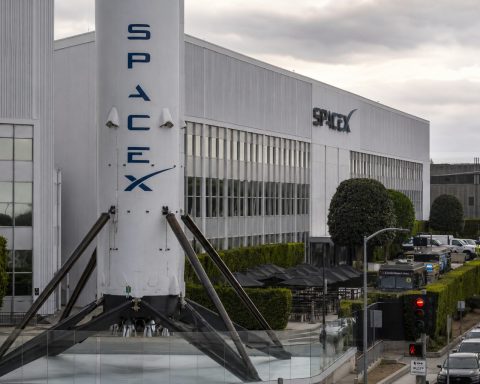
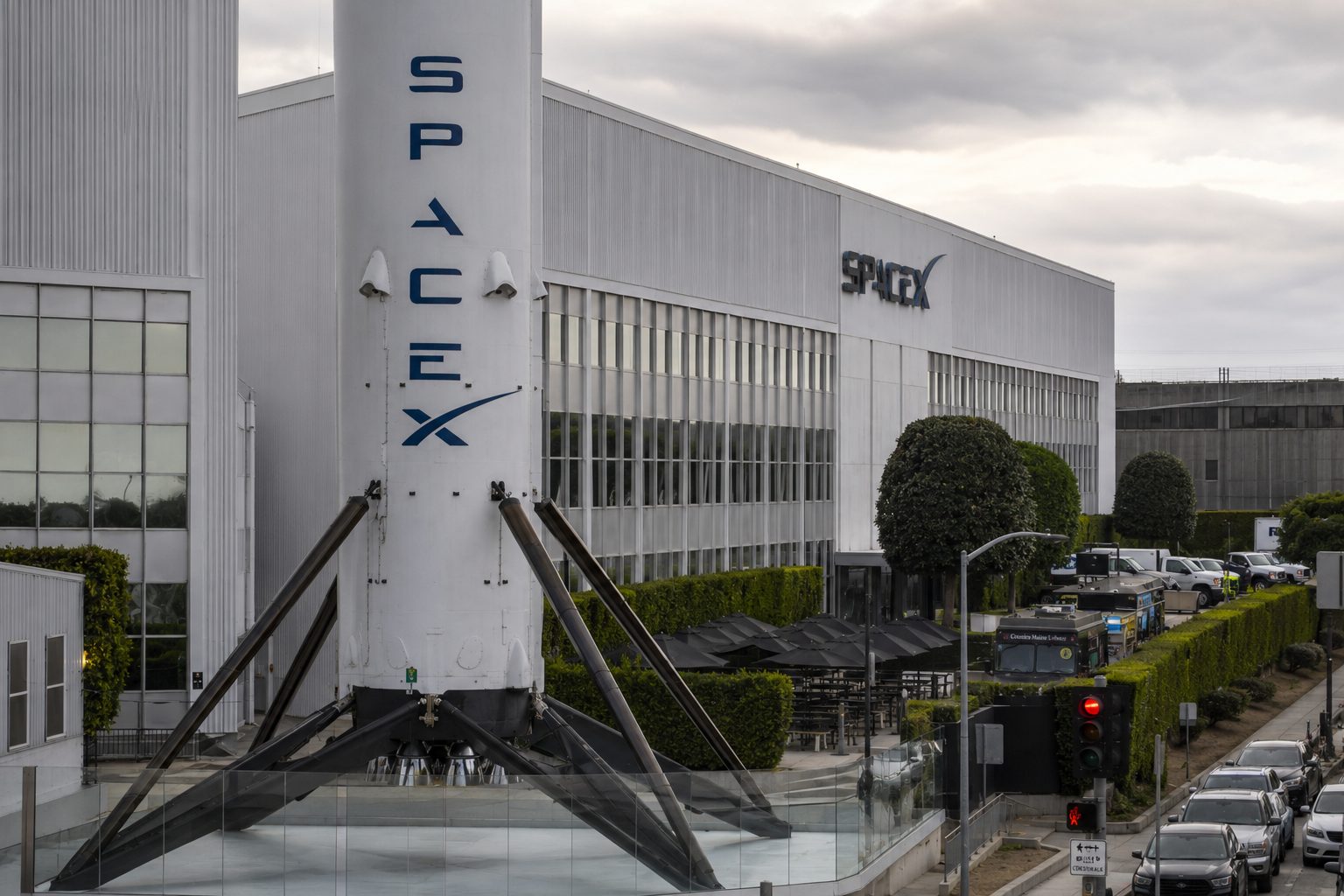
Investor demand for SpaceX’s planned $75 billion IPO is already running at roughly double the amount on offer, with orders piling in. Elon Musk’s rocket and satellite company appears set to challenge public markets with what could be the biggest stock-market listing ever.
Now that the deal is nearing its endgame, investor appetite is coming into sharper focus. SpaceX has set a target price of $135 per share—skipping the typical IPO price range—and plans to price the offering on June 11, with Nasdaq trading set to kick off June 12 under the SPCX ticker.
If the company lists, investors finally get a broad shot at owning a piece of the business behind Starlink and the launch market shake-up. Bloomberg earlier highlighted the IPO filing as an unusual window into the financial workings of Musk’s space firm—issues like valuation, listing venue, and financials are grabbing attention.
SpaceX is looking to offload 555.6 million shares, eyeing a roughly $1.75 trillion valuation, Reuters reported last week, citing sources familiar with the situation. Proceeds are pegged for projects like boosting AI computing power and expanding satellite operations.
SpaceX disclosed in a June 3 SEC filing that it registered as many as 631.5 million Class A shares, pricing them at $135 apiece. That figure includes potential shares for underwriters’ over-allotments, bringing the total possible offering to roughly $86.25 billion. The amended S-1 registration statement went up the same day.
This isn’t your typical Wall Street bookbuild. Matt Kennedy, senior strategist at Renaissance Capital, told Reuters that anchoring the roadshow with a fixed price shifts the dynamic, making it “more of a sales process.” Brian Jacobsen, chief economic strategist at Annex Wealth Management, added that the hefty retail slice could serve as a “safety net.” Reuters
SpaceX is eyeing a bigger retail presence in its planned offering, with Reuters reporting up to 30% could go to individual investors—a rare move for a high-profile IPO. Musk, though, would still hold firm on voting control post-listing.
The risk sticks out. Orders can shift before final pricing, and a two-times oversubscription might sound slim for a buzzy IPO—though the sheer scale here puts the demand in a different league. SpaceX booked a net loss in 2025, and a lot of the valuation hangs on ventures still under construction, like its space-based AI data centers and Starship, the heavy-lift rocket that’s still in the testing phase.
The tension gets clear when you stack up the numbers. Reuters puts SpaceX trading at around 93.7 times its 2025 revenue if it hits that $1.75 trillion valuation, while Rocket Lab comes in higher at about 118 times, Palantir at 81, and Tesla sits way below at just under 17—each based on trailing price-to-revenue. As for price-to-earnings, that metric’s off the table for SpaceX; they ended last year in the red.
Ripple effects from the IPO are being felt across the space sector. Quantum Space, where ex-NASA chief Jim Bridenstine is at the helm, announced plans Monday to go public via a SPAC deal pegging its valuation near $1.2 billion. Reuters pointed out that investor enthusiasm is picking up before SpaceX’s own debut.
The public-market run is shining a spotlight on President Gwynne Shotwell inside SpaceX. Shotwell, with the company since 2002, often gets credit for translating Musk’s ambitions into actual deals and operational milestones. Jim Cantrell, one of SpaceX’s early execs, described her to Reuters as “a bridge” between Musk’s vision and reality. Reuters
For the moment, it’s Musk, Starlink, and the promise of massive scale driving the narrative. Craig Coben, who previously worked in capital markets at Bank of America, told Reuters that a company with this much IPO buzz can set the rules and expect investors to play along. This week should reveal just how much leeway that star power really buys.