
NEW YORK, June 8, 2026, 16:03 EDT
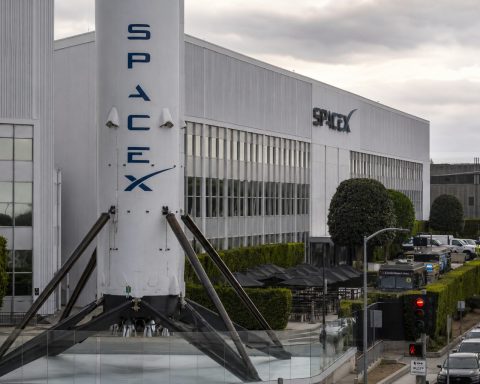
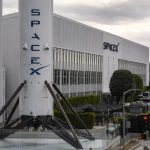
Just days ahead of its hotly anticipated Nasdaq launch, SpaceX’s record-setting IPO is under a magnifying glass. Investors are sizing up the $75 billion offering, while Elon Musk works to reposition the rocket and Starlink business as an artificial-intelligence infrastructure powerhouse.
The deal’s timing is key: it opens a window for public investors to get into one of the world’s priciest private players, right as SpaceX asks the market to commit to a $135-a-share price tag. That covers rockets, satellite internet, and orbital data centers. According to a June 4 filing linked to the offering, SpaceX has put up 555,555,555 shares for sale, with trading set to begin June 12 on both Nasdaq and Nasdaq Texas under the ticker “SPCX.” SEC
Investors are piling in, but the frenzy has its limits. According to Reuters, SpaceX has attracted roughly $150 billion in interest for its IPO—double the $75 billion target. People familiar with the deal told Reuters the numbers could still shift before final pricing.
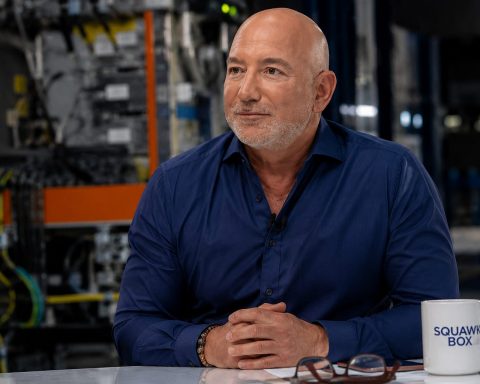
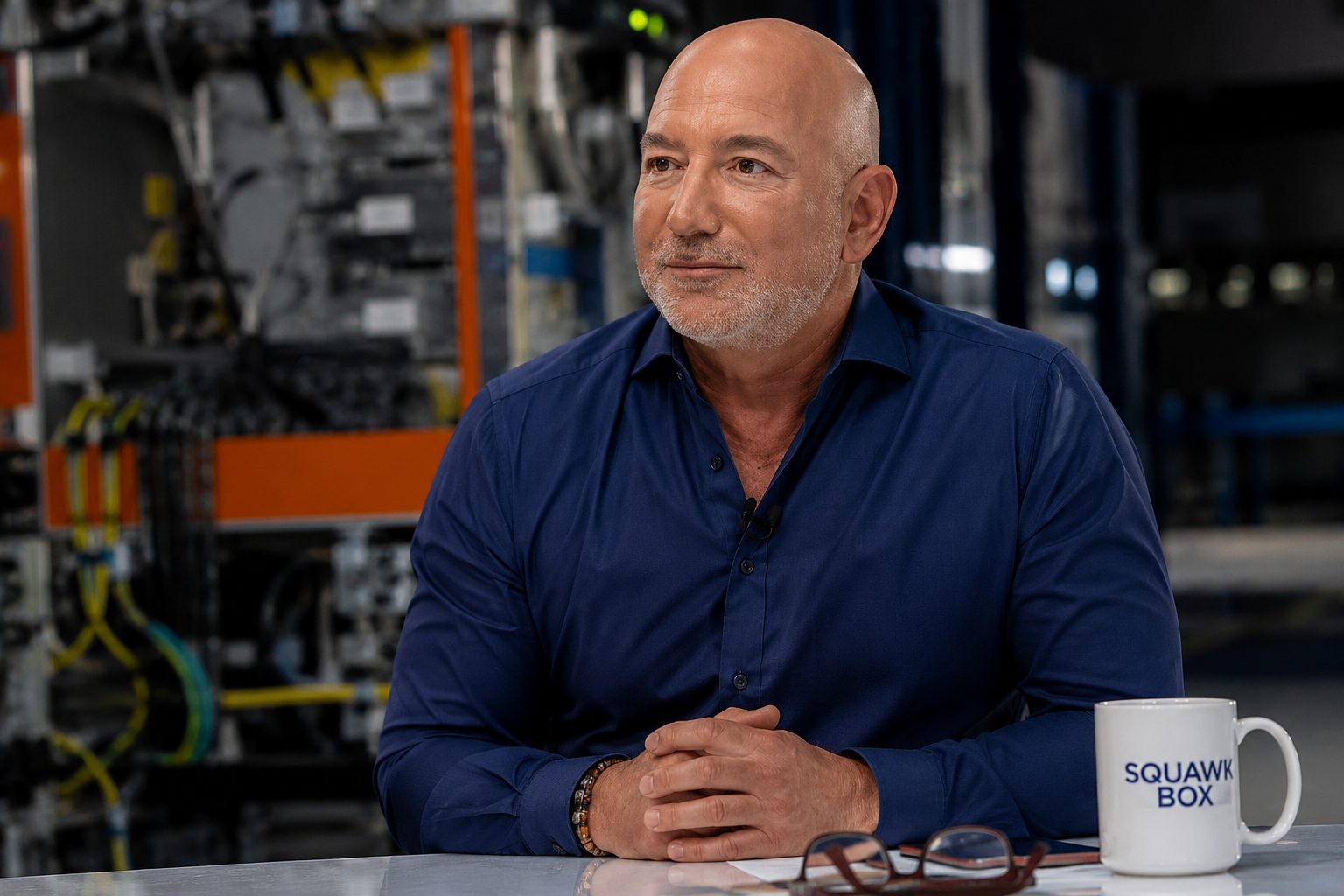
Blue Origin’s Jeff Bezos, also Amazon’s executive chairman, threw his weight behind the sector in a CNBC interview last month, though he avoided commenting on SpaceX’s reported valuation. “Space is going to be a gigantic industry,” Bezos said. As for what SpaceX should be worth, he wasn’t taking a stand: “I don’t know if it should be $1.5 trillion, $1.75 trillion, $2 trillion or more.” Versant Press Room
SpaceX is bucking the norm with its fixed-price IPO pitch—most companies opt for a price range, then tweak the number after bookbuilding. According to Weiheng Chen, a senior partner at Wilson Sonsini Goodrich & Rosati who spoke with Reuters, Musk’s “take-it-or-leave-it” style might just fly, helped by his loyal base and the fact that there aren’t any real peers to compare with. Reuters
Starlink remains front and center in SpaceX’s business story. The company’s SEC filing puts around 9,600 Starlink satellites—broadband and mobile—circling in low-Earth orbit, supporting some 10.3 million subscribers spanning 164 countries, territories, and additional markets as of March 31.
The listing picks up both a space and a telecom twist. Last week, Oppenheimer flagged Starlink as a possible threat to major U.S. broadband names—AT&T, Verizon, T-Mobile—and bumped its 2035 space revenue projection up to $800 billion from $500 billion.
Execution plays its own role in the story. On Monday, Reuters highlighted SpaceX President Gwynne Shotwell, who came aboard in 2002 and, according to ex-colleagues, made Musk’s big plans actually happen. Jim Cantrell, one of SpaceX’s early execs, described her as “a bridge between what Elon wanted and what could be done.” Reuters
Still, the risks aren’t minor. Steve Eisman—the investor who famously shorted the U.S. housing market ahead of the financial crisis—told CNBC he has no plans to short SpaceX, but raised concerns about the scale of the company’s spending. He pointed to heavy outlays for long-term assets like equipment and data centers. “The entire company is being bet on AI,” Eisman told Business Insider. Business Insider
Another wrinkle: stock supply after the IPO. On Monday, Reuters Breakingviews pointed out that SpaceX might float less than 5% of its shares, which means a sizable chunk would remain with insiders—potentially putting future pressure on the stock. Underwriters Goldman Sachs and Morgan Stanley have carved out staggered lockups, split across 16 separate tranches, restricting when those holders can sell.
At this point, the deal is as much about scarcity as it is about profit. SpaceX brings its unmatched launch tally, Starlink’s reach, and Musk’s loyal capital behind it. The key for Friday: Will public investors see this as next-gen infrastructure, or just another private-market play arriving with a steep tag?