
WASHINGTON, May 31, 2026, 17:01 EDT
An explosion on Blue Origin’s New Glenn rocket has thrown a new wrench into NASA’s Artemis moon schedule, hitting just days ahead of the agency’s crew announcement for Artemis III. The blast tore up Blue Origin’s Florida launch pad, casting doubt on timelines for lunar landers, rovers, and critical cargo missions that NASA has to pull off before getting astronauts back on the surface.
This latest delay shifts Artemis III away from its original moon landing target. NASA’s reworked plan puts the mission in Earth orbit for 2027, turning it into a test run. Orion is set to rendezvous and dock with commercial lunar landers there—those are the vehicles that would actually ferry astronauts between lunar orbit and the surface.
NASA is set to reveal the Artemis III crew on June 9 at Houston’s Johnson Space Center. The mission aims to put “critical rendezvous and docking capabilities” to the test between Orion and commercial human landing systems, following Artemis II’s successful crewed lunar flyby in April. NASA
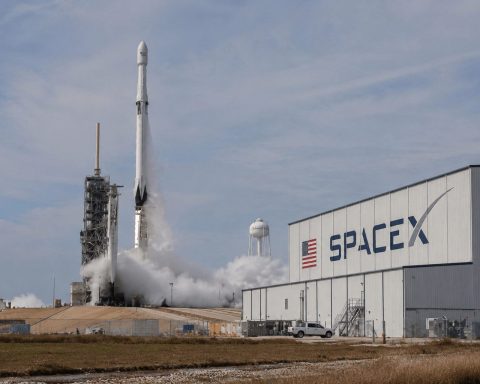
Blue Origin’s New Glenn rocket—321 feet tall—exploded during an engine test at Cape Canaveral Thursday night, according to the Associated Press, tearing up part of the launch pad in the process. Authorities said no one was hurt, but emergency crews cautioned locals against handling any debris that could wash up onshore.
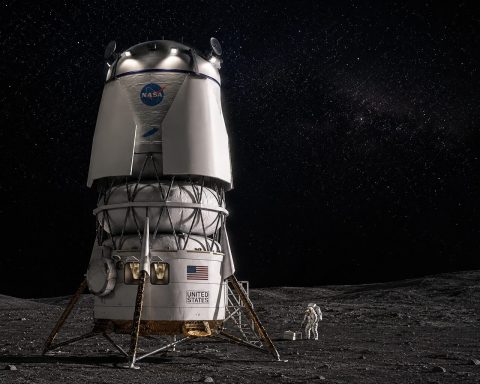
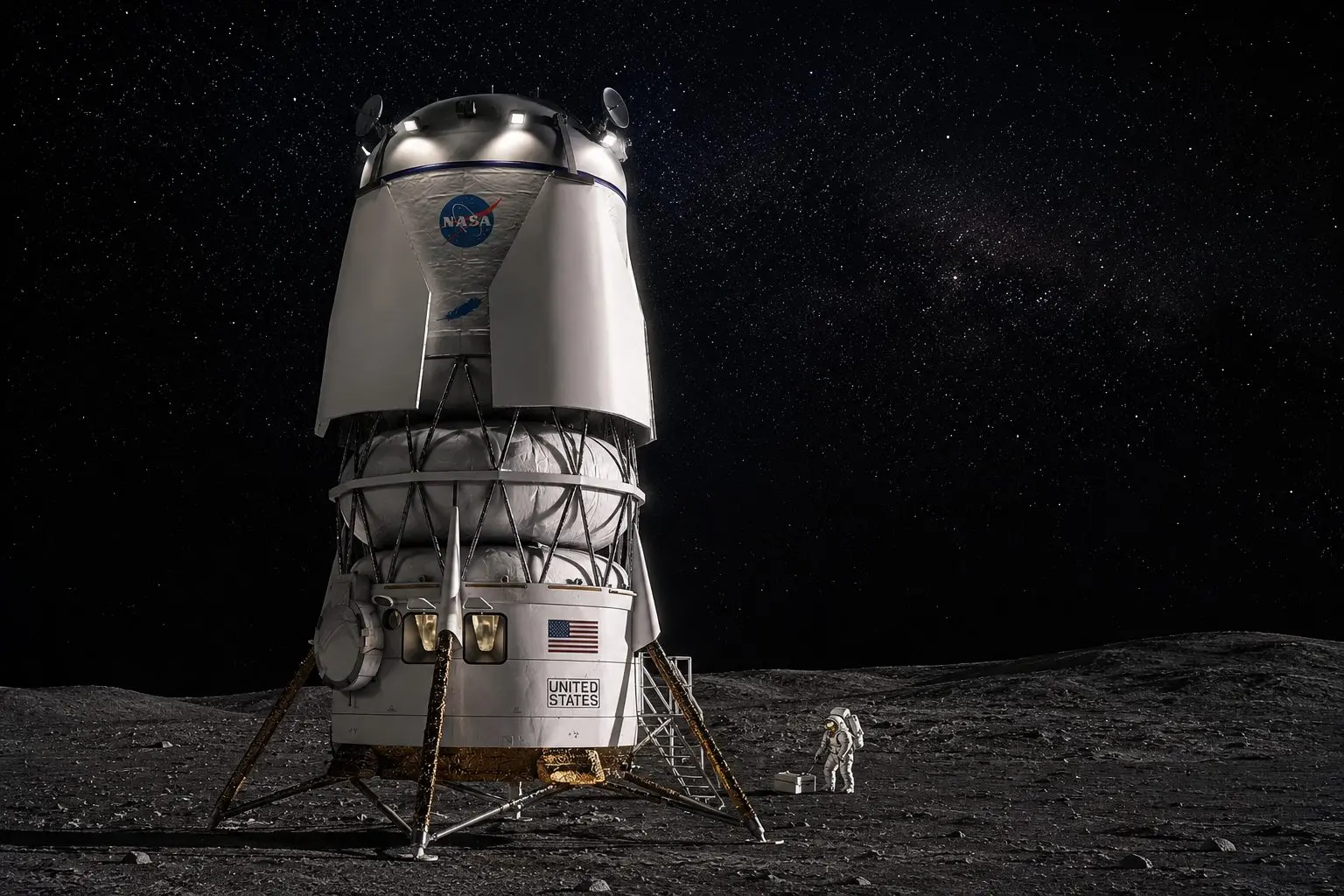
New Glenn isn’t simply one more entry in the crowded launch sector. NASA is banking on Blue Origin’s rocket to send Blue Moon lunar landers up for Artemis, with some launches specifically testing the tech ahead of putting astronauts near the moon’s south pole. But after the May 28 explosion, Nature reported that NASA’s lunar ambitions—already under scrutiny after the Artemis II launch in April—are “in trouble.” Nature
Just days ago, NASA selected Blue Origin and several others for lunar projects, handing Blue Origin a $188 million contract to send rovers with its uncrewed Mark 1 lunar lander. According to Reuters, Astrolab and Lunar Outpost landed deals for lunar terrain vehicles, and Firefly Aerospace was tapped for a MoonFall drone mission set for 2028.
Competitive heat is unmistakable. SpaceX stays out in front as the top U.S. launch provider and has its hands on the Artemis lunar lander project. Blue Origin, for its part, is still out to show it can deliver as NASA’s second heavy-lift option—and win over commercial players like Amazon’s satellite venture.
Repairing the pad could be a months-long process, analysts said. “It will take months to rebuild,” Antoine Grenier, partner and space consulting head at Analysys Mason, told Reuters, though he believes Blue Origin can bounce back. Mark Boggett, CEO of Seraphim Space, pointed out the need for strong alternatives in the market, even if SpaceX picks up short-term advantage. Reuters
The larger concern: lunar payloads aren’t simple to transfer between rockets. Reuters pointed out the difficulties—spacecraft layouts are tailored for particular launch vehicles, making swaps tricky. NASA is still weighing what this could mean for its Artemis and Moon Base efforts in the near term.
NASA has mapped out a multi-step approach. For Moon Base I—which won’t launch before fall 2026—the agency’s plan calls for Blue Origin’s Blue Moon Mark 1 Endurance lander. That vehicle would deliver NASA payloads to Shackleton Connecting Ridge, a site near the lunar south pole. NASA picked the spot to test hardware ahead of Artemis crew landings slated for 2028.
Jared Isaacman on May 26 called the Blue Origin mission “especially important,” citing the company’s Artemis involvement. NASA, he added, is getting ready to start stacking Artemis III this summer, aiming for a mid-2027 launch. NASA
NASA’s options are limited here. Artemis III needs to stay on schedule as a docking test, with no delays from Blue Origin’s pad mishap creeping into the timeline for the first crewed landing. The rivalry with SpaceX is also in play. NASA has called Artemis III “an important stepping stone” to Artemis IV, the mission now slated to return astronauts to the lunar surface. NASA