
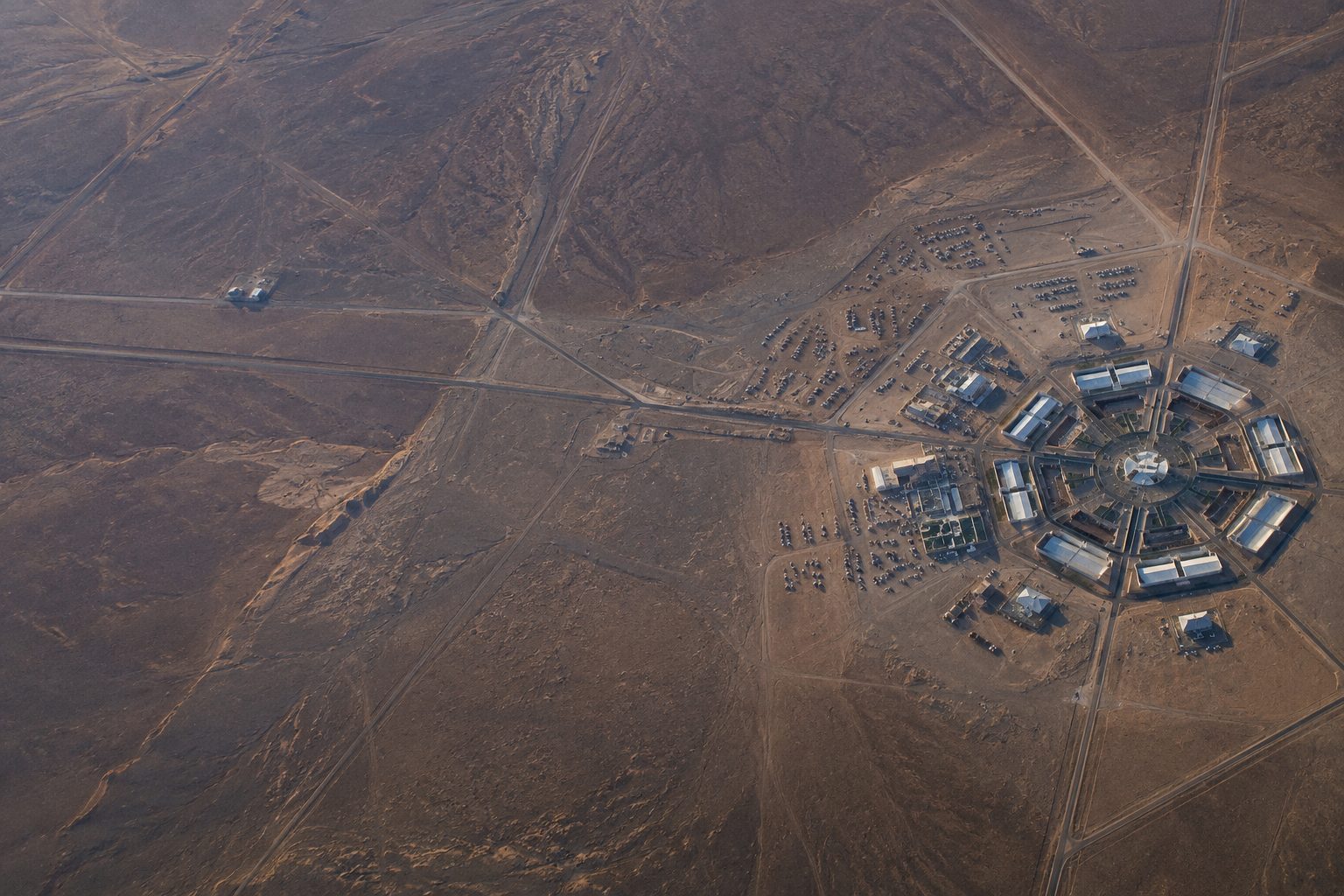
Hami, China, June 1, 2026, 04:03 (China Standard Time)
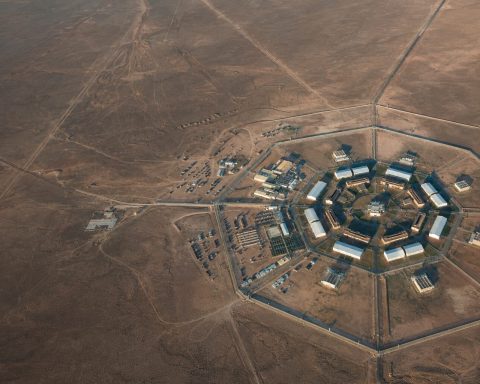
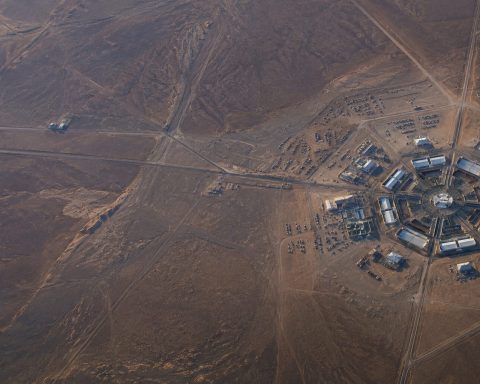
China has added more than 80 launch pads and three distinctive octagon-shaped structures near its Hami nuclear missile silo field in Xinjiang, according to satellite images reviewed by Reuters. Analysts say this desert buildout could complicate any attempt to take out Beijing’s land-based nukes in a first strike. “Grand scale,” said Alexander Neill, adjunct fellow at Hawaii’s Pacific Forum. Hans Kristensen with the Federation of American Scientists described it as an “extraordinary effort.” Tong Zhao of the Carnegie Endowment sees “a real possibility” some of these towers and octagons are linked to C3—command, control and communications. Reuters
This finding is significant at the moment because it reaches further than one-off silos. Second-strike capability—surviving a nuclear hit and retaliating—relies not just on missiles. It also requires roads, launch pads, electricity, communications links, and shielding against air or missile strikes.
The timing was striking: defence officials were in Singapore for the Shangri-La Dialogue when U.S. Defense Secretary Pete Hegseth issued a blunt warning about China’s military expansion, calling for “rightful alarm” and pressing Asian partners to boost spending on ships, submarines, and other deterrents. That urgency spilled over into the satellite findings, giving them the weight of immediate policy debate—not just arms control. Reuters
China hasn’t identified the new desert sites as nuclear facilities. Back in April, the foreign ministry reiterated that the country sticks to a self-defensive nuclear posture, maintains only the minimum arsenal required for security, and upholds a “no first use” doctrine—meaning it claims it wouldn’t be the first to launch nuclear weapons in a conflict. China MFA
Still, the images don’t tell the whole story. Pads, bunkers, tracks, towers, and military vehicles show up for analysts, but the orders, warheads, or any deployment plans remain out of sight. That leaves Washington, Beijing, Tokyo, or Taipei facing ambiguity—defensive fortifications might look like a prelude to action.
The Xinjiang expansion throws new light on previous satellite analyses of another military project close to Beijing. On May 20, Futura said satellite images had spotted a sprawling underground military complex near the capital. Earlier, the Financial Times pointed to a 1,500-acre construction zone roughly 30 km southwest of Beijing, which U.S. officials suspect could serve as a wartime command center.
Last week, the International Institute for Strategic Studies flagged the danger: a U.S.-China clash over Taiwan might spiral into nuclear escalation should both sides go after command and communications networks. IISS senior fellow Daniel Salisbury pointed out the absence of a “culture of discussion” in today’s U.S.-China nuclear relationship—something Washington managed with Moscow back in the Cold War. Reuters
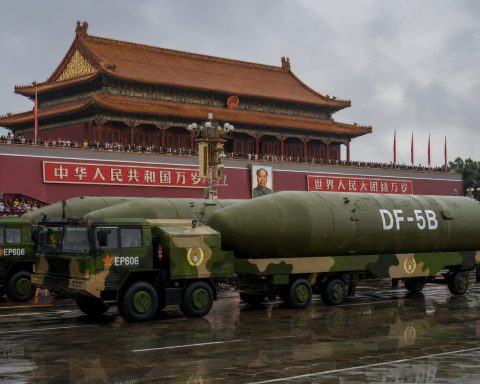
China remains well behind the United States and Russia in nuclear warhead numbers. The Federation of American Scientists’ 2025 estimate puts China’s arsenal at roughly 600 warheads. For comparison, the U.S. stockpile stands at about 3,700. Still, Beijing is focusing on land-based intercontinental ballistic missiles—ICBMs, capable of hitting targets continents away.
Regional leaders see the buildup as fitting into a broader trend. Speaking at the Singapore forum this day, Japan’s Defence Minister Shinjiro Koizumi said China’s military expansion was happening with scant transparency, calling Beijing’s moves a “serious concern” for both Japan and the wider international community. Responding, Chinese delegate Major General Meng Xiangqing slammed Japan’s current defence stance and pointed to its wartime past. Reuters
Planners aren’t just counting China’s missiles. They’re weighing whether these new sites actually help those missiles stick around—tougher to track, tougher to hit, possibly on the move if things heat up. All of that could jack up the price of any attempted strike—and the consequences of a miscalculation.